Cape Verde prosecutor challenges withdrawal of permanent escort
By the AFREEQUE newsroom, based on A Nação

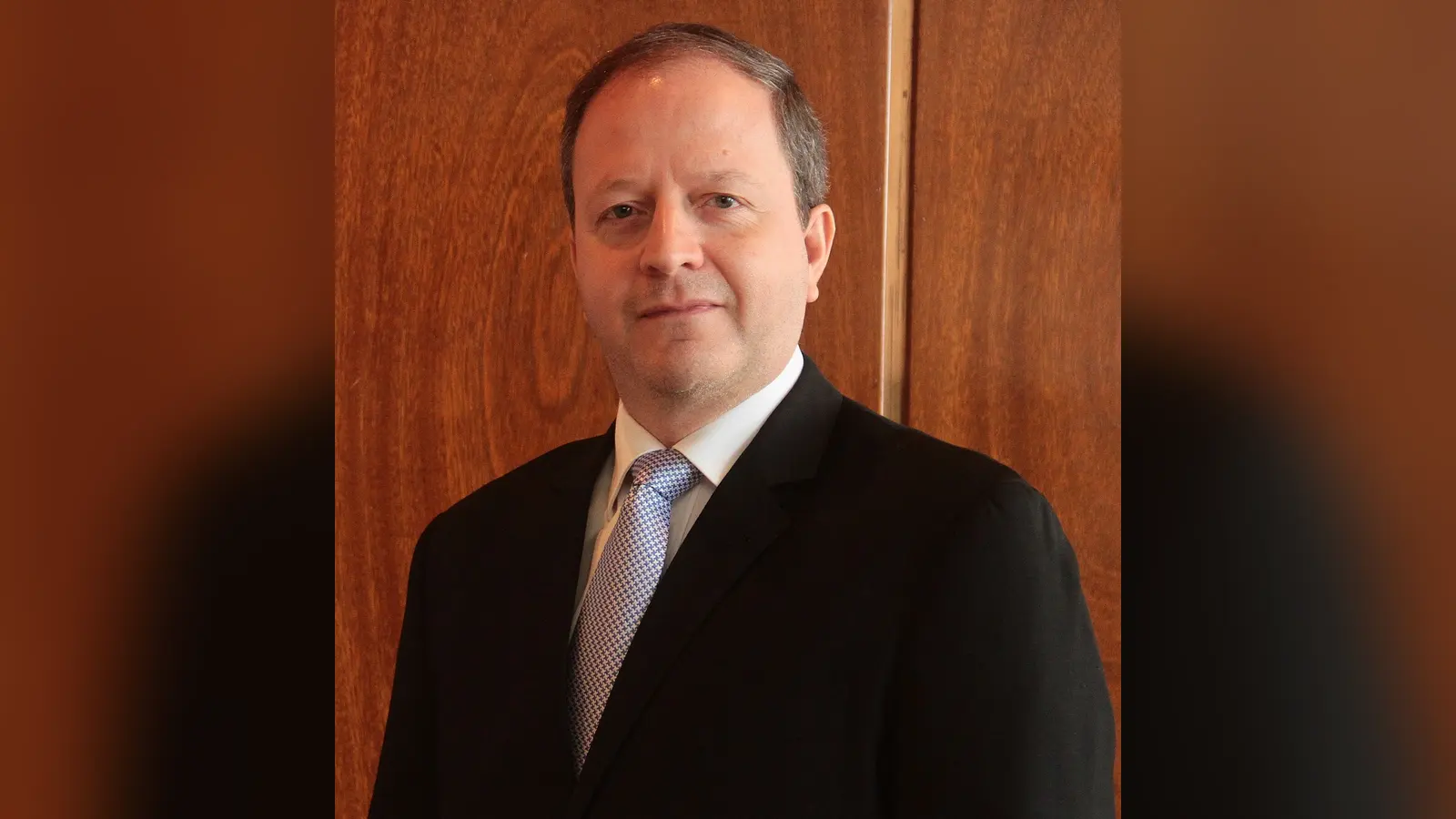
The Superior Council of the Public Prosecution Service considers the decision by the Minister of Internal Administration to withdraw prosecutor Nilton Moniz’s permanent escort 'illegal and abusive', according to a statement published on Saturday. The council announced legal action and accused the minister of encroaching on the powers of the National Director of the National Police.
The Superior Council of the Public Prosecution Service (CSMP) has unanimously rejected the decision by the Minister of Internal Administration to withdraw the permanent physical escort assigned to Public Prosecutor Nilton Moniz. In a statement issued on Saturday by the Attorney General’s Office, the body described the measure as illegal and abusive, called for an immediate return to legality and said it would challenge the decision in court.
The minister took the decision on 23 November, nearly three weeks after the CSMP asked the National Police on 5 November to strengthen the magistrate’s protection in response to 'serious and concerning' threats and rumours of a plan to withdraw his escort. The measure now replaces the escort with emergency contacts and increased surveillance of his home.
The CSMP considers that the minister acted beyond his powers by assuming the role of the National Director of the National Police, who alone is competent to handle the security request submitted in July 2025. It also accuses him of violating the status of public prosecutors by requiring a concrete, current, individualised and corroborated threat, whereas the law requires only the existence of serious security grounds.
The body highlights the prosecutor’s exposure, given that he has investigated and prosecuted complex cases involving transnational organised crime, corruption and money laundering, implicating public figures and judicial police inspectors. It also considers the decision contrary to the principle of equality, as other magistrates, including a judge facing a much lower level of risk, have retained personal protection for years. It sees this as a 'clear attempt at intimidation'.