First experimental Ebola vaccine administered in Bunia
By the AFREEQUE newsroom, based on Actualité.cd
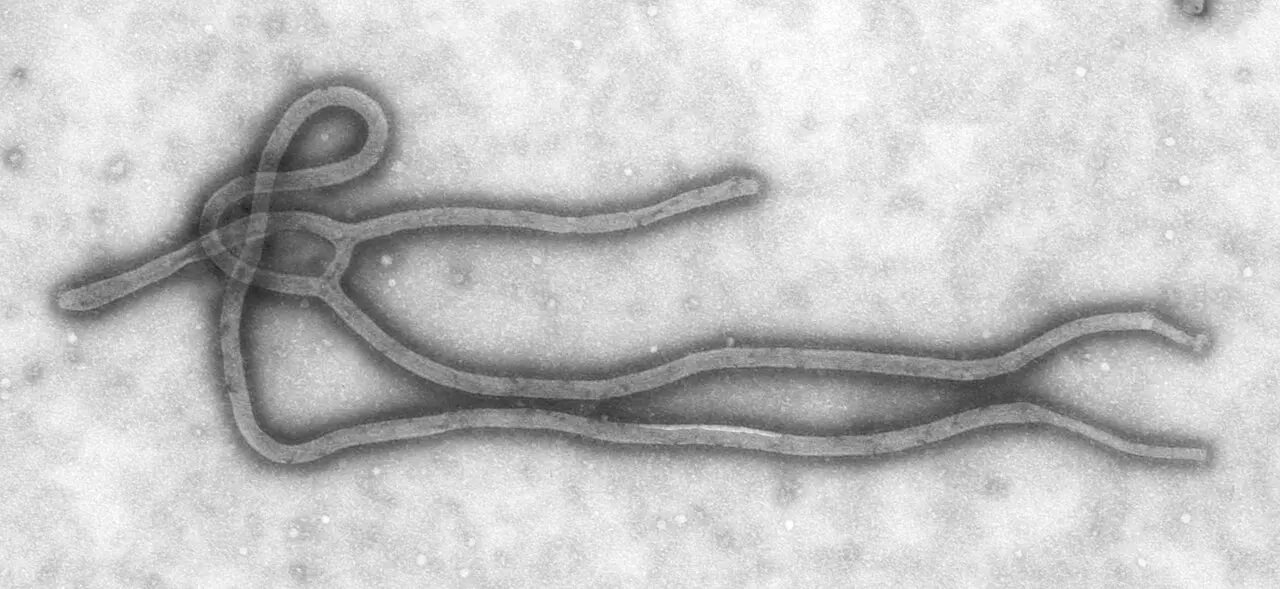
A first participant received the experimental Tumaini trial vaccine against Bundibugyo Ebola virus in Bunia, as the DRC recorded 9,552 cases and 4,602 confirmed deaths by 21 October. The phase 2/3 study will measure the safety, immune response and efficacy of several vaccine candidates, according to study officials.
A first participant received an experimental vaccine against Bundibugyo virus on Friday in Bunia, in the north-east of the Democratic Republic of the Congo (DRC), as part of the Tumaini clinical trial. The phase 2/3 study is intended to assess the safety, immune response and efficacy of several vaccine candidates, according to study officials quoted by Actualité.cd.
The trial comes as the Bundibugyo virus epidemic, declared on 15 May, had caused 9,552 cases and 4,602 deaths in the DRC by 21 October, according to the study sponsors. No vaccine is currently specifically approved against this strain of the Ebola virus.
The Tumaini protocol is based on an adaptive platform that allows several vaccines to be tested simultaneously. The first candidate is Ervebo, already authorised against the Zaire strain of the Ebola virus. Two vaccines developed specifically against Bundibugyo virus, by Moderna and by the University of Oxford with the Serum Institute of India, are due to join the trial shortly with funding from CEPI.
The vaccinations will notably be carried out in “rings”, among contacts and people exposed around cases. The trial is co-led by the DRC’s National Institute for Biomedical Research and the Global Health Institute of the University of Antwerp. The selection of candidates is overseen by a WHO technical group, and protocol adaptations must be approved by ACOREP, the Congolese regulatory authority.
The trial follows a preventive trial in Ituri, launched on 3 October, and comes after the epidemic spread to Nigeria and Kenya, reported on 22 October.