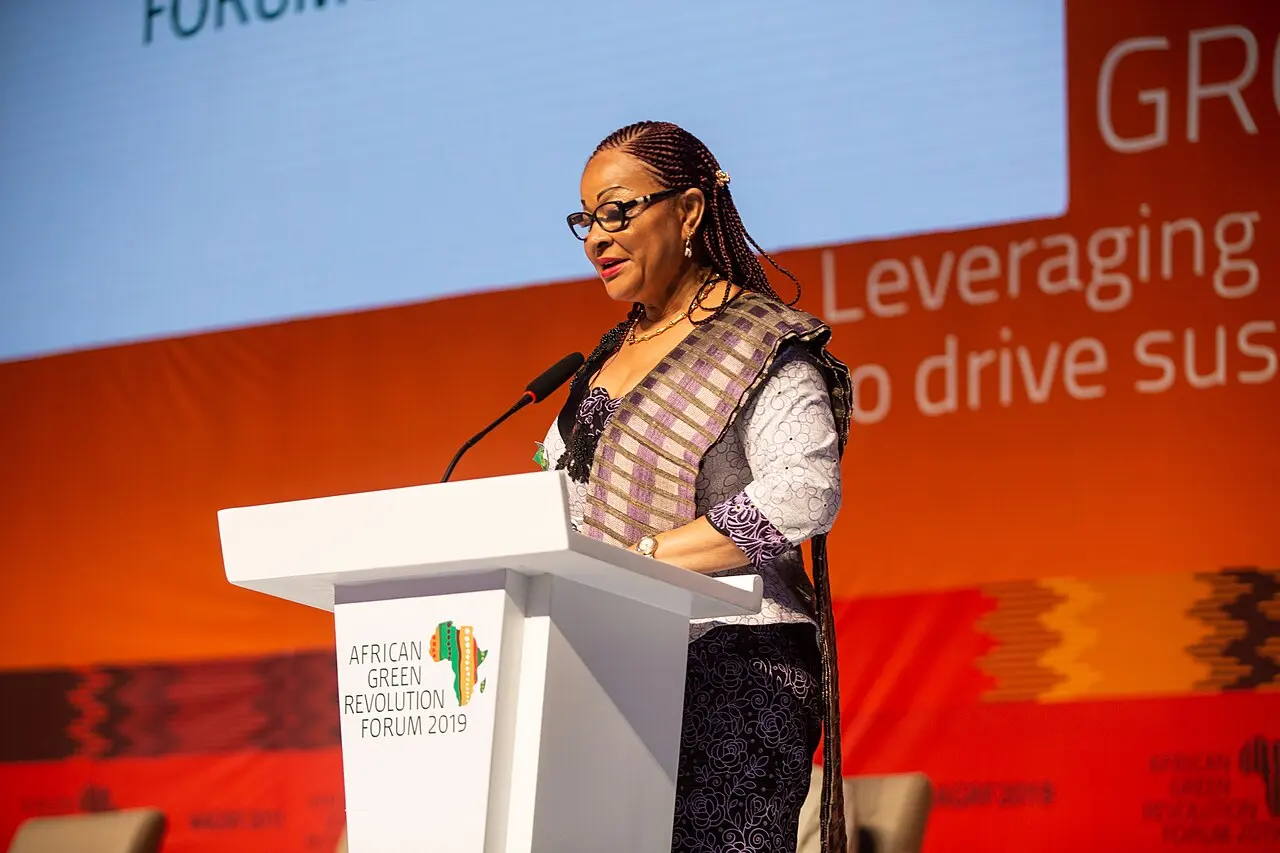
Angola has officially put forward its diplomat Josefa Leonel Correia Sacko for leadership of the Food and Agriculture Organization of the United Nations for the 2027-2031 term. Backed by the Southern African Development Community and the African Union, she will face a vote scheduled for summer 2027, reports Mercado.
The International Monetary Fund forecasts 4.4% growth for Angola in 2026, after 3.1% in 2025, while inflation is expected to fall to 10.6%. The economies of Cape Verde, Guinea-Bissau and Mozambique are also expected to follow distinct trajectories, according to IMF projections.
Angola and Portugal want to deepen economic cooperation, training and priority sectors under the next Strategic Cooperation Programme for 2027-2031. The current programme has already mobilised €70 million in implementation and €187 million in credit, according to Mercado.
Angola is presenting its priorities on development financing, private capital mobilisation and international financial cooperation at the annual IMF and World Bank meetings. The delegation is led by Secretary of State for Planning Luís Epalanga, from 12 to 18 October in Bangkok, according to Jornal F8.
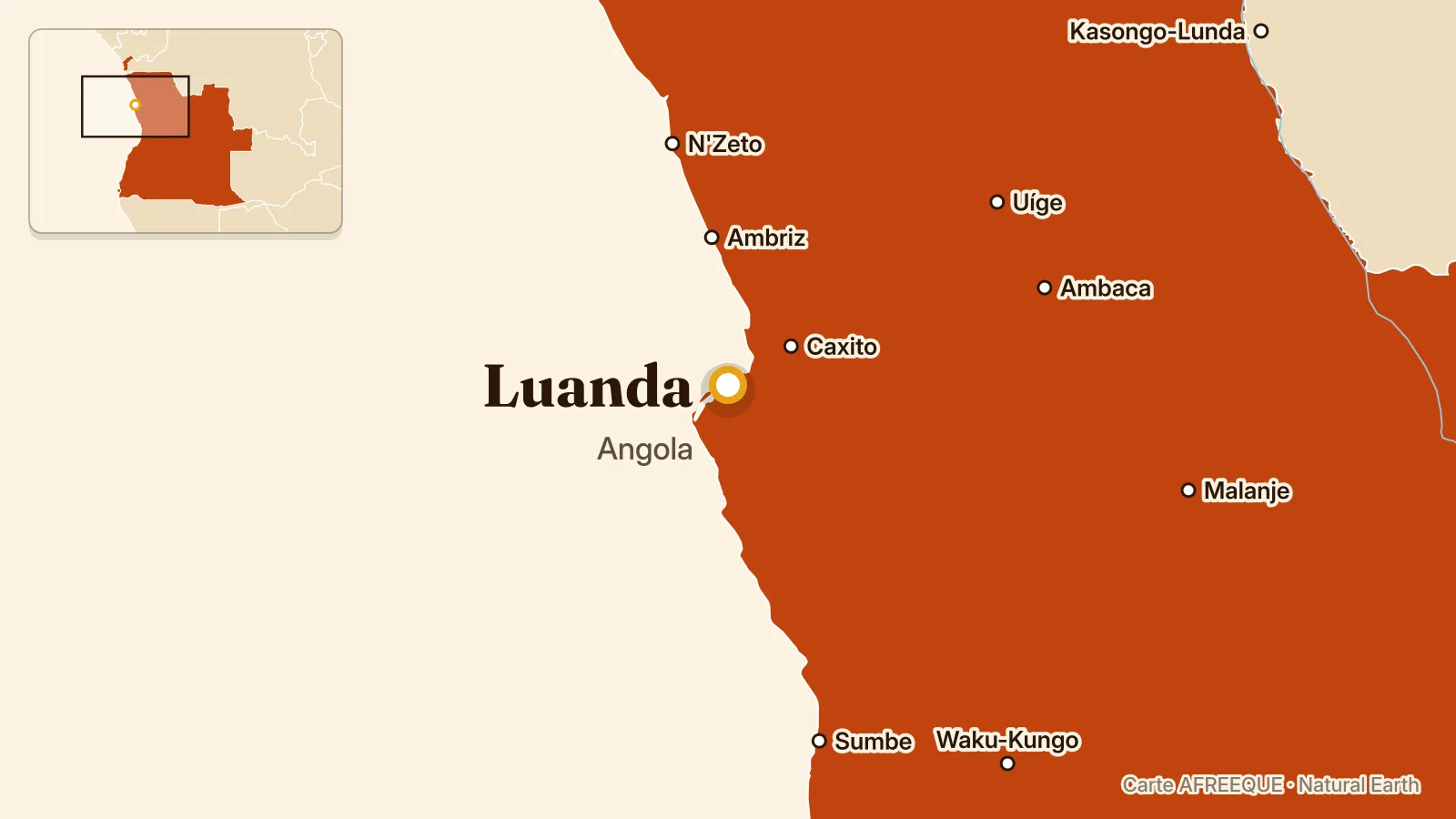
DP World will invest $90 million over two years to expand its multipurpose terminal at the Port of Luanda in Angola. The quay will reach 830 metres and capacity will rise from 500,000 to 1.2 million containers, while the concession is extended to 2051, according to Mercado.
The ADECO consumer association is asking the government to limit the impact of rising fuel prices on purchasing power and business costs. It proposes targeted tax benefits for productive sectors, electricity and public transport, Expresso das Ilhas reports.
Twenty-four Angolan public bodies spent about 3.8 trillion kwanzas more than planned in 2025, according to Expansão calculations based on state accounts. The total overrun rose by 58% in a year, with the Ministry of Energy and Water topping the list after spending nearly 2 trillion kwanzas.
The average price of a basket of 22 food products rose by 10.1% in informal markets and 4.1% in formal outlets in Angola between January and September. The informal-market basket increased from 124,892 to 137,478 kwanzas, according to Expansão, based on its surveys and National Institute of Statistics data.
Dr. António Agostinho Neto International Airport in Angola recorded 12,310 aircraft movements between January and August 2026, approximately 29% more than in the whole of 2025. Since beginning operations in November 2023, it has recorded a total of 22,818 movements, according to data reported by Mercado.
Jaime Miguel Ferreira Carneiro, chief executive of TAAG, Angola’s national airline, has been elected president of the Airlines Association of Southern Africa. His 2026-2027 term is expected to strengthen regional connectivity and promote more affordable fares, according to Mercado.
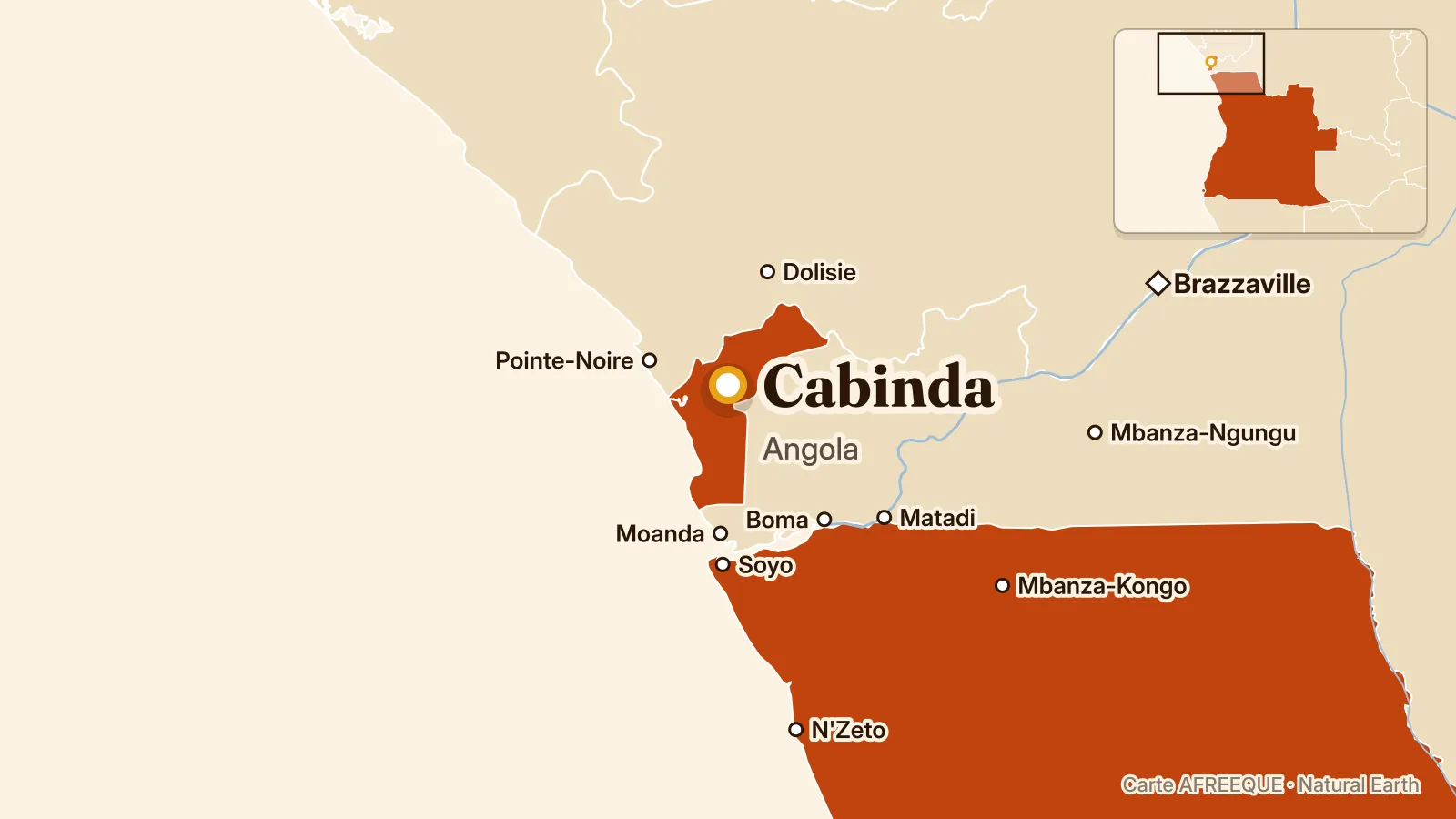
In an opinion piece, Osvaldo Franque Buela argues that supporters of Cabinda’s independence should abandon militant rhetoric in favour of a political strategy. He criticises João Lourenço’s Angolan government and the MPLA, which he accuses of consolidating the territory’s security and political control, according to Jornal F8.
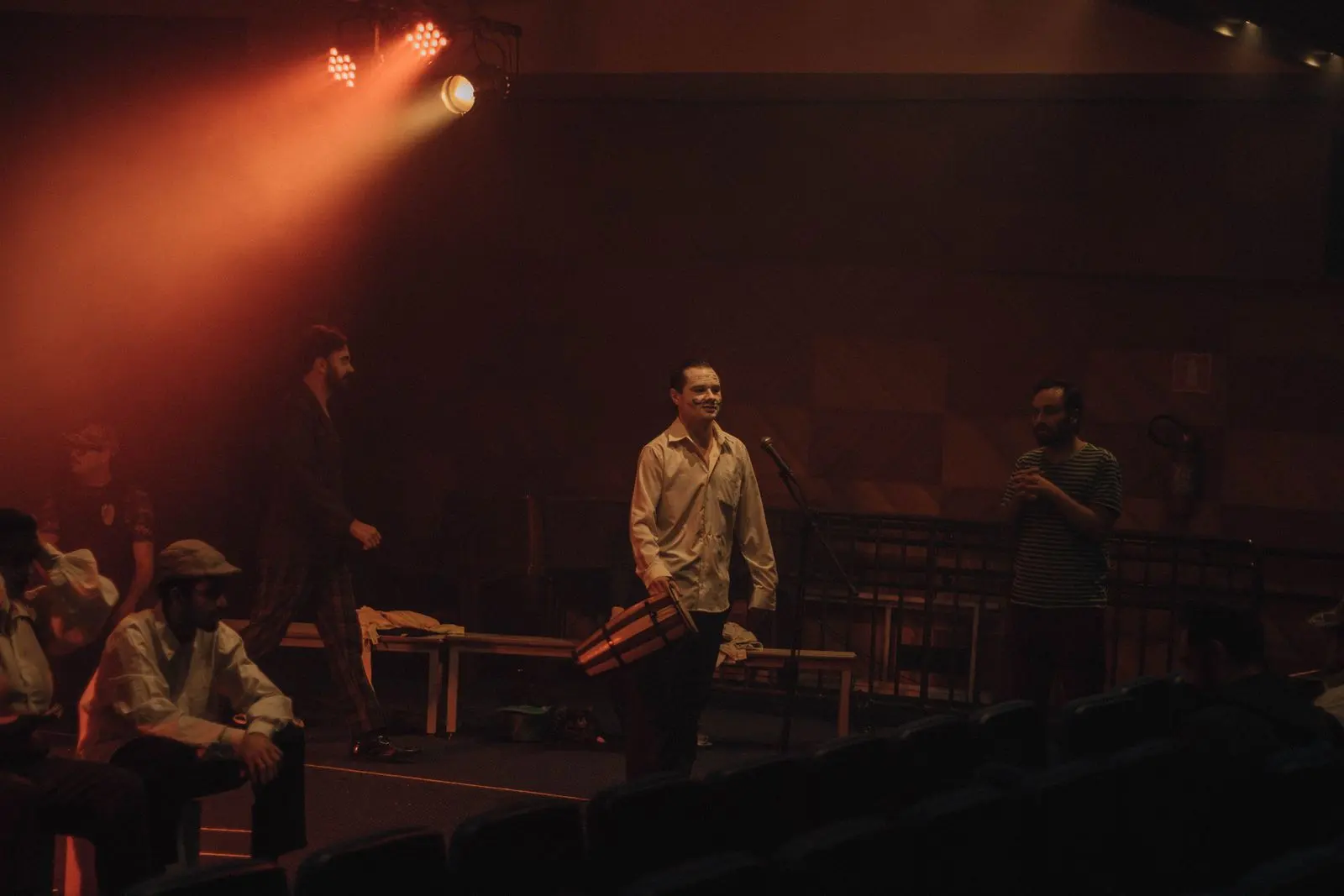
An Angolan actress with 24 years of experience says theatre and audiovisual creation continue despite limited support from the Ministry of Culture. She is taking part in the “A Grande Família Angolana” project, whose phone-shot content is broadcast on TikTok, according to Expansão.
Angola ranks 105th out of 110 countries in the 2026 Travel and Tourism Development Index, scoring 3.18 out of 7. The country is five places ahead of Mali and has improved its score since 2024, but remains among the ten worst performers, according to Expansão.
Angola’s Ministry of Higher Education has not published the official list of authorised institutions and courses for two years, while 104 institutions featured in the latest edition. An assessment conducted in 2025 led to the closure of more than half of the courses, which cannot admit new students until they meet the required standards, reports Expansão.
Supermarkets and markets in Luanda continue to sell ultra-light bags, straws, cotton buds and plastic stirrers banned by Presidential Decree 170/2025. The phased removal of other single-use products is due to be completed in September 2028, according to Expansão.
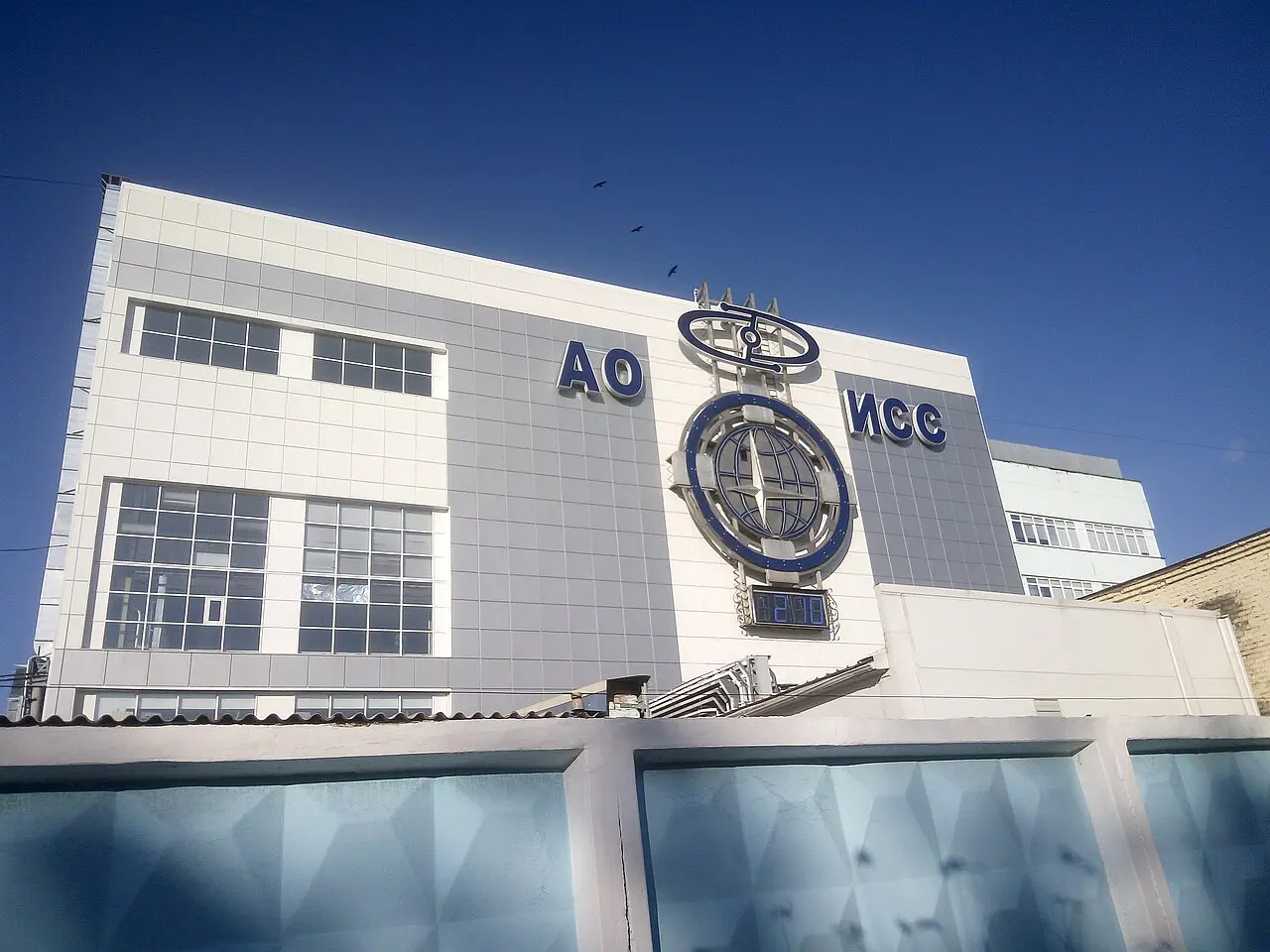
After the loss of AngoSat-1 in 2018, Russia supplied Angola with a replacement satellite, AngoSat-2, launched on 12 October 2022, around two years later than the announced deadline. The spacecraft, built by Russian company ISS Reshetnev, is now active, Reuters reports.
Annual inflation in Angola slowed to 8.43% in September, after falling by 0.36 percentage points from August. Prices are nevertheless continuing to rise, particularly in education, where they increased by 18.53%, according to Expansão’s calculations based on the national price index published by the National Institute of Statistics.
Angola’s external public debt stands between $52.8 billion and $54.3 billion, while creditors linked to London hold about $19.13 billion, or 35.26% of the total. This shift rests in part on British bank loans and trade guarantees financing energy, water and infrastructure, according to Mercado.