Cape Verde and Angola laws go beyond São Tomé’s plastic bag ban
By the AFREEQUE newsroom, based on Téla Nón
 Illustrative image · Engin Akyurt · Pexels · Licence Pexels
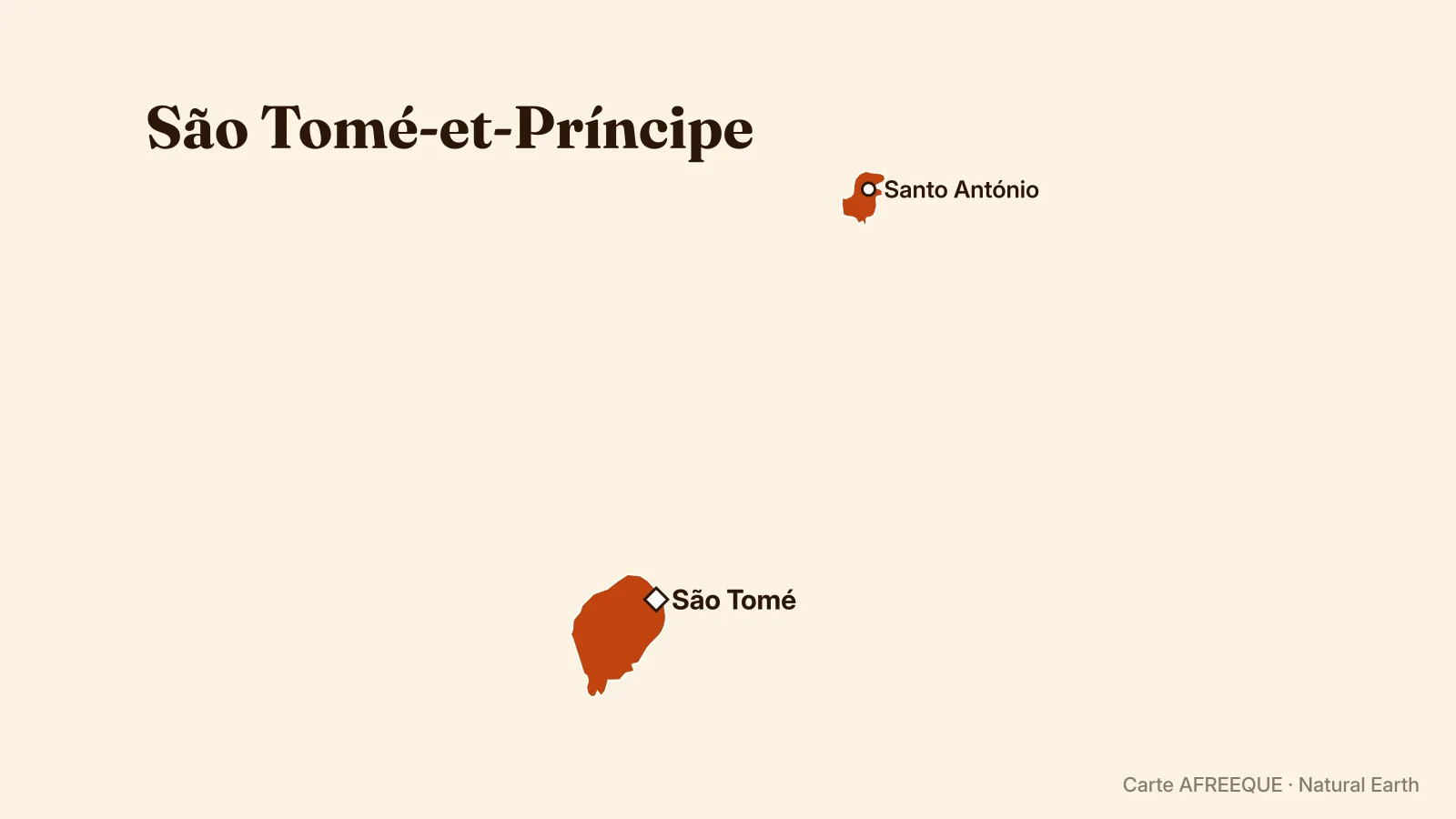
An analysis compares São Tomé and Príncipe’s law, which notably bans the production and free distribution of plastic bags, with broader regulations adopted in Cape Verde and Angola. The Cape Verdean and Angolan laws extend restrictions to various single-use plastics, with phased implementation in Angola, according to Téla Nón.
The laws of Cape Verde and Angola regulate more single-use plastic products than São Tomé and Príncipe’s law, according to a comparison published by Téla Nón. The analysis recommends gradually extending São Tomé’s ban, currently focused on plastic bags, to disposable cups and cutlery.
Cape Verde’s law of December 2024 covers single-use plastic products, including cups and cutlery. In Angola, a presidential decree of 22 September 2025 provides for a phased ban: after 12 months, it applies in particular to bags under 50 microns, straws and plastic-stem cotton buds; after 36 months, it also covers items including polystyrene cups, non-recyclable plates, cutlery and PET bottles of less than 500 millilitres.
In São Tomé and Príncipe, Law No. 8/2020 generally prohibits the production, import, sale and free distribution of plastic bags. The publication says that any gradual extension should be preceded by an assessment of the country’s socio-economic realities and the availability of sustainable alternatives.
The São Toméan law already provides for the government to introduce economic and administrative incentives for private investment in alternative products. The comparison with Cape Verde highlights the role of these alternatives and incentives for their import in implementing restrictions.