Burundi’s CVR documents discrimination before and after 1972
By the AFREEQUE newsroom, based on Iwacu Burundi
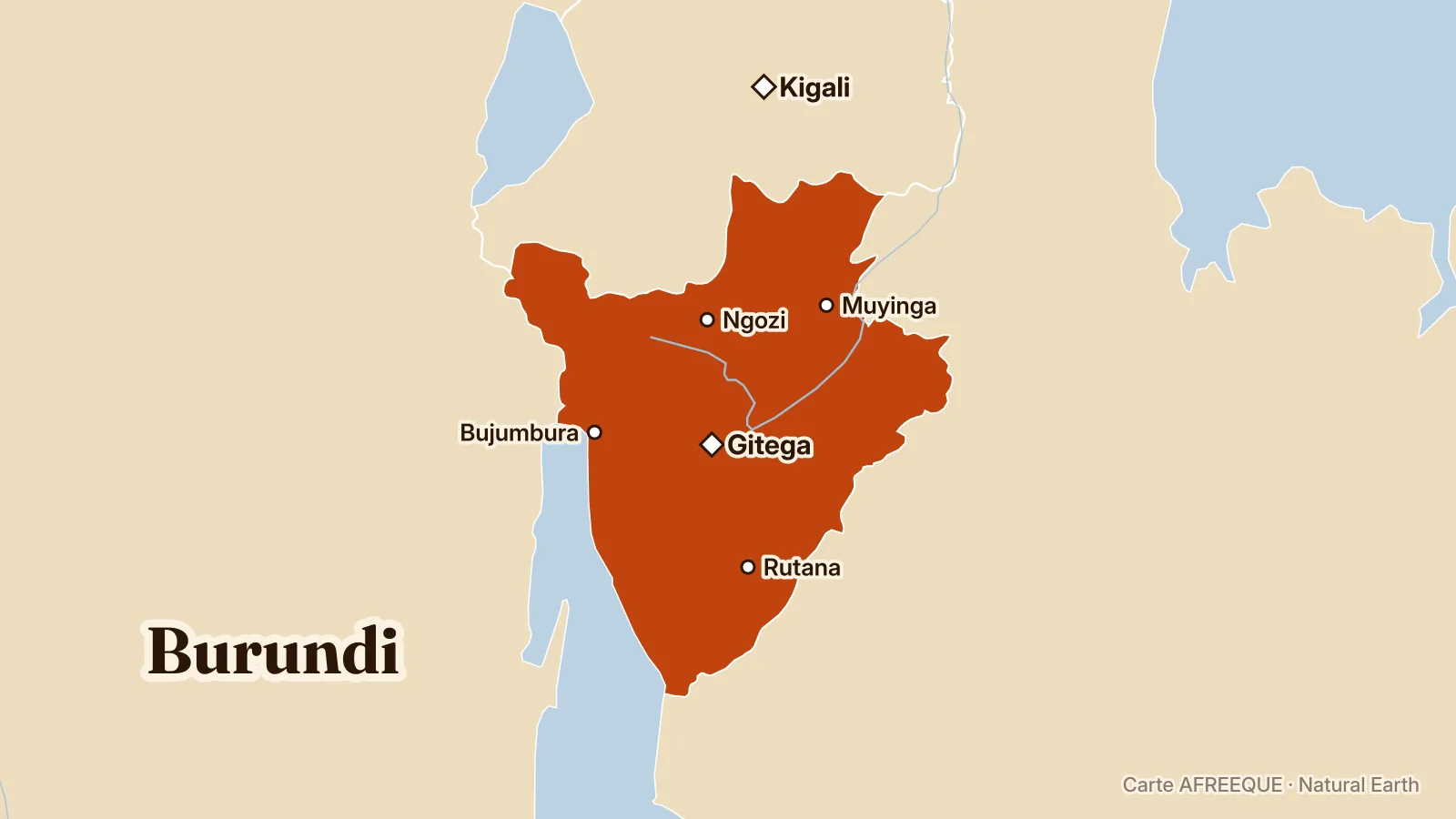
Burundi’s Truth and Reconciliation Commission presented in Gitega the exclusions and discrimination that marked the country before and after 1972. During a workshop held from 16 to 17 October 2026, victims, former officials and young leaders from nine communes examined the historical roots of these practices, according to the CVR.
Burundi’s Truth and Reconciliation Commission (CVR) presented discriminatory practices and exclusions that marked the country before and after 1972, at a workshop held in Gitega from 16 to 17 October 2026, Iwacu reports. Victims, former officials and young leaders from nine communes in the province took part. CVR president Pierre-Claver Ndayicariye said the initiative aimed to draw a lesson from the past to prevent such violence from recurring.
Commissioners Stella Budiriganya and Laurent Kavakure described the influence of racial theories introduced by missionaries at the beginning of the 20th century and reinforced, they said, by the Belgian colonial policy of “divide and rule”. They notably presented the colonial school system and the Astrida School Group as instruments of stratification that allegedly granted educational privileges to a minority at the expense of the Bahutu, Batwa and women.
Laurent Kavakure said exclusions continued after Burundi’s independence, notably in education, the judiciary, the administration and the security forces. He also mentioned the secret marking of pupils’ examination papers with the letters “i” and “u” in schools in Kirundo and Rumonge, a practice that allegedly served to steer pupils and limit Hutu access to secondary education.
Participants also discussed regionalism under successive regimes. The discussions brought together people affected by these discriminations, former officials and young representatives from nine communes in Gitega.