58% of Namibia’s economic recovery directives stalled
By the AFREEQUE newsroom, based on Windhoek Observer
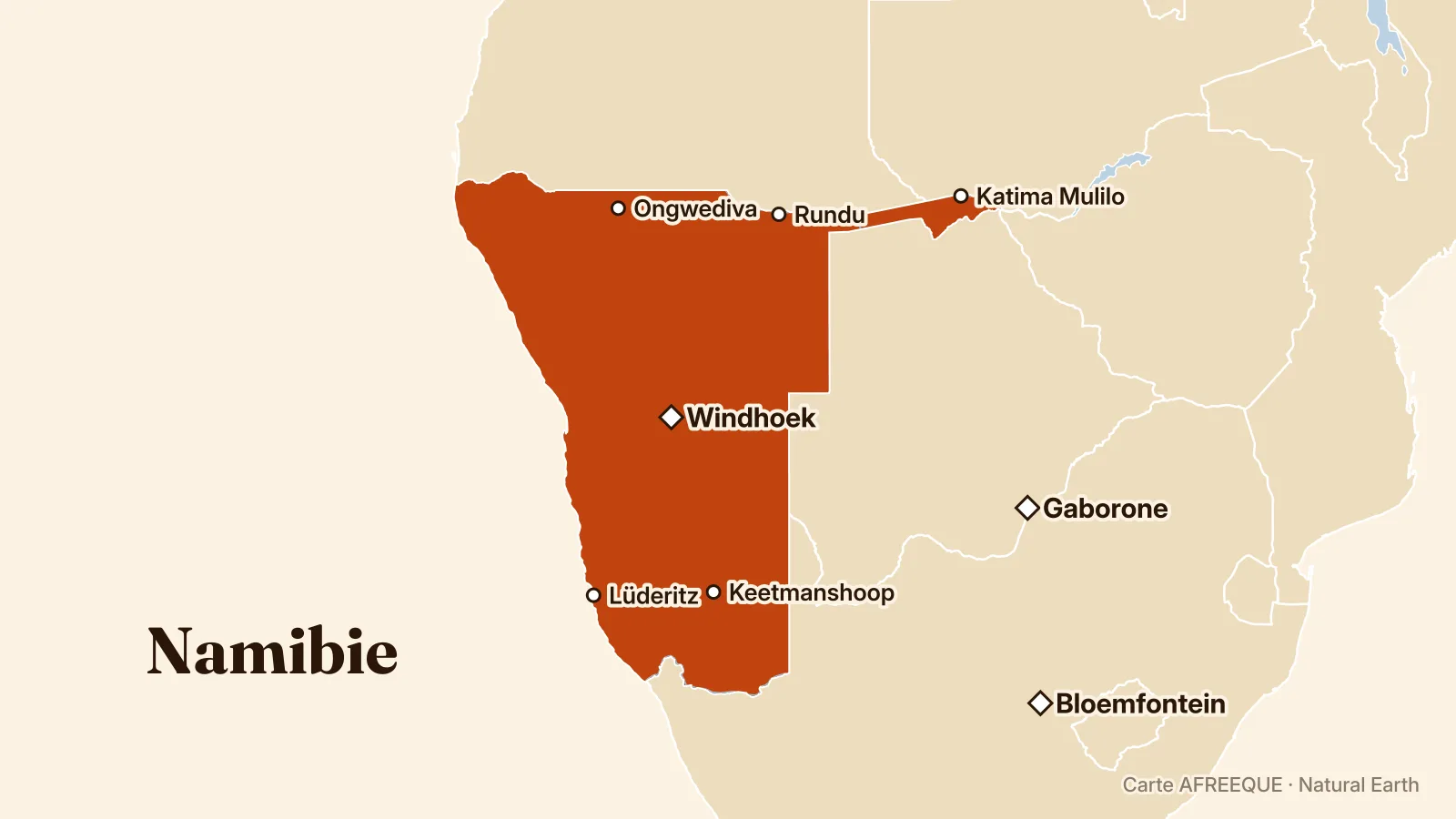
A report on economic recovery presented at Windhoek’s second public-private forum says that three of 17 presidential directives are on track and 58% are stalled. The five-year employment permit for investors, gazetted on 24 July and in force since September, is among the completed reforms, according to the Windhoek Observer.
Namibia has recorded delays affecting 58% of the 17 presidential directives devoted to economic recovery, according to a progress report presented on Wednesday 25 November by I-Ben Nashandi, executive director of the National Planning Commission (NPC), at the second Namibia Public-Private Forum in Windhoek.
Three directives, or 18% of the total, are considered to be on track. Four others, representing 24%, are progressing despite implementation difficulties. The overall economic recovery portfolio received a red rating, calling for Cabinet intervention and better coordination between ministries, according to the Economic Recovery Task Force (ERTF) report.
Measures completed include the introduction of a five-year work permit for qualifying investors. Published in the Government Gazette on 24 July 2026, the measure came into force in September. The government has also tabled the Investment Bill and introduced a corporate tax rate of 20% for micro, small and medium-sized enterprises. A one-stop business registration centre has been operating since January 2026 at the premises of the Namibia Investment Promotion and Development Board (NIPDB) and the Business and Intellectual Property Authority (BIPA). It brings together representatives from 15 government departments and agencies.
Several initiatives nevertheless remain stalled. The digitisation of student and employment permits has not been implemented, while the Migration Bill is still awaiting adoption following public consultations held in June 2026. The one-stop centre also needs to improve its coordination and digital tools to become more efficient.
The assessment was presented at the second Namibia Public-Private Forum, which focused on reviewing 34 commitments. On 22 October, Namibia had also reviewed the implementation of 8.5 billion Namibian dollars in investments.