Namibia aims to produce 80% of its food by 2030
By the AFREEQUE newsroom, based on The Namibian

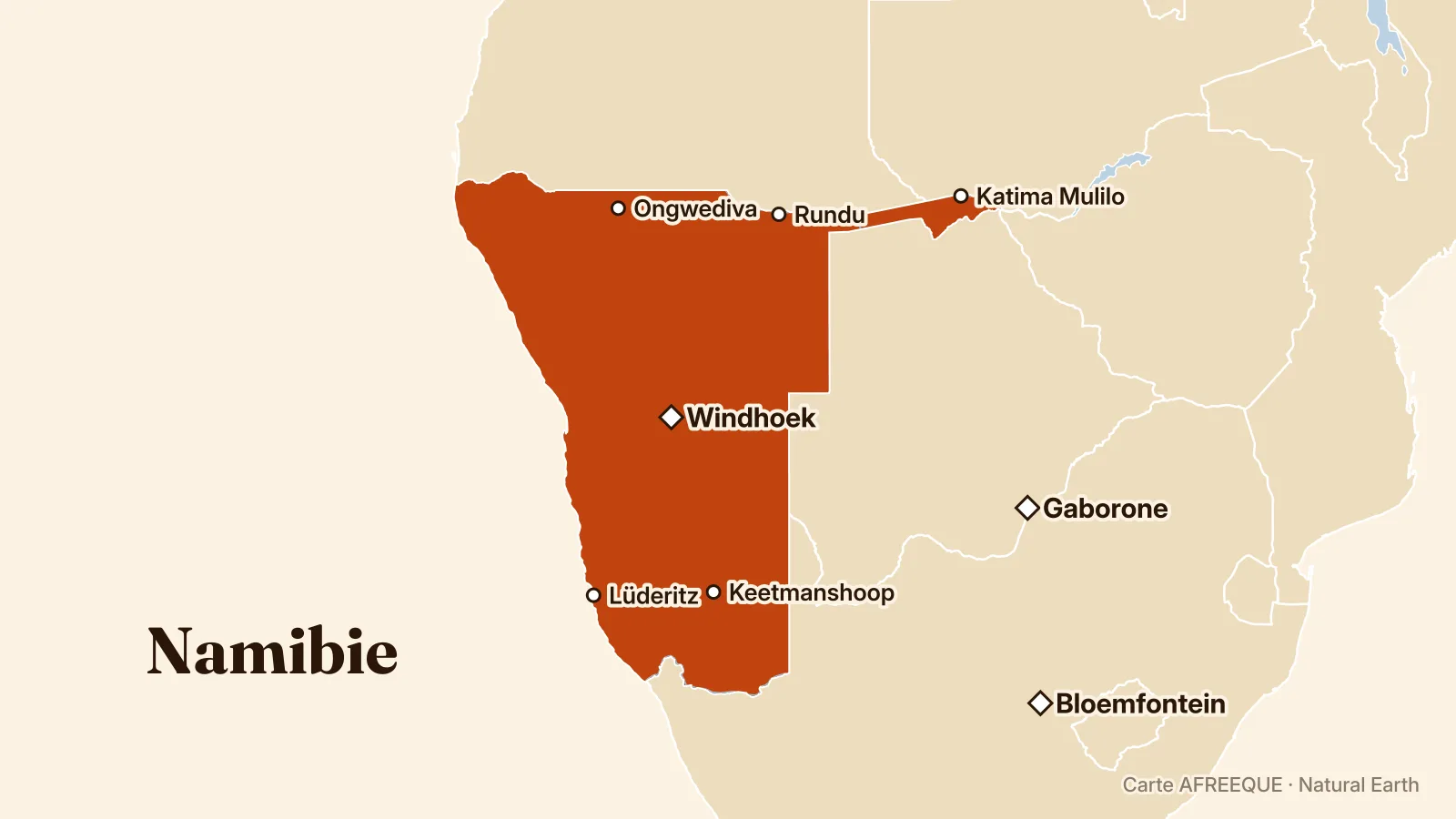
Namibia aims to produce 80% of its food requirements by 2030, Prime Minister Elijah Ngurare said during a visit to Stampriet, Namibia. The local school project has already supplied more than 3,300 kg of fresh vegetables and eggs for pupils' meals, The Namibian reports.
Namibian Prime Minister Elijah Ngurare called on ministries to incorporate local food production initiatives into their programmes and budgets to help achieve the national target of meeting 80% of the country’s food needs with locally produced goods by 2030. He was speaking on Friday during a visit to the Stampriet Integrated Food Systems project in the Hardap region, according to Namibian daily The Namibian.
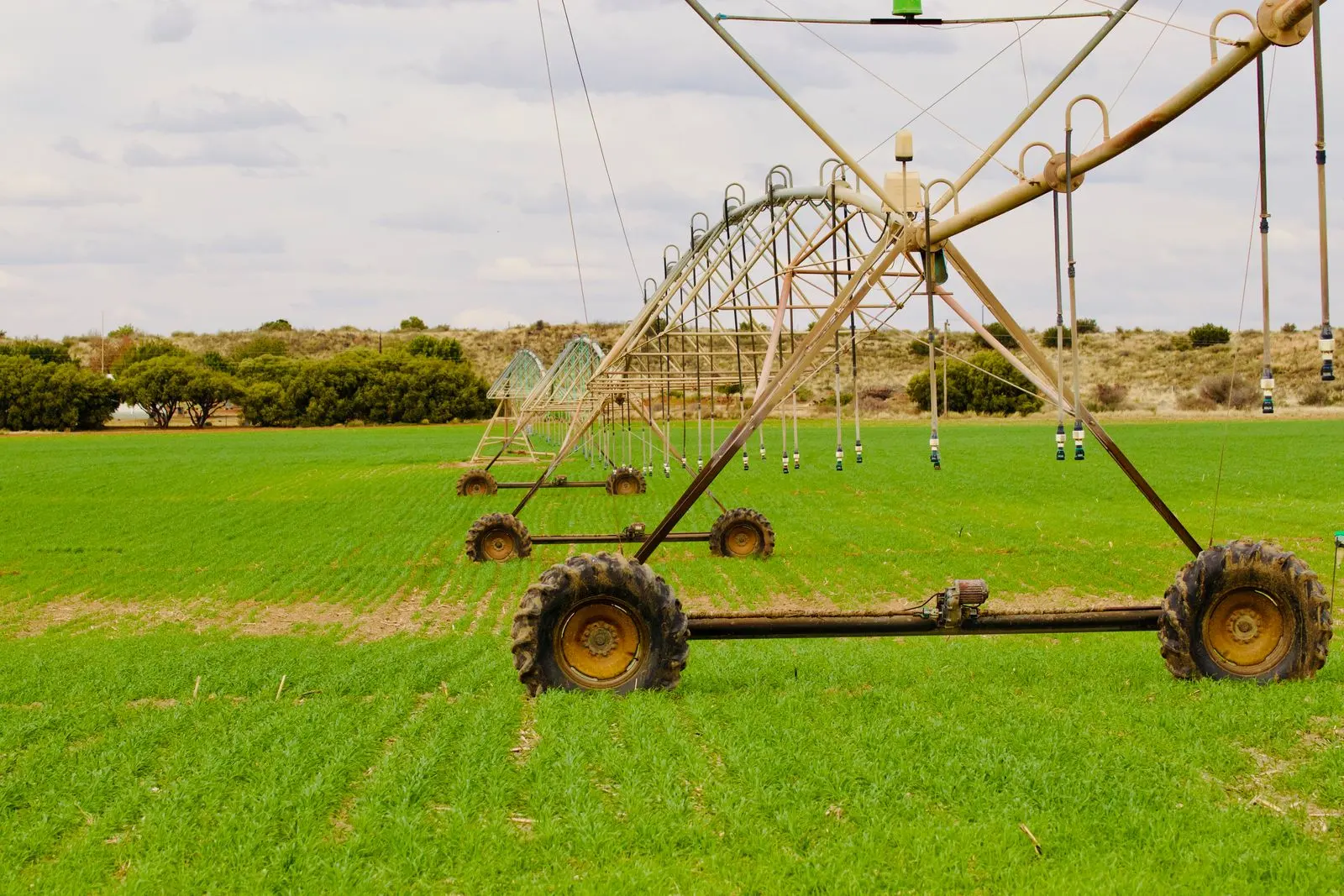
The school associated with the project grows vegetables and raises poultry, whose eggs are included in meals served to pupils during the mid-morning break. More than 3,300 kg of fresh vegetables and eggs have already been delivered to the school feeding programme. Elijah Ngurare believes these initiatives should combine agricultural production, education and nutrition to improve children’s diets and support their learning.
The World Food Programme (WFP), the United Nations agency responsible for food assistance, provides the project with technical assistance, agricultural inputs and training through funding from Brazil. Since 2021, the organisation has supported five integrated food production sites in schools and health facilities in the regions of Hardap, Omaheke, Otjozondjupa, Kunene and Ohangwena. Produce from the health facilities supplies, among other things, community kitchens serving pregnant and breastfeeding women, as well as people living with HIV or tuberculosis.
WFP’s head of office in Namibia, James King’ori, said the organisation also supports the national school feeding programme based on local production in 29 institutions across seven regions. The scheme benefits more than 13,000 pupils. Elijah Ngurare called on the relevant administrations to coordinate their activities, stressing that the sustainability of these projects also depends on the involvement of local communities and the reinvestment of the resources generated.