URGENT
🇳🇦 NamibiaBusiness

Pricing algorithms can drive up prices

By , based on Windhoek Observer

Pricing algorithms can drive up pricesIllustrative image · Sagar Soneji · Pexels · Licence Pexels

Research presented in Windhoek shows that pricing algorithms can encourage higher prices and reduce benefits for consumers. A study of German petrol stations found price increases of 9% in non-monopoly markets and 28% in duopolies, according to Windhoek Observer.

Pricing algorithms can lead to higher prices and reduce benefits for consumers, according to research presented at the 2026 Advancing Competition in Africa Biennial Conference, held in Windhoek. Professor Thomas K. Cheng of the University of Hong Kong examined in particular the risks to competition when companies use automated systems to maintain high prices without direct agreement between competitors, reports the Windhoek Observer.

A 2024 study by Assad and other researchers found that the use of pricing algorithms in fuel distribution in Germany was associated with prices 9% higher in non-monopoly markets and 28% higher in duopoly markets. In over-the-counter medicine sales, a study by Brown and MacKay published in 2023 found a 9.6% increase in the profits of the five major retailers studied, while consumers’ economic benefit declined by 4.1%.

Thomas K. Cheng distinguishes three forms of algorithmic collusion. Facilitating collusion involves using software to implement and monitor an existing price agreement, as in the United States v. Topkins case involving poster sellers on Amazon Marketplace. Coordinating collusion relies on a shared third-party algorithm that collects confidential pricing information and centralises pricing decisions, a mechanism challenged in legal proceedings concerning the US rental market.

The third form, known as autonomous collusion, occurs when a learning-capable algorithm independently identifies that it is more profitable to maintain high prices through tacit coordination than to compete. Cheng believes these mechanisms make it more difficult for competition authorities to identify and address anti-competitive practices.
Share this article

Related stories

Air Algérie opens summer 2027 bookings from 22,929 DZD

Air Algérie has opened bookings for flights from June to August 2027, with a Paris-Algiers return fare recorded at 426.58 euros in early July. Fares, recorded on 12 November 2026 and including taxes, vary according to routes and may change with demand, according to Algérie360.

🇩🇿 Algeria · Source: Algérie 360 ·

Namibian president investigates medicine shortages

Namibian President Netumbo Nandi-Ndaitwah is investigating complaints about medicine shortages in hospitals and clinics. She is particularly questioning possible deliberate disruption of the supply chain, as stocks at the Central Medical Stores remained below set targets, according to Windhoek Observer.

🇳🇦 Namibia · Source: Windhoek Observer ·

Namibian electoral commission calls for elections without fear or favour

Namibian Electoral Commission chairperson Gerson Sindano called for fair and transparent elections at the opening of an electoral risk management workshop in Windhoek. He based his remarks on problems recorded in 2024, notably ballot shortages and faulty verification equipment, according to the Windhoek Observer.

🇳🇦 Namibia · Source: Windhoek Observer ·

Namibian Stock Exchange gains 0.54% in week to 30 October

The Namibian Stock Exchange’s local index rose 0.54% in the week ending 30 October 2026 to 904.18 points, while the Johannesburg Stock Exchange’s All Share Index fell 0.37%. The Namibian Overall Index gained 1.48% and the local market’s average dividend yield stood at 9.85%, according to the Windhoek Observer.

🇳🇦 Namibia · Source: Windhoek Observer ·

🇳🇦 Latest from Namibia

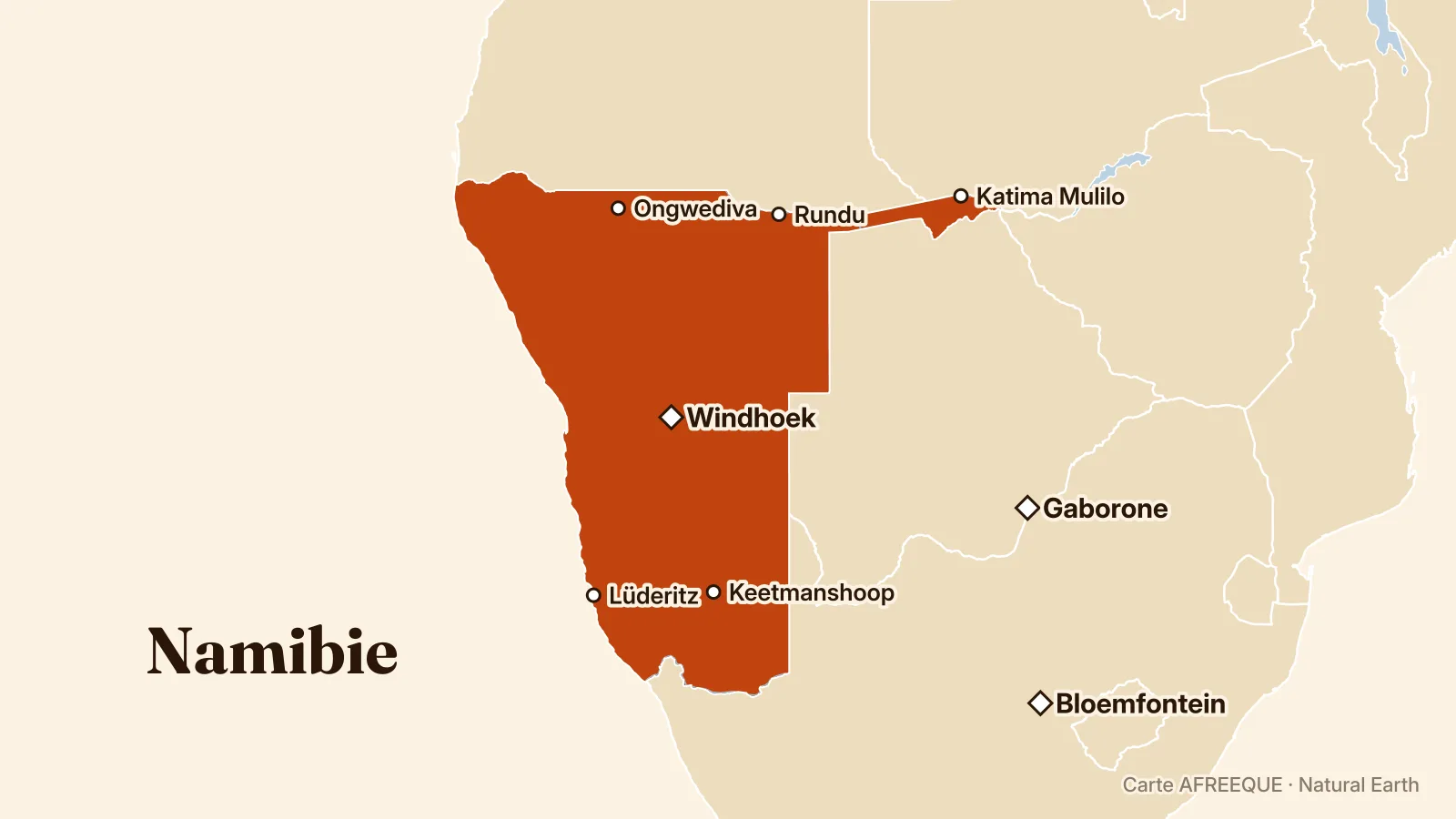
Map: NamibiaLions kill four calves in Kabbe South, NamibiaThe Kabbe South conservancy in Namibia is counting its losses after four calves were killed by lions. The toll concerns livestock in the area, according to Namibian daily New Era.All Namibia news →

Business in Southern Africa

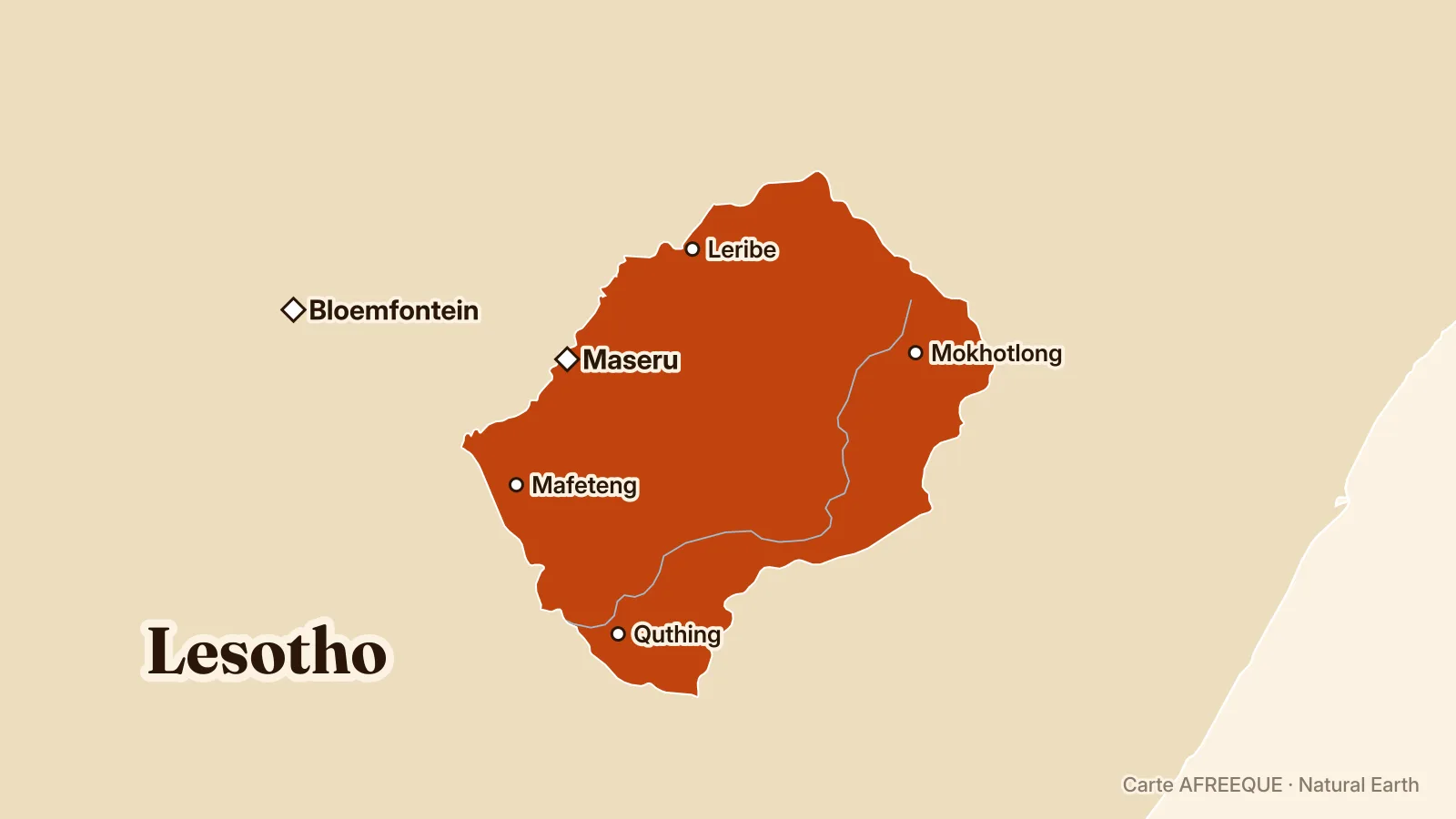
Map: LesothoLesotho sues to recover lost Belo project fundsLesotho’s Ministry of Energy and Mines has launched legal proceedings after finding that the former contractor for the Belo electrification project had received improper payments, principal secretary Tankiso Phapano said. Supervisory officials have been suspended and the state is seeking to quantify and recover the lost funds, according to minister Lejone Mpotjoane, cited by Public Eye.All Business news →

The week in Africa

This week’s highlights

  1. SADC prepares regional plan against Ebola🇨🇩 DR Congo
  2. Ukraine: Witkoff and Kushner meet Putin in Moscow🇷🇺 Russia
  3. Kenya secures 293,600 jobs in Saudi Arabia🇰🇪 Kenya
  4. Dangote wants to process 500,000 tonnes of cocoa in Ghana🇬🇭 Ghana
  5. Trump threatens Iran with destruction after attack🇺🇸 United States
All of this week’s highlights →

Africa in your inbox

Be the first to get our letter in English: the essentials from every region of the continent, free.

Free · one email a week · unsubscribe in one click. Your address is only used to send you the letter, never sold. Personal data

← Back to the news