Tanzania targets 15,000 MW of electricity capacity by 2031
By the AFREEQUE newsroom, based on Infomediaire
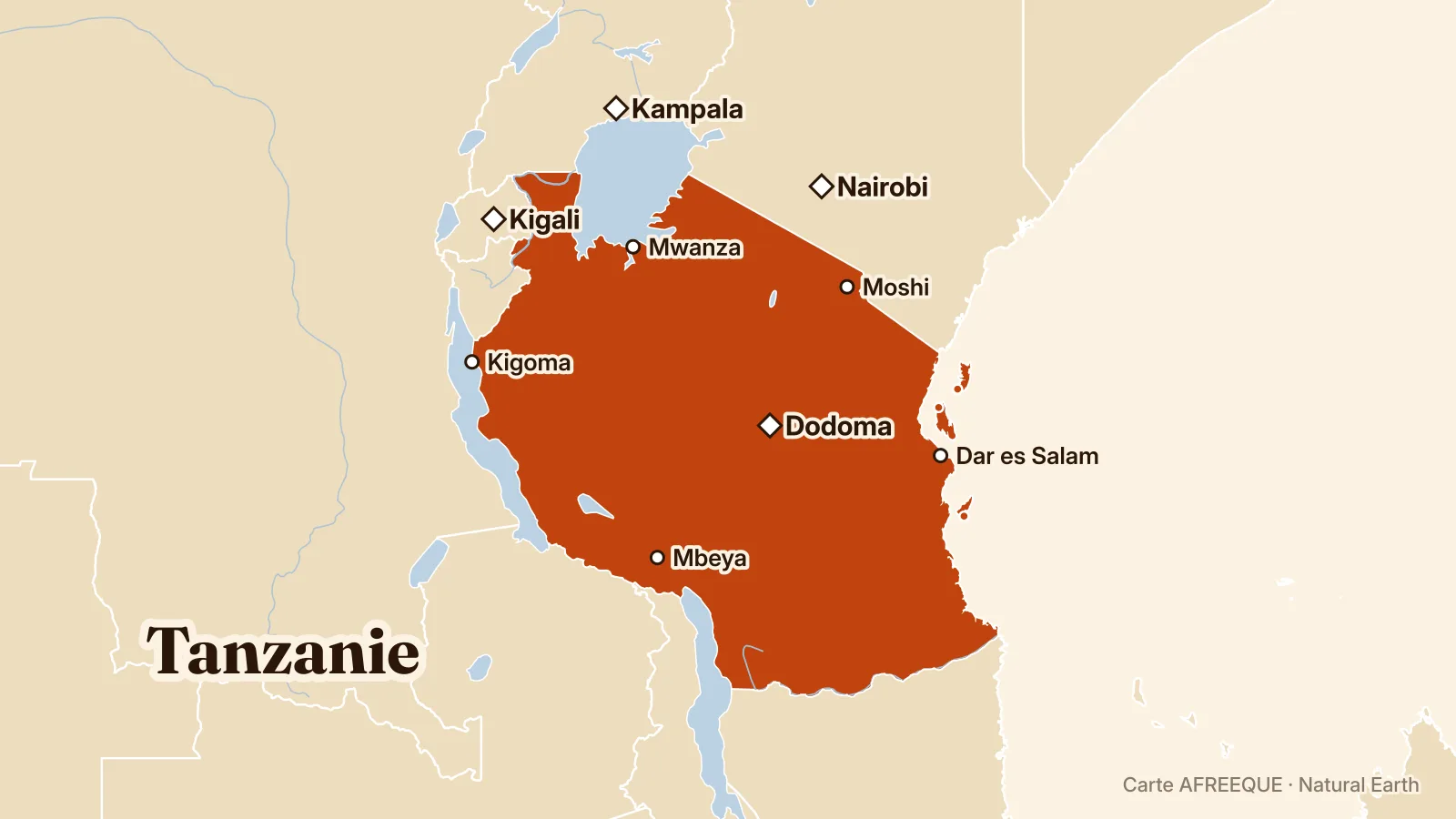
Tanzania aims for 15,000 megawatts of electricity generation capacity by 2031, up from 4,646 MW today, according to Energy Minister Juma Homera. The Julius Nyerere dam on the Rufiji, inaugurated in August 2026 with 2,115 MW installed, is expected in particular to attract energy-intensive industries, according to figures relayed by MAP.
Tanzania aims for 15,000 megawatts of electricity generation capacity by 2031, up from 4,646 MW today, according to Energy Minister Juma Homera, as relayed by the Moroccan agency MAP. The government wants to secure supply in the face of rising industrial demand.
The Julius Nyerere hydroelectric plant, built on the Rufiji River and inaugurated in August 2026, alone totals 2,115 MW, or nearly 46% of the country's current capacity. The minister puts peak demand at 2,271 MW, roughly half of this installed capacity. The power actually available, however, depends on the availability of power plants and the capacity of the grid to carry electricity.
The country also plans to broaden its electricity mix with the Kishapu solar plant, with a planned capacity of 100 MW, and wind projects in the Manyoni and Nzega districts. To reach 15,000 MW, it will need to add more than 10,000 MW to current capacity. The announcement is part of the effort to extend the grid, following the acceleration of power lines to Tunduru announced on 26 October.