Severe malaria can leave cognitive effects in children
By the AFREEQUE newsroom, based on 24heureinfo
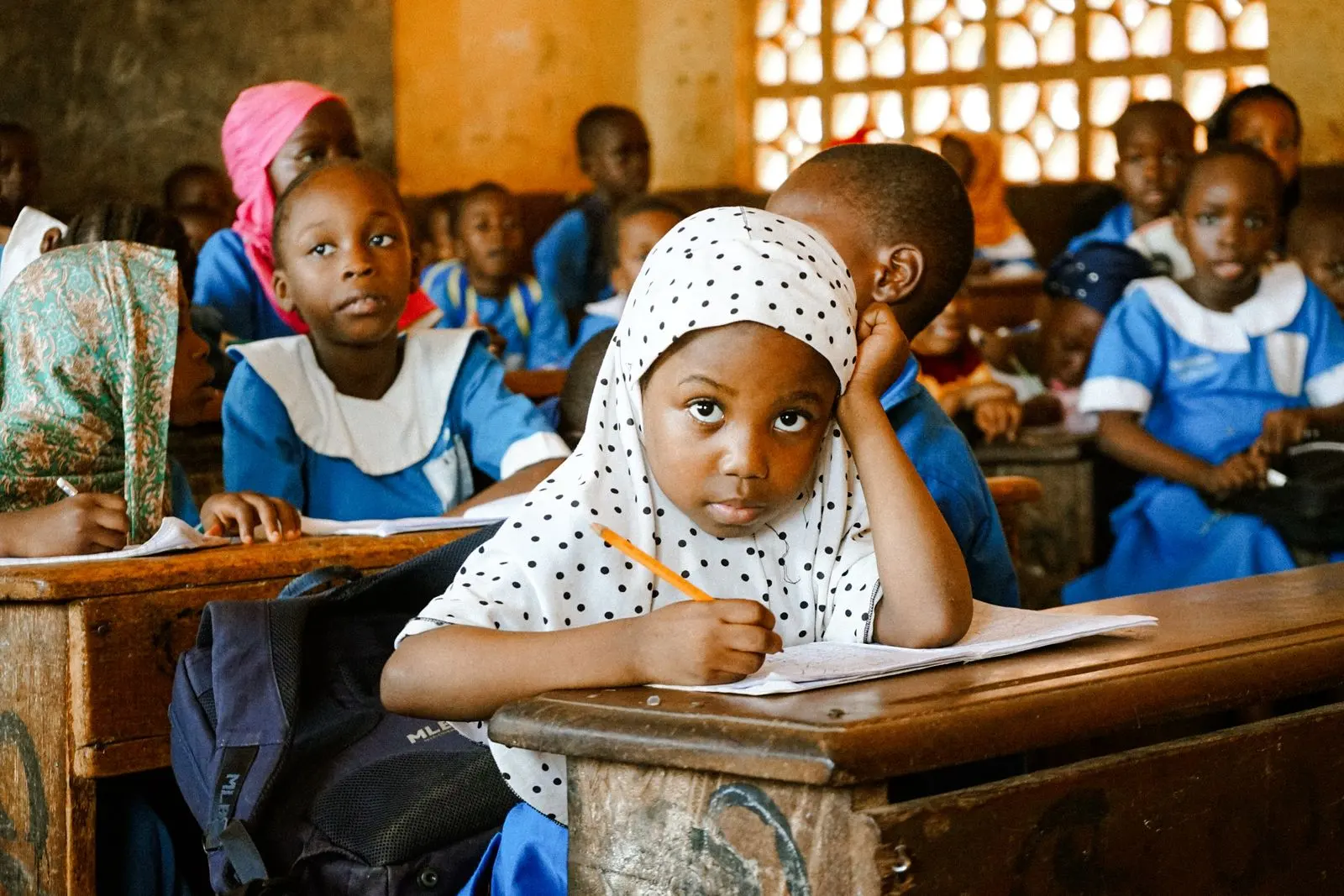 Illustrative image · Şeyhmus Kino · Pexels · Licence Pexels
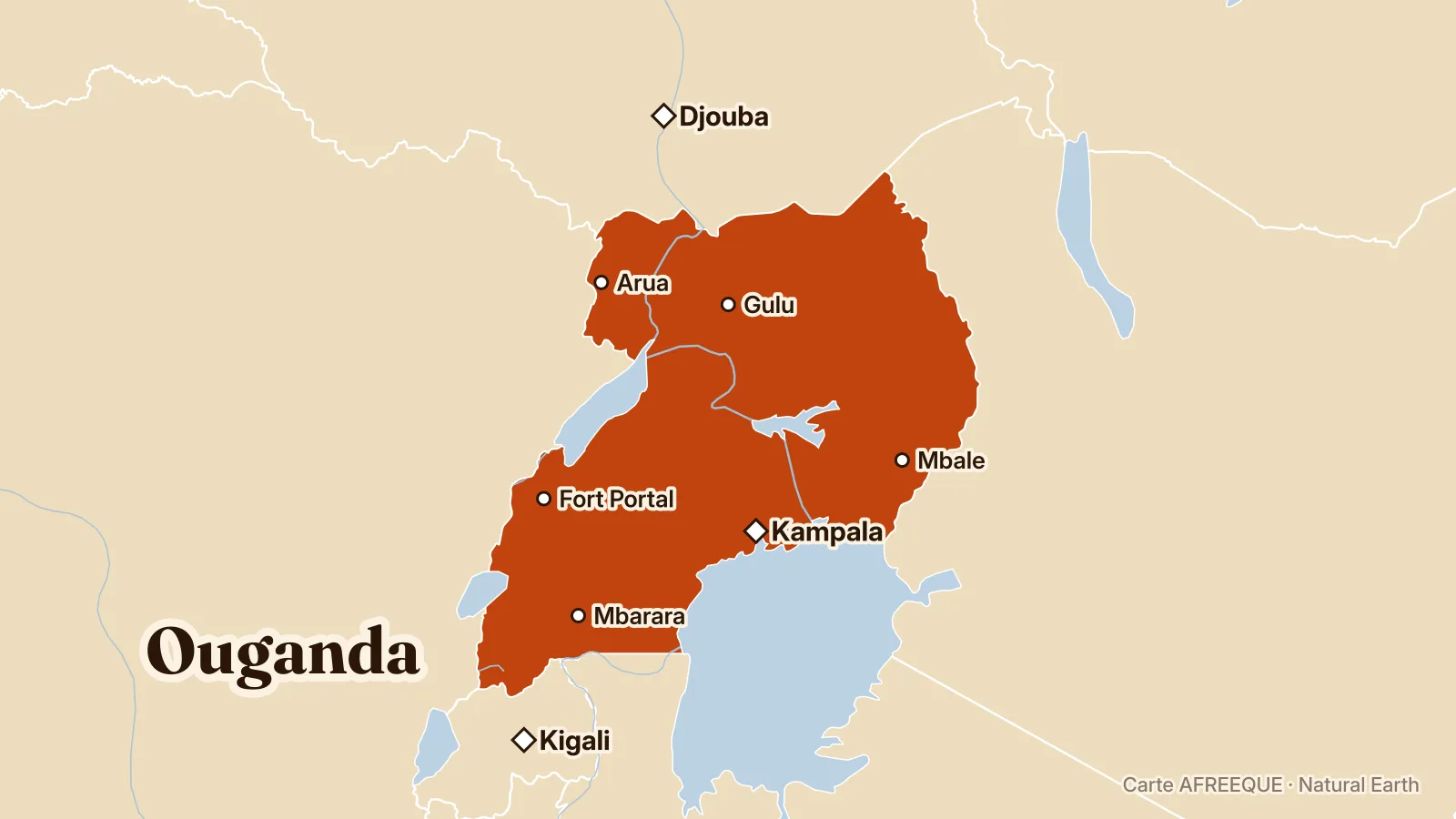
Ugandan children who survived severe malaria can retain cognitive, learning and concentration difficulties several years after recovering. The case of nine-year-old James Ssemambo illustrates the importance of prolonged follow-up after the disease, 24heureinfo reports, citing research conducted in Uganda.
Children who have survived severe malaria can still experience cognitive and educational difficulties several years after recovering, according to research conducted in Uganda and reported by 24heureinfo. The case of James Ssemambo, a 9-year-old boy hospitalised with severe malaria, illustrates these consequences: after returning home, he was still weak and struggled to concentrate at school, according to his mother, Sarah Nankya.
The child missed school for more than a week. His mother stopped working to stay at his bedside and had to cover the transport, medical care and food costs linked to his hospitalisation, 24heureinfo reports.
Researcher Paul Bangirana, of Makerere University in Uganda, has been studying the neuropsychological effects of childhood malaria for more than 20 years. His earlier work showed that about one in four children who survived cerebral malaria had impaired cognitive functions, according to 24heureinfo.
The World Health Organisation estimates that Africa accounted for 94% of malaria cases and 95% of malaria-related deaths worldwide in 2024. Children under five accounted for three-quarters of malaria deaths in the region.