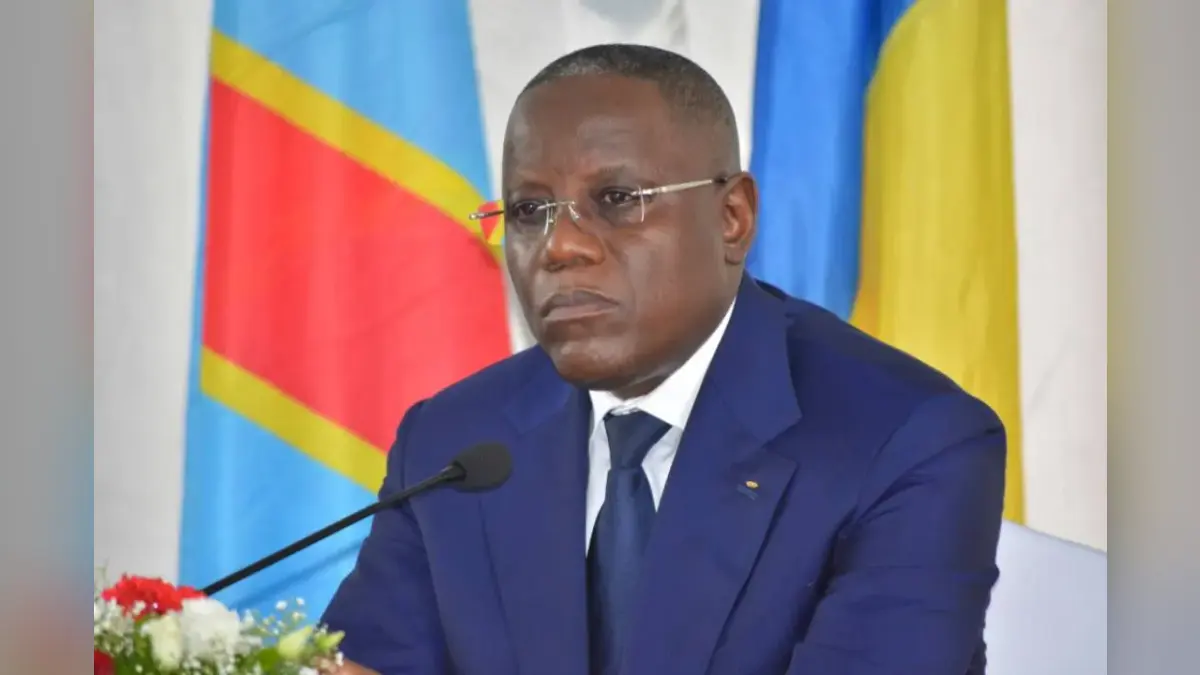
São Tomé president dismisses Américo Ramos’s government, which stays on in caretaker capacity
By the AFREEQUE newsroom, based on Rádio Somos Todos Primos
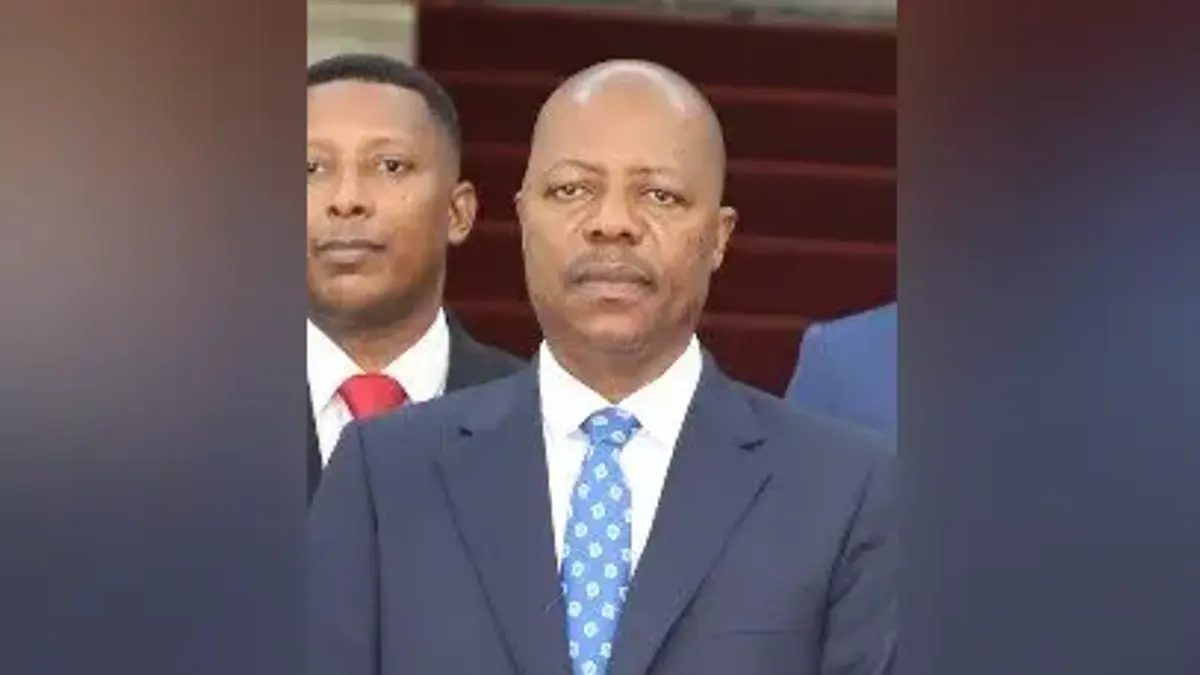
The President of the Republic of São Tomé and Príncipe has ended the functions of the government of Prime Minister Américo Ramos, which remains in charge of day-to-day affairs until the next executive is appointed and sworn in. The decision, taken at the opening of the new legislature that emerged from the 27 September election, leaves open the question of the next head of government: the MLSTP, which came first with 24 of 55 MPs, claims the post, while the ADI and its allies, with 29 seats, back Ramos, according to the Presidency, cited by Rádio Somos Todos Primos.
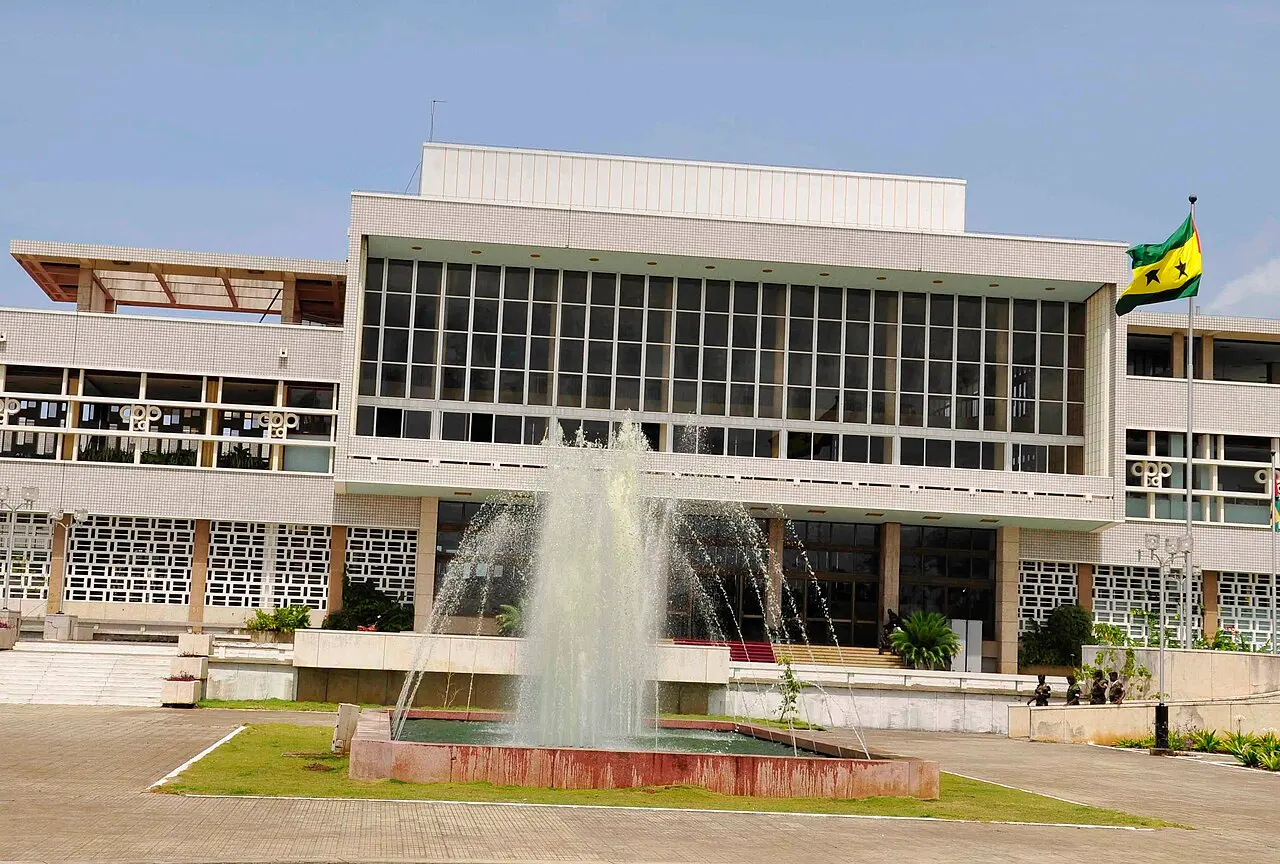
São Tomé and Príncipe’s President Carlos Vila Nova has dismissed the government led by Prime Minister Américo Ramos, which remains in place in a caretaker capacity "until the appointment and swearing-in" of the next executive. The decree, cited in a Presidency post on social media, links the decision to the opening, on 10 November, of the new legislature that emerged from the 27 September elections.
According to the decree, the 19th constitutional government limits its action to the acts strictly necessary for the day-to-day management of public affairs. The Movement for the Liberation of São Tomé and Príncipe (MLSTP) came first in the election with 24 MPs out of 55 and claims the right to form the government. The Independent Democratic Action (ADI), the second-largest force with 23 elected members, has concluded a parliamentary agreement with the MCI-PS/PUN coalition, which has six MPs. Together they total 29 seats, an absolute majority, to keep Américo Ramos as prime minister.
Carlos Vila Nova said: "I am not asking you to read fragility into this result, but a mandate: that of dialogue." He added that the country needs political stability to grow, attract investment and honour its commitments. "Instability has a cost, and it is always the poorest who pay it," he said.
This decision follows the consultation of the parties launched on 13 October. On 17 October, the head of state had demanded a majority before appointing the government.