Nkem Owoh says Yoruba filmmakers launched Nigerian home video
By the AFREEQUE newsroom, based on Ghanaian Chronicle
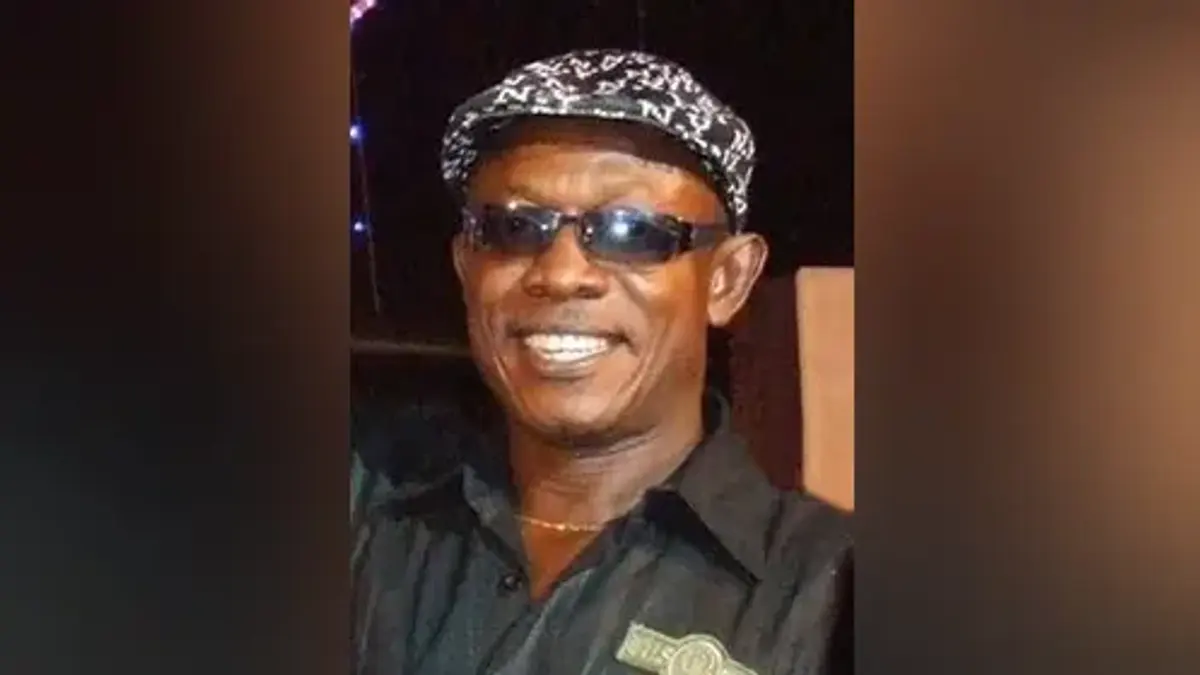
Actor Nkem Owoh, known as Osuofia, says Yoruba filmmakers popularised home video in Nigeria without founding Nollywood as it exists today. He is responding to the controversy that arose in August 2026 over the industry’s origins, according to the Ghanaian Chronicle.
Nigerian actor Nkem Owoh, known as Osuofia, says Yoruba filmmakers launched home video in Nigeria, without founding Nollywood, the Nigerian film industry as it is known today. He was speaking on the YouTube show Curiosity Made Me Ask, hosted by comedian Adebayo Abidemi, known as Bae U, broadcast on Saturday 7 November. He rejects as a mistaken accusation the idea that he had claimed the Yoruba launched Nollywood rather than the Igbo.
Owoh cites directors Hubert Ogunde and Adebayo among the Yoruba filmmakers he admires. He also disputes that Hubert Ogunde was Igbo, asserting that he was Yoruba and had become prominent before Igbo directors were widely recognised. He points out that the name Nollywood did not exist when the first films were made.
The debate was reignited in August 2026 by the actor Francis Duru, now deceased, who credited Igbo entrepreneurs with building modern Nollywood thanks to the home-video boom of the 1990s and early 2000s. Living in Bondage (1992), produced by Kenneth Nnebue, is widely considered the first major success of Nigerian home video. Nnebue had, however, previously produced films in the Yoruba language, including Aje Ni Iya Mi (1989).
Owoh had already been reported as having claimed that the Yoruba launched Nollywood; he has since clarified his remarks on the origins of Nollywood, explaining that he was referring to Yoruba theatre and performance before the 1990s.