Nigerian presidential vote: how results travel from the polling booth to INEC
By the AFREEQUE newsroom, based on Vanguard
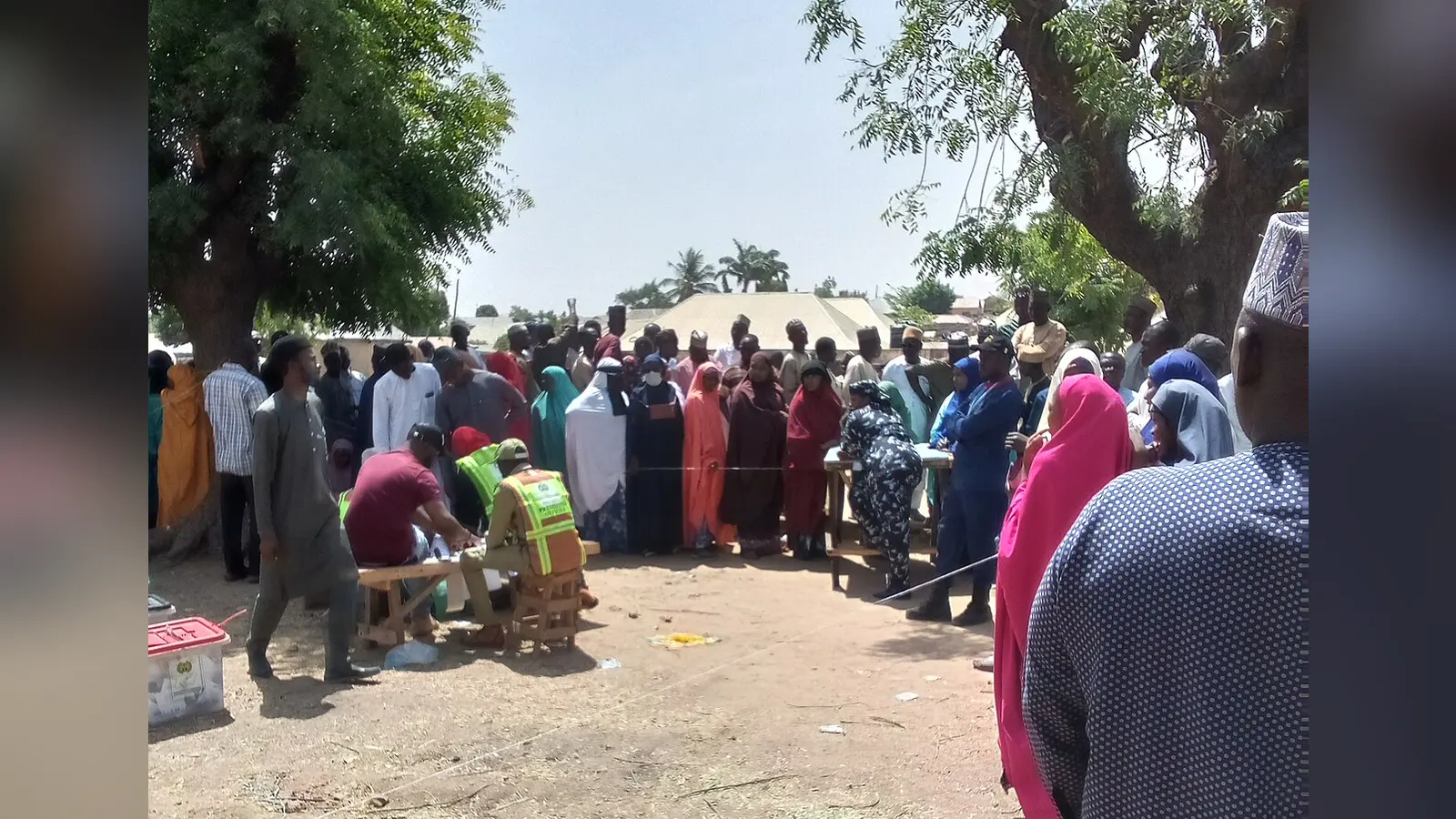
In Nigeria, the presidential result is built through a chain of signatures, from the polling unit up to the Independent National Electoral Commission (INEC). Form EC8A, signed by the presiding officer and agents, serves as the basis for each level of collation, according to an explainer by Vanguard.
Nigeria’s presidential election is not decided by a single national count: results move up in stages, from the polling unit to the Independent National Electoral Commission (INEC), according to Vanguard. At the polling unit, the presiding officer counts the ballots in public and records each party’s score on Form EC8A, which he signs and which is countersigned by the agents present.
According to former INEC chairman Mahmood Yakubu, the 2023 process had four levels: the ward, the local government area (LGA), the state and the national level. At each level, an officer adds up the forms from the level below and records the total on a new form, from EC8B at ward level up to EC8D at state level. Vanguard gives the example of Katsina State in 2023: 1,058,673 valid votes, including 489,045 for Atiku Abubakar of the People’s Democratic Party (PDP) against 482,283 for Bola Tinubu of the All Progressives Congress (APC).
At national level, INEC chairman Joash Amupitan, who succeeded Mahmood Yakubu in October 2025, acts as returning officer for the presidential election. He presents the sealed copies of Form EC8DA, a state-by-state summary, and of Form EC8E, before declaring the winner. Agents may make observations before this declaration.