Nigeria and Togo join forces on data centres
By the AFREEQUE newsroom, based on Leadership and Punch
 Illustrative image · panumas nikhomkhai · Pexels · Licence Pexels
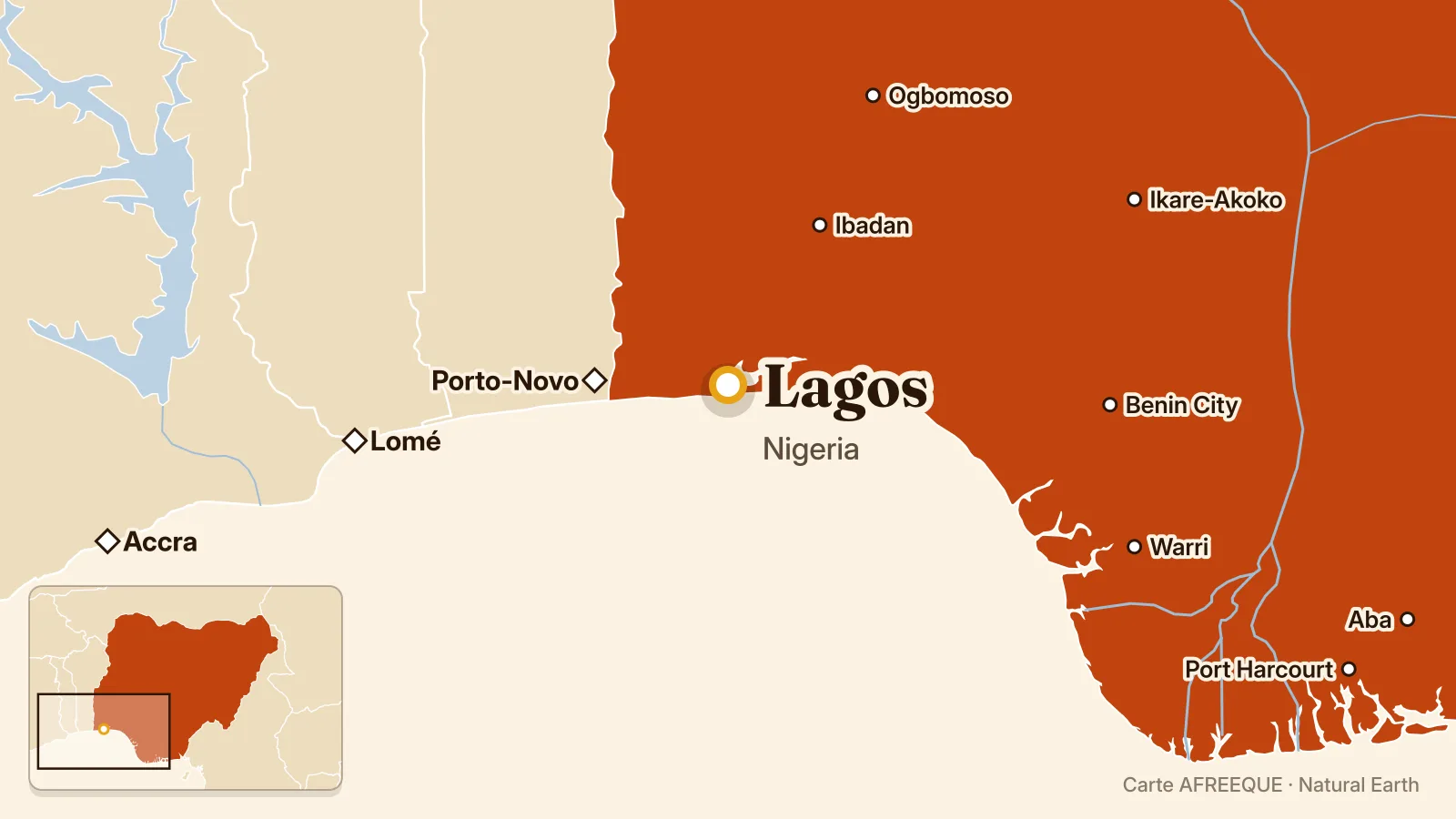
Nigeria and Togo signed an agreement in Lagos on 26 November 2026 to build two interconnected data centre parks, with an estimated initial investment of between $30 million and $50 million. According to Punch, the two countries will create a joint company combining public and private capital, with start-up planned for the second quarter of 2027. The project is expected to attract international operators and strengthen digital infrastructure in West Africa.
The ministers for the digital economy of Nigeria and Togo, Bosun Tijani and Cina Lawson, signed the memorandum of understanding in Lagos. The project provides for two separate but interconnected facilities, financed by a joint company bringing together the two states and private investors. The first operations are expected in the second quarter of 2027, according to Punch.
The governments will hold a stake in this structure, while private companies will provide most of the funds. The states will in particular provide regulatory support to attract international operators. Cina Lawson presented the initiative as the first joint digital infrastructure project between the two countries. She also wants to open the facilities to the French-speaking and English-speaking markets of the region, with the possibility of participation by other West African countries.
Nigeria is considering locating its park near the Egbin power station, in Lagos State. The site has potential access to electricity, gas, water and telecommunications networks. Togo is still examining several locations. The two facilities are expected to enter service at roughly the same time. The ministers also mentioned the possibility of developing data centres specialised in artificial intelligence later.
Cina Lawson also linked the partnership to Togo’s optical fibre extension programme, which aims to connect 2,700 schools, 250 hospitals and all of the country’s districts. In Nigeria, the government launched a national cloud policy in August, intended to develop local hosting and digital computing capacity. This strategy sets a target of 750 million over a period of 24 months, according to Punch.