South Sudan replaces government cheques with bank transfers
By the AFREEQUE newsroom, based on Eye Radio and Radio Tamazuj
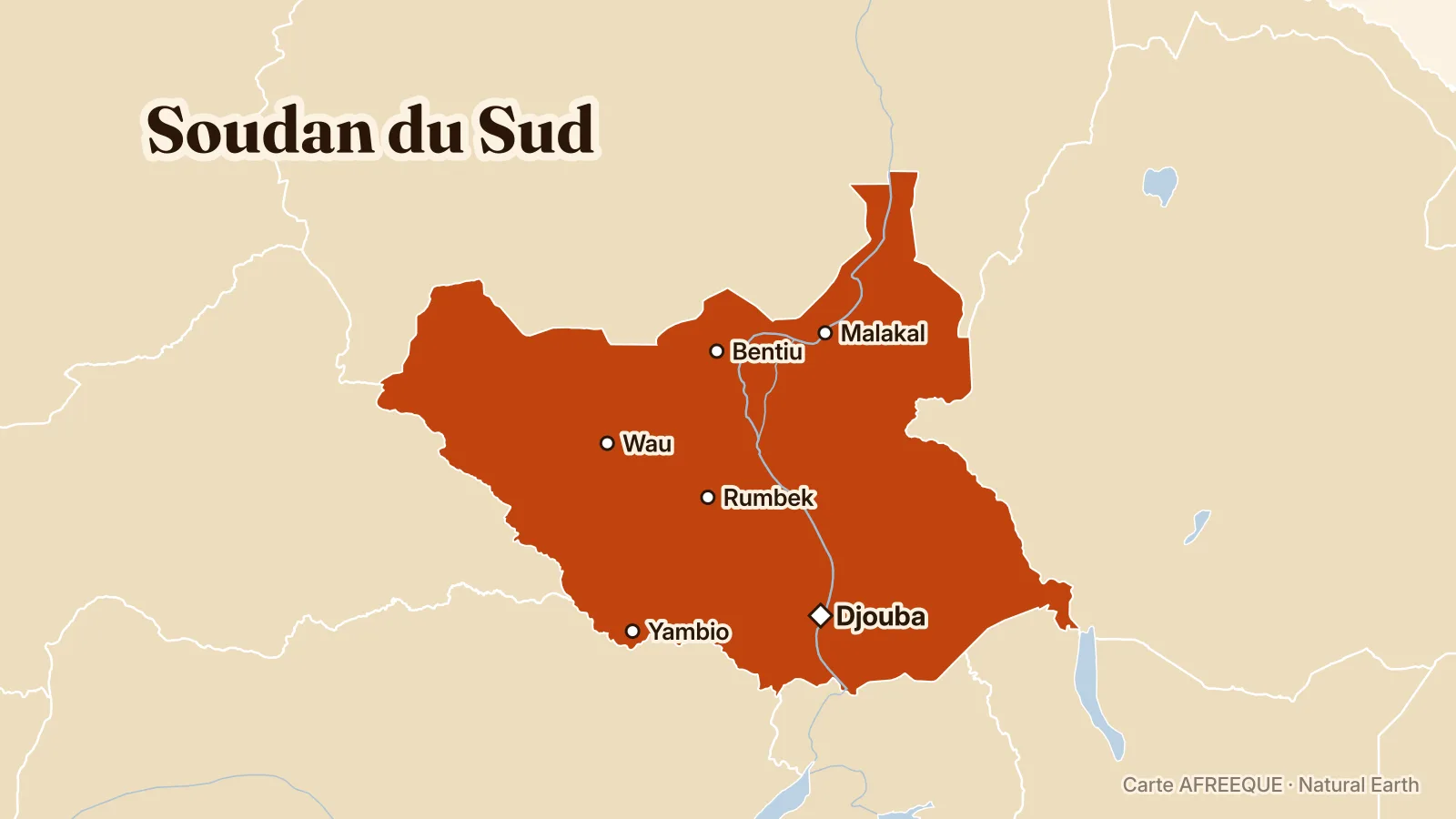
South Sudan launched an electronic system on 24 November 2026 to replace government cheques with direct bank transfers, according to Eye Radio. The system connects two payment mechanisms to the public financial management system. It is intended to speed up payments and improve the monitoring of government expenditure.
The South Sudan Interbank Payment and Settlement System (SSIPSS) combines two channels: Real-Time Gross Settlement (RTGS), reserved for urgent and high-value transactions, and the Automated Clearing House (ACH), designed for bulk payments and low-value transactions. Both mechanisms are connected to the Integrated Financial Management Information System (IFMIS).
The reform comes amid economic fragility. Disruptions to oil exports, particularly following the breakdown of the Dar Blend export pipeline in Sudan in 2024, have worsened the country’s financial difficulties. The economy also continues to face very high inflation and delays in paying civil servants' salaries, according to an analysis published by Radio Tamazuj.
The system’s effectiveness will also depend on beneficiaries' ability to access their money in practice. The concentration of commercial banks in Juba, reliance on cash in remote areas and recurring cash shortages are obstacles to the wider adoption of electronic payments. This infrastructure could improve expenditure traceability and limit losses, but it does not by itself resolve budget deficits or the government’s financing difficulties.