Djibouti connects 104 public buildings to fibre-optic network
By the AFREEQUE newsroom, based on ADI

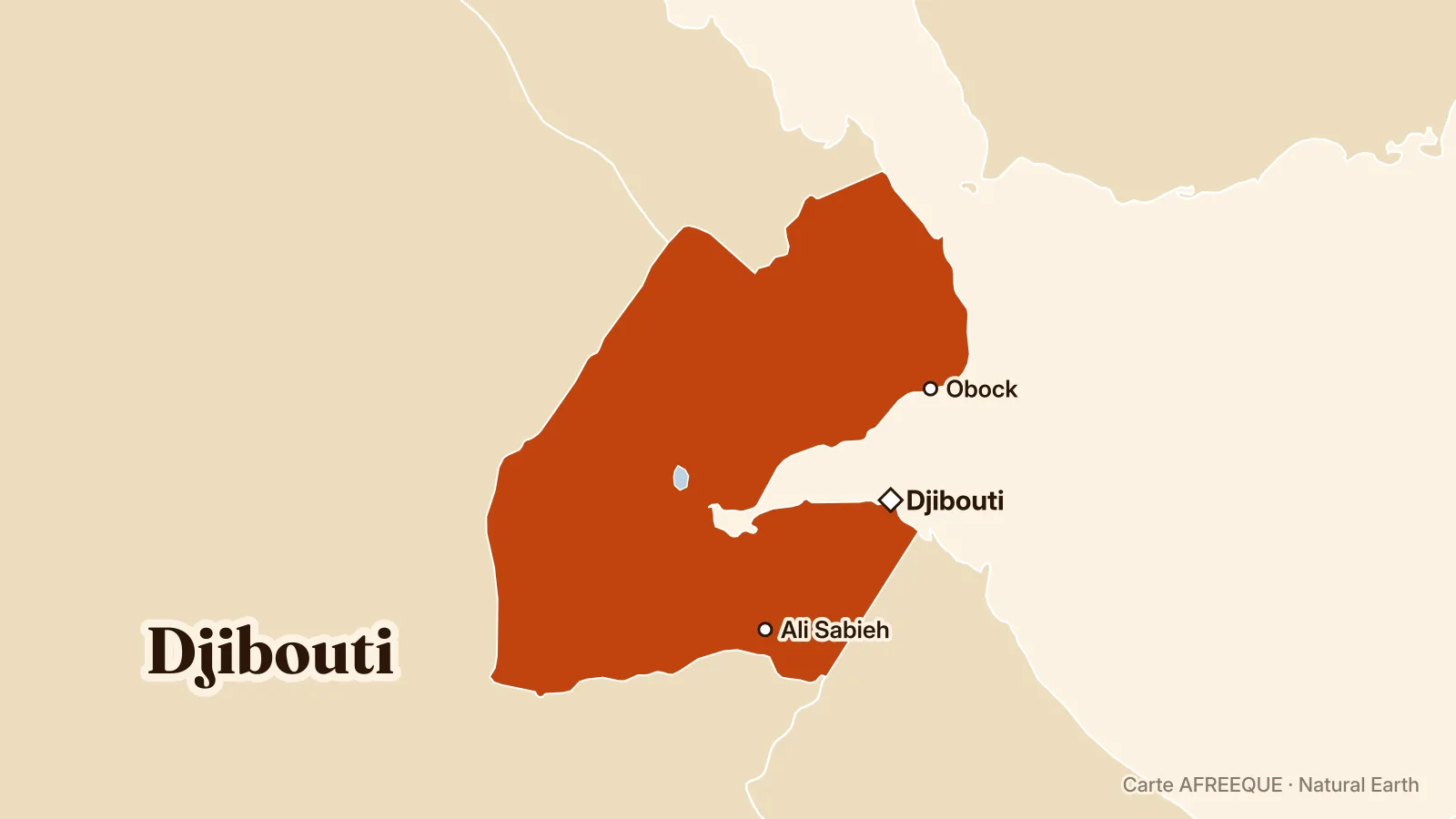
The national digital connectivity programme plans to connect 104 public buildings in Djibouti, including schools, health centres and government offices, following a pilot phase covering 33 sites. The work, entrusted to Djibouti Télécom and supported by the World Bank, is due to be completed in December 2026, according to ADI.
Djibouti’s national digitalisation programme plans to connect 104 public buildings to the fibre-optic network by December 2026. Technicians began work at Peltier Hospital, the capital’s main hospital, on Sunday 22 November, according to the Djibouti Information Agency (ADI).
This operational phase mainly covers government offices, schools and health centres. It follows an initial pilot phase that connected 33 sites. The northern and southern regions already have connections, while other buildings are being equipped. The work also includes upgrading the internal networks of the establishments concerned.
The Djibouti Digital Foundations project receives support from the World Bank. Of the $30 million allocated in April to a national digital initiative, $10 million is earmarked for this programme, with funding from the International Development Association (IDA).
Beyond connectivity, the project aims to improve internet access, develop digital skills and strengthen sector regulation. It also includes the gradual opening of the market to private investment and competition. Implementation is overseen by the Djibouti Digital Foundations Project Management Unit, under the supervision of Communications Minister Mohamed Abdoulkader Moussa Helem. Djibouti Télécom, the state-owned telecommunications operator, is carrying out the work under the supervision of the National Agency for State Information Systems.