Mozambique plans to raise fuel levy to $0.15 per litre
By the AFREEQUE newsroom, based on Club of Mozambique
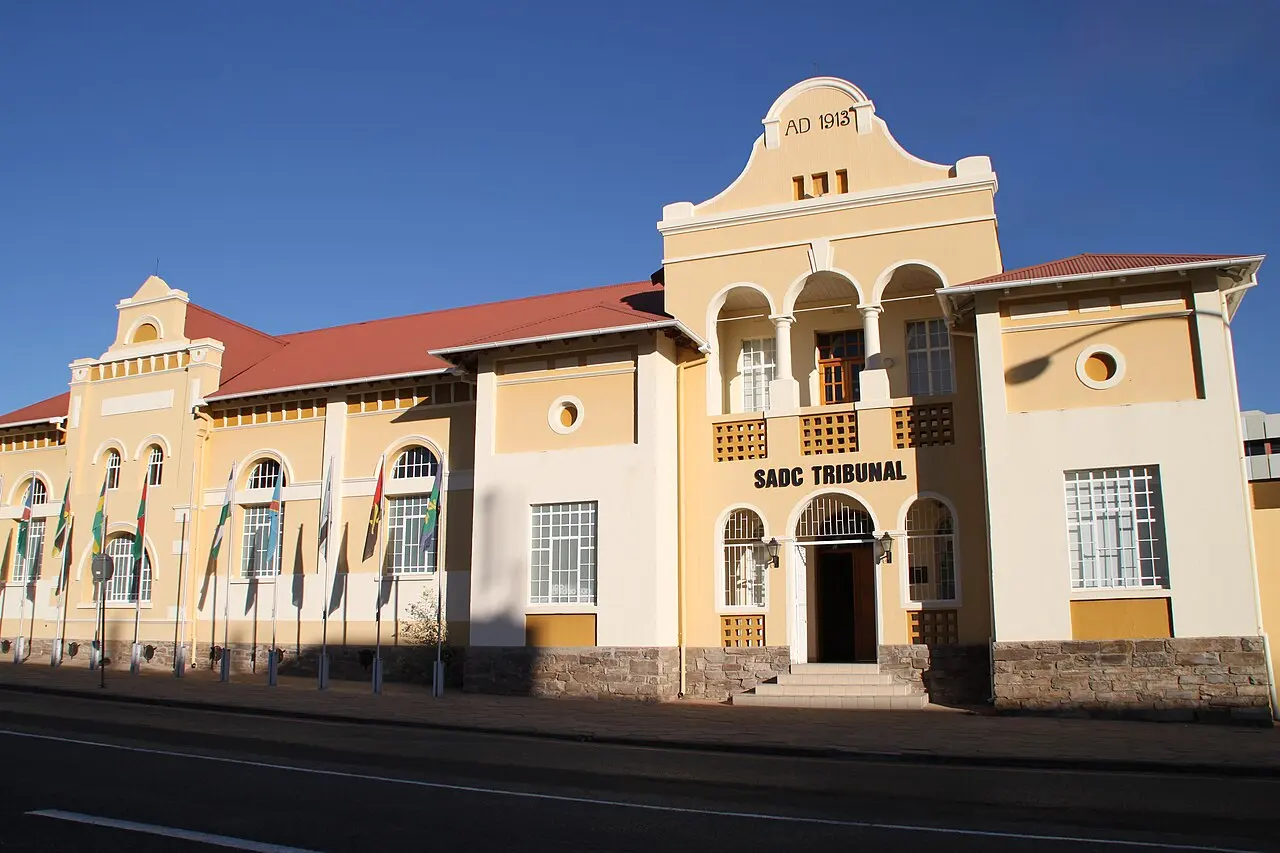
The Mozambican government wants to raise the fuel levy to $0.15 per litre of petrol and diesel, compared with about $0.11 for petrol and $0.06 for diesel today, to fund maintenance of the national road network. Transport Minister João Matlombe presented the measure to Parliament, according to Club of Mozambique.
The Mozambican government plans to raise the fuel levy to the equivalent of $0.15 per litre, compared with about $0.11 for petrol and $0.06 for diesel currently, Transport and Logistics Minister João Matlombe told MPs in Maputo, according to Club of Mozambique.
The bill, presented to parliament since Wednesday, aims to fund the conservation and maintenance of the national road network. It also provides for a periodic adjustment mechanism indexed to inflation and exchange-rate movements. According to projections presented to MPs, the revision would have an estimated impact of 2.92 meticais (€0.04) per litre of petrol and 6.36 meticais (€0.09) per litre of diesel.
The minister justified the adjustment by Mozambique's level, which is lower than that of most countries in the region: the average for countries of the Southern African Development Community (SADC) is between $0.15 and $0.20 per litre. The reform package also provides for raising to 90% the share of levy revenue allocated to the Road Fund. Combined, the two measures would raise the sector's annual revenue to 20,857 million meticais (€293 million).
These additional resources would fund the maintenance of 10,932 kilometres more roads, about 330 kilometres of periodic maintenance per year and an annual envelope of four billion meticais (€56 million) for the rural roads programme. João Matlombe highlighted the deterioration of indicators: the share of paved roads in good or fair condition fell from 91% in 2015 to less than 60% in 2025, and that of unpaved roads from 70% to 45%. The proposal comes after the fuel price increase decided in May, justified by the effects of the conflict in the Middle East on energy markets, with an increase of 45.5% for diesel and 12.1% for petrol.