Morocco accelerates dams and desalination to secure water supply
By the AFREEQUE newsroom, based on Infomediaire
Morocco is pursuing 17 major dams, preparing 12 new facilities and accelerating several desalination projects to raise total storage capacity to 27 billion cubic metres in 2031. Minister Nizar Baraka also announced new basin interconnections, according to Infomediaire.
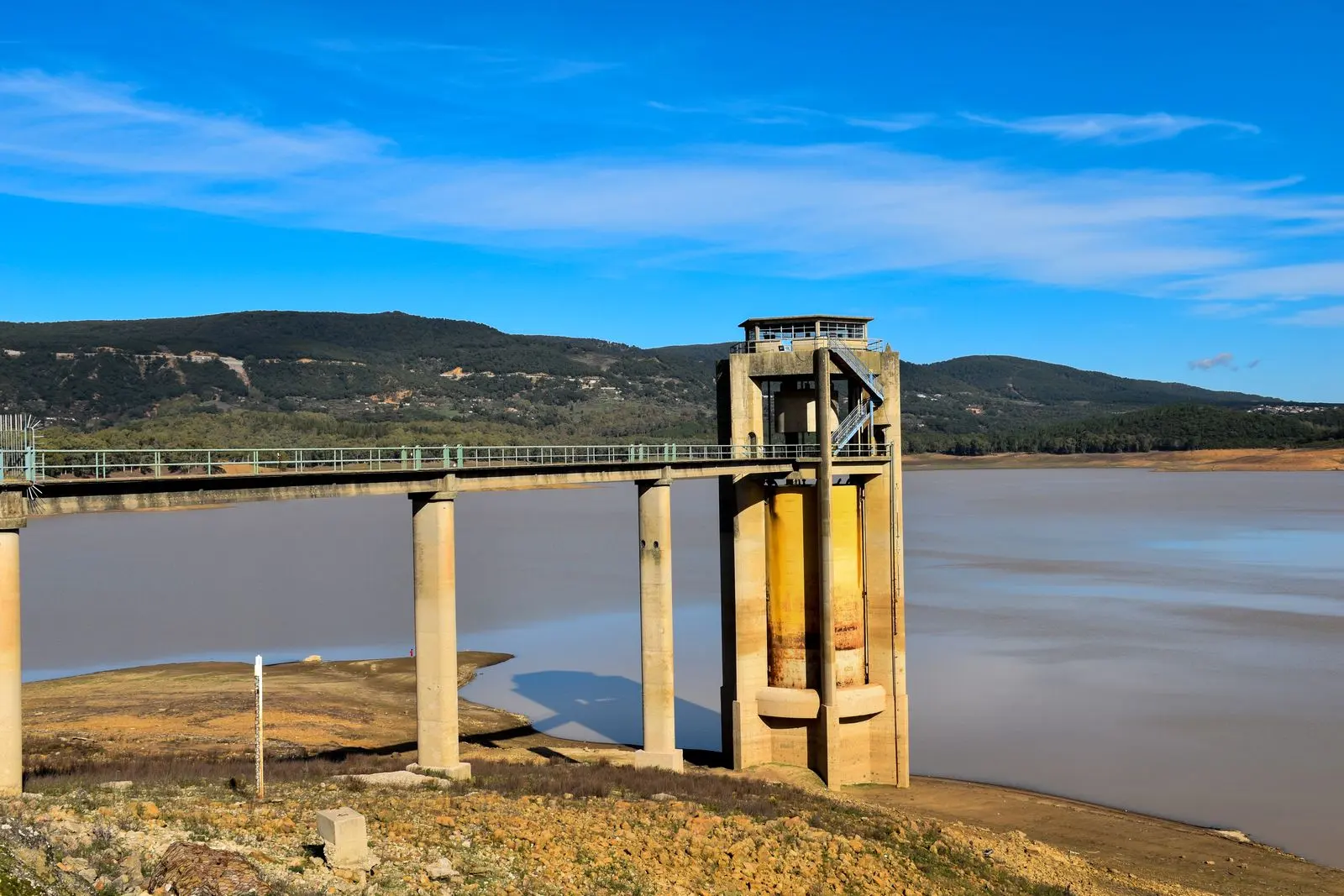
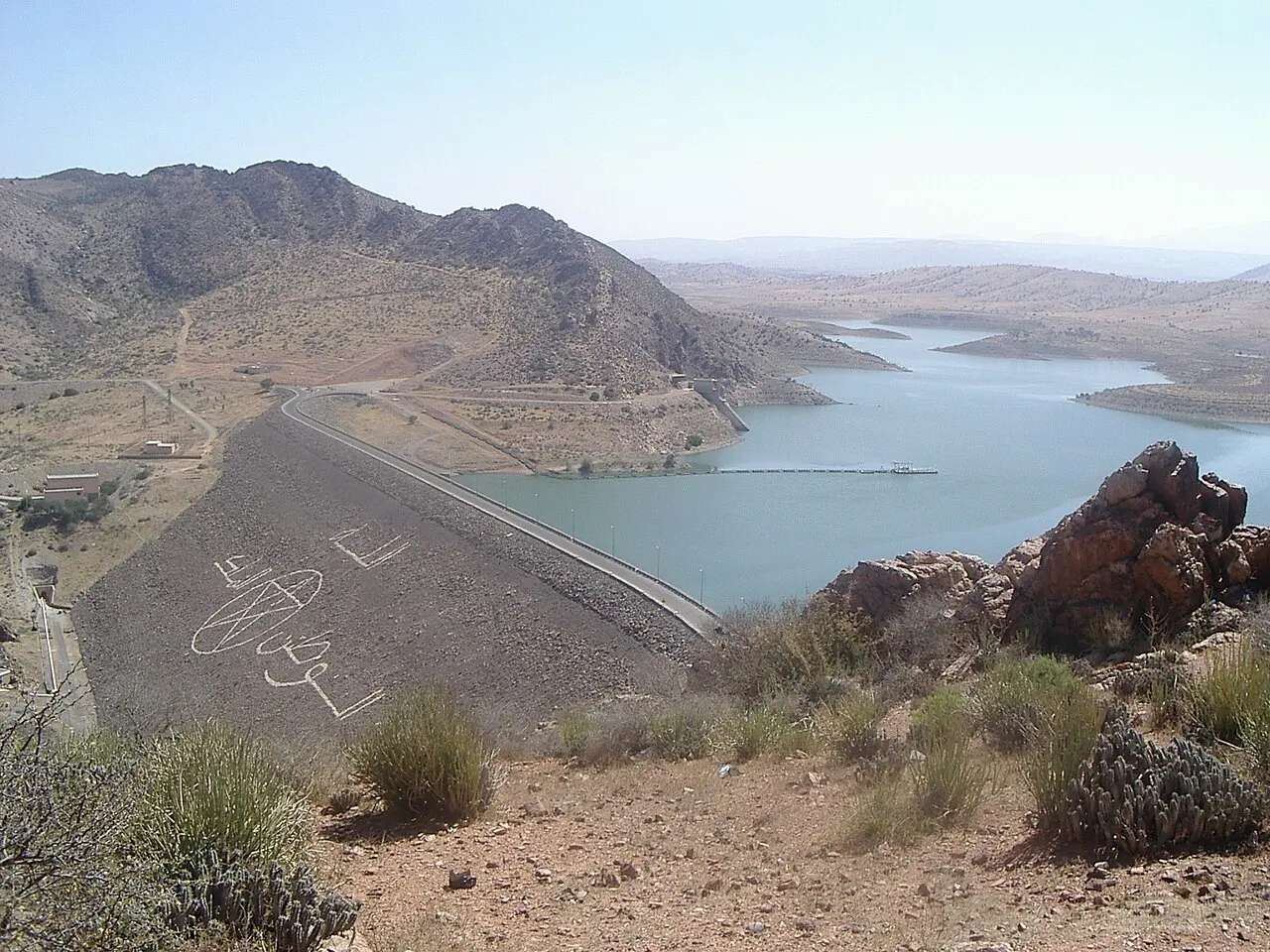
Morocco is accelerating several dam and desalination projects to strengthen the security of its water supply. Minister of Equipment, Water and Forests Nizar Baraka said that 17 major dams, representing a storage capacity of 5.4 billion cubic metres, are under construction, while 12 others are expected to add 4.9 billion cubic metres, according to Infomediaire.
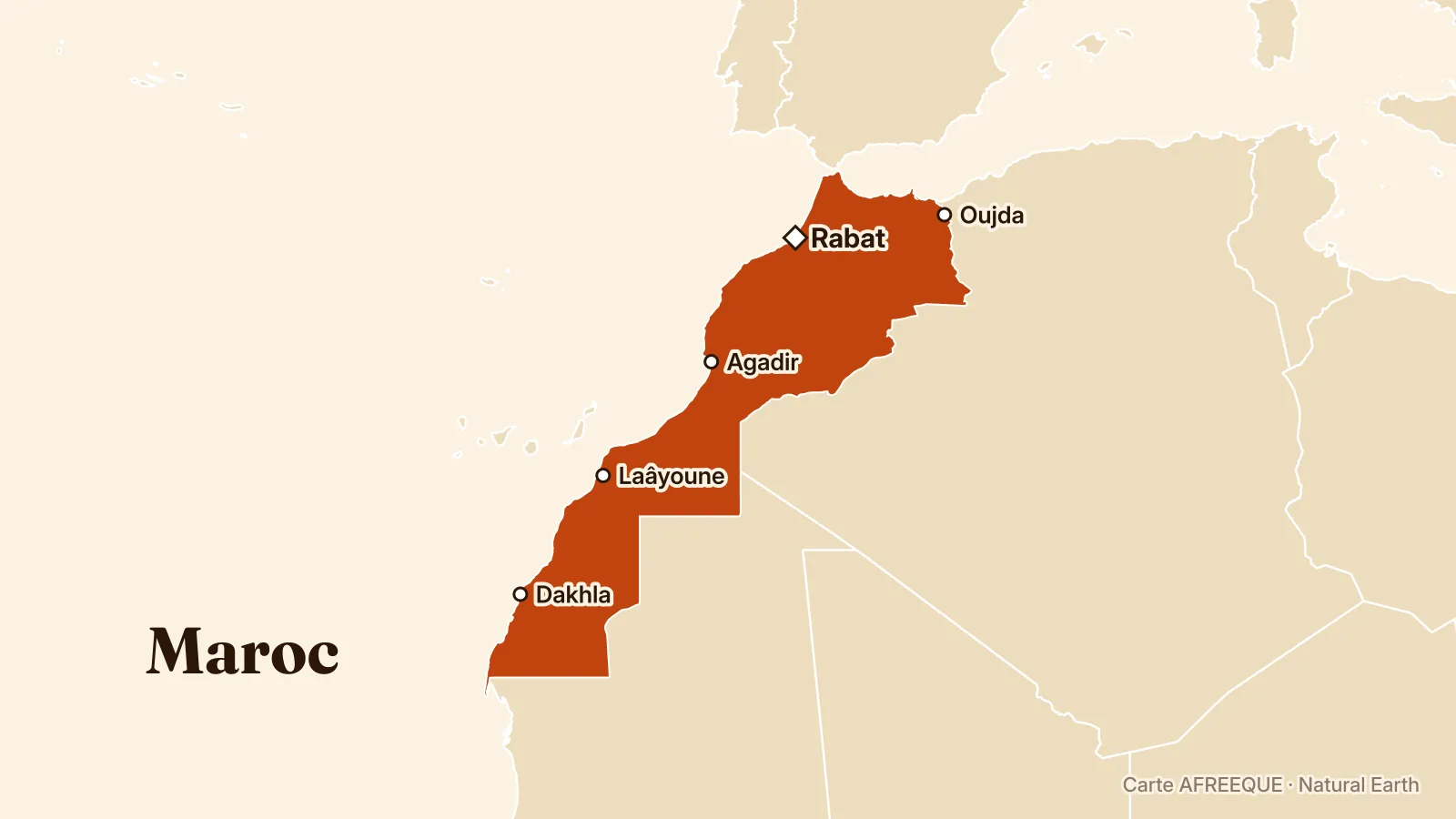
Six medium-sized dams are also under construction and three others are planned. The government is targeting a total national storage capacity of 27 billion cubic metres by 2031. Nizar Baraka stressed that 53% of rainfall is concentrated across 7% of Morocco’s territory, increasing disparities in availability between regions.
The first phase of the interconnection of the water basins between the Sebou and Bouregreg has been completed. The second, between the Bouregreg and Oum Er-Rbia, is due to begin in 2027 and enable the transfer of nearly 8 million cubic metres of water, according to Infomediaire.
Desalination capacity has risen from 46 million cubic metres in 2021 to 447 million currently. Plants are due to be launched in Nador, Driouch and Tangier this year, followed by Tiznit, Tan-Tan, Guelmim and Rabat in 2027. These projects are expected to raise production to 1.8 billion cubic metres in 2031, or 60% of Morocco’s drinking water needs. The strategy also includes expanding drip irrigation to more than one million hectares, reusing treated wastewater and using artificial intelligence in water management. It also provides for 27 flood protection projects already completed and 21 under way. This acceleration comes after the launch on 2 November of the Moroccan water strategy in response to droughts and floods. It complements the objective announced on 27 October of dam storage exceeding 24 billion cubic metres in 2027.