Malabo adopts law governing the press and digital platforms
By the AFREEQUE newsroom, based on Radio Macuto
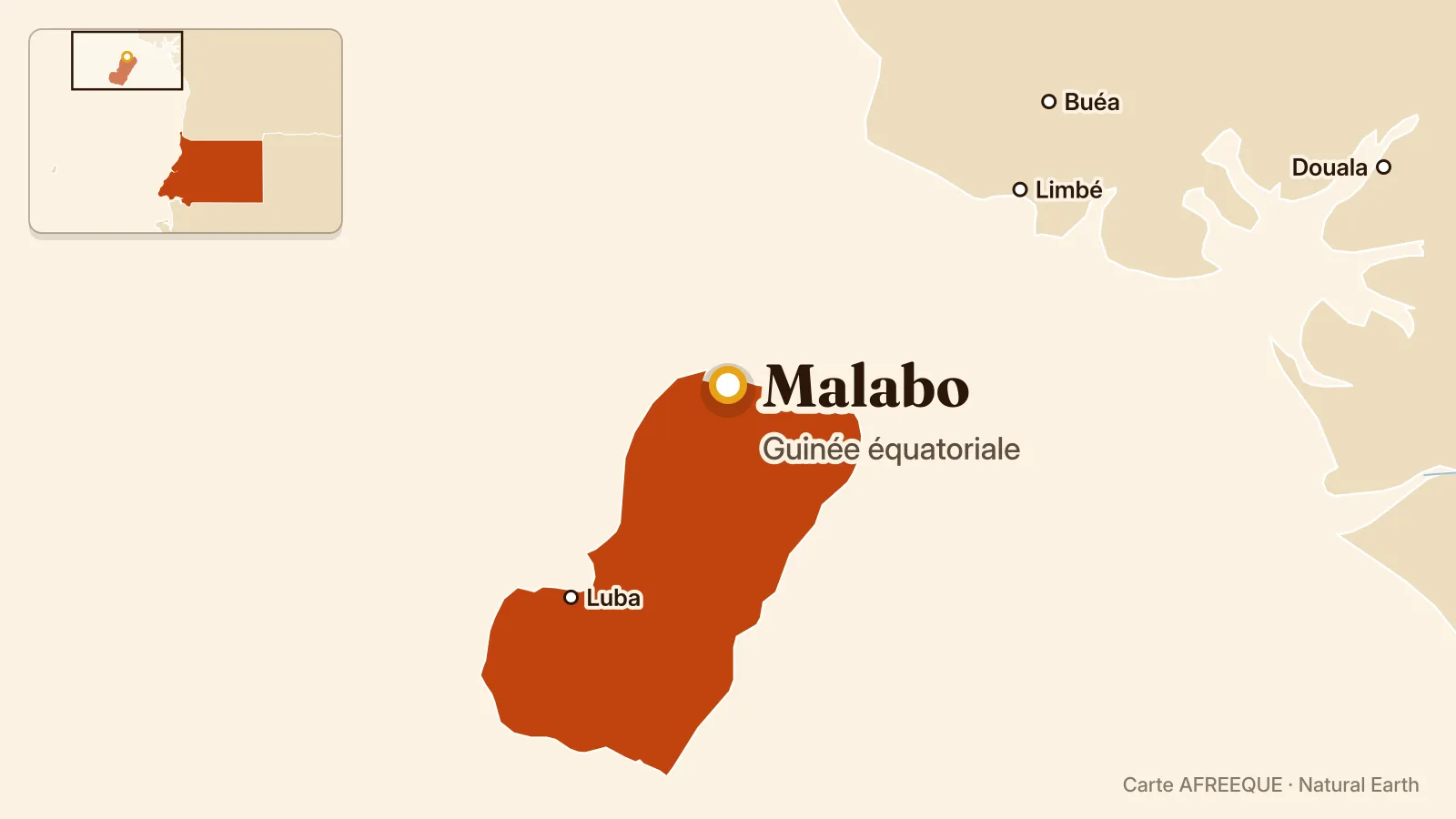
The Chamber of Deputies of Equatorial Guinea unanimously adopted on 9 November a law regulating printing, audiovisual and digital communication services. According to Radio Macuto, citing Asonga TV, the text sets obligations for platforms, but its full content has not been published.
The Chamber of Deputies of Equatorial Guinea unanimously approved on Monday 9 November the law governing printing, audiovisual and digital communication services, as well as the copyright law. Both texts received a favourable opinion from the Public Works and Communications Committee. No deputy voted against, in a chamber dominated by the ruling Democratic Party of Equatorial Guinea (PDGE). According to Real Equatorial Guinea, citing Asonga TV, the law aims to guarantee the freedom to create, inform and express opinions under "clear rules", to protect minors from harmful content and to impose obligations on platforms operating in the country.
Reporters Without Borders (RSF) notes that press offences have not been decriminalised in the country and that arrests for defamation fuel self-censorship. According to RSF, Asonga belongs to Teodoro Nguema Obiang, vice-president and son of the head of state. The organisation says the authorities can dismiss journalists who do not comply with censorship.
In July, a commission of Equatoguinean jurists judged that law 7/2024 on social networks and cybercrime threatens freedom of expression. In September, Facebook and TikTok were blocked for more than two weeks after a viral video targeting Teddy Nguema Obiang. The website of Radio Macuto has been blocked in the country since 2014.