URGENT

In Eswatini, illegal foreign businesses given 12 months to regularise

By , based on Times of Eswatini

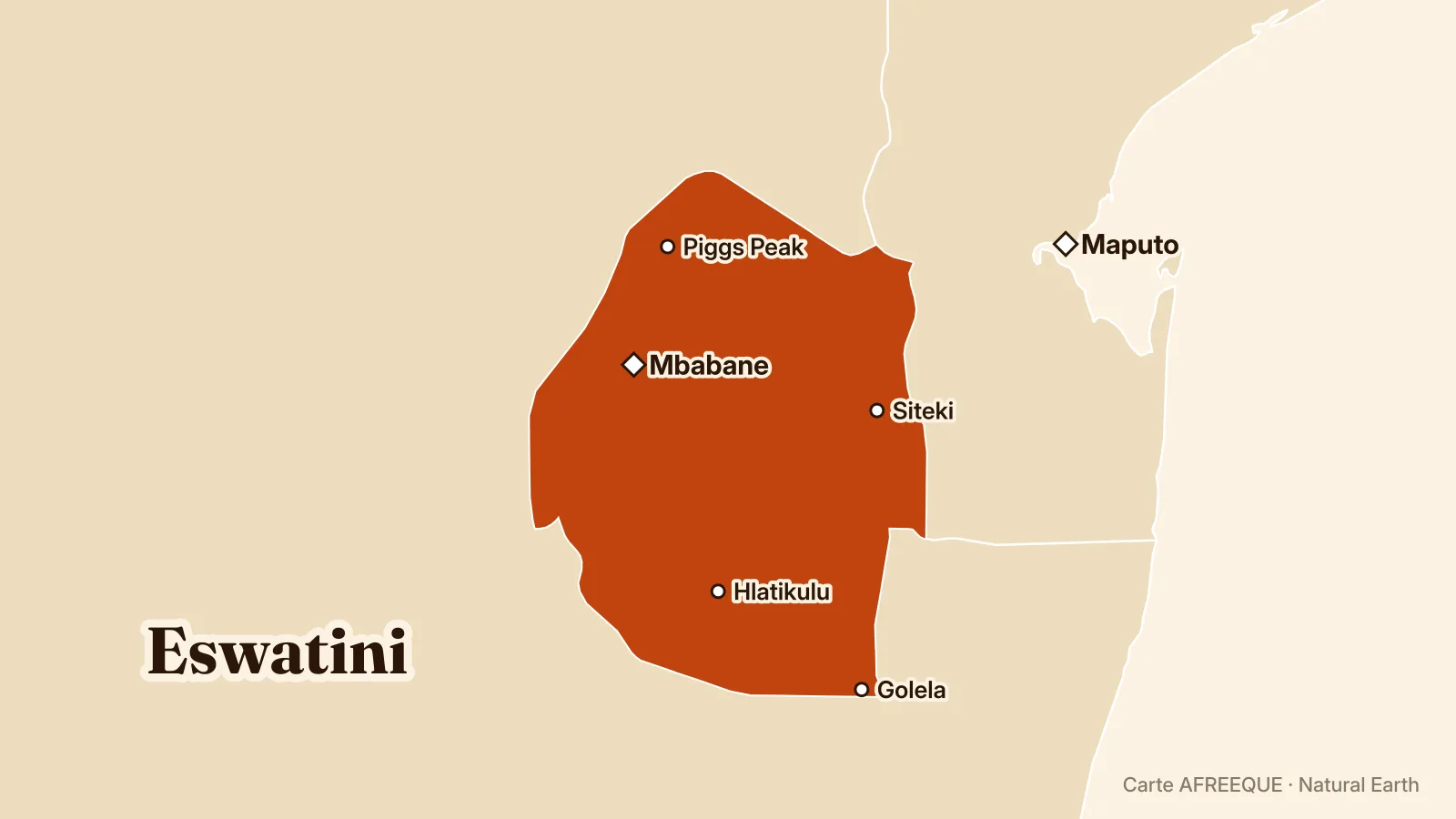
Map: Eswatini

Eswatini’s MPs have adopted a recommendation giving foreign businesses in breach of the law twelve months to regularise their situation or close. The debate revealed divisions over inspections targeting mainly Asian traders, with some proposing a three-year transition and others six months, reports the Times of Eswatini.

Foreign businesses operating in violation of the laws in Eswatini have 12 months to regularise their situation or close. This recommendation was adopted by MPs during the committee debate on the second-quarter report of the Ministry of Commerce, Industry and Trade, in the House of Assembly, according to the Times of Eswatini.

The debate revealed divisions over inspections and closures of businesses run by foreigners, particularly Asians. Some MPs consider that activities on Swazi Nation Land must first benefit emaSwati, Eswatini’s citizens. Others fear a brutal crackdown that would deprive communities of essential services.

Welcome Dlamini, MP for Mbabane East, criticised the methods of ministry officers, who are closing shops run by Asians. According to him, goods are rotting and Eswatini employees are losing their jobs. He called for a temporary suspension and a three-year transition, a period backed by Manzi Zwane, MP for Nhlambeni. Sabelo Mtetwa, MP for Mafutseni, considers three years too long and proposes six months.

This decision is part of a debate on the place of foreign businesses: on 5 October, we reported that foreign companies carry out 55% of construction work in Eswatini.
Share this article

Related stories

Eswatini and UK seek to strengthen trade and migration cooperation

Eswatini Foreign Minister Pholile Shakantu and British High Commissioner Colin Wells want to strengthen trade and migration cooperation between their countries. They notably discussed access for Eswatini products to the British market and projects aimed at start-ups, reports the Times of Eswatini.

🇸🇿 Eswatini · Source: Times of Eswatini ·

Eswatini leaves 88 million emalangeni in health funds unused

Eswatini’s Ministry of Health spent only 12.6 million emalangeni of more than 101 million released for its investment projects, leaving more than 88.4 million unused. MP Sabelo Ndlangamandla challenged this financial management during parliamentary debate on the ministry’s performance, the Times of Eswatini reports.

🇸🇿 Eswatini · Source: Times of Eswatini ·

Eswatini considers state-owned mining company

Eswatini’s government is considering creating a state-owned mining company, as the country already has about 50 public enterprises and bodies. The project revives debate over whether the new entity could generate enough revenue to cover its costs, reports the Times of Eswatini.

🇸🇿 Eswatini · Source: Times of Eswatini ·

Eswatini debates grouping its economic regulators

Eswatini has numerous authorities regulating banking, telecommunications, agriculture, energy and other sectors, despite the limited size of its economy. Economist Sanele Sibiya believes overlapping responsibilities increase costs and proposes mergers or specialised departments, the Times of Eswatini reports.

🇸🇿 Eswatini · Source: Times of Eswatini ·

🇸🇿 Latest from Eswatini

Eswatini power utility EEC seeks 18.38% tariff increaseEswatini power utility EEC seeks 18.38% tariff increaseThe Eswatini Electricity Company is asking the regulator ESERA for an average tariff increase of 18.38% for 2027/28, then 14.68% for 2028/29, seven months after the last increase. According to the regulator, the request is driven mainly by the cost of bulk electricity purchases (61% of required revenue) and 533.1 million emalangeni in past losses to be recovered.All Eswatini news →

Business in Southern Africa

Financial Gazette says Zimbabwe’s Comesa chairmanship matters to businessesFinancial Gazette says Zimbabwe’s Comesa chairmanship matters to businessesAccording to Financial Gazette, the Comesa chairmanship, held by Zimbabwe until 2027, influences the business environment. The bloc has 21 states and more than 640 million people, but its intra-regional exports fell to about 13 billion dollars in 2025, from 18 billion in 2023.All Business news →

The week in Africa

This week’s highlights

  1. Ebola: 31 pupils dead in at least 44 schools in North Kivu, DR Congo🇨🇩 DR Congo
  2. Trump wants Israel and Gulf states to repay the Iran war costs🇺🇸 United States
  3. Cameroon’s ELECAM has 15 days to receive candidacies for 7 February elections🇨🇲 Cameroon
  4. Mali evacuates nearly 49,000 gold miners expelled from Guinea in four days🇲🇱 Mali
  5. Dangote IPO attracts $4.1 billion in share applications🇳🇬 Nigeria
All of this week’s highlights →

Africa in your inbox

Be the first to get our letter in English: the essentials from every region of the continent, free.

Free · one email a week · unsubscribe in one click. Your address is only used to send you the letter, never sold. Personal data

← Back to the news