In China, dependent older people outnumber children, 23% to 22%
By the AFREEQUE newsroom, based on MyJoyOnline
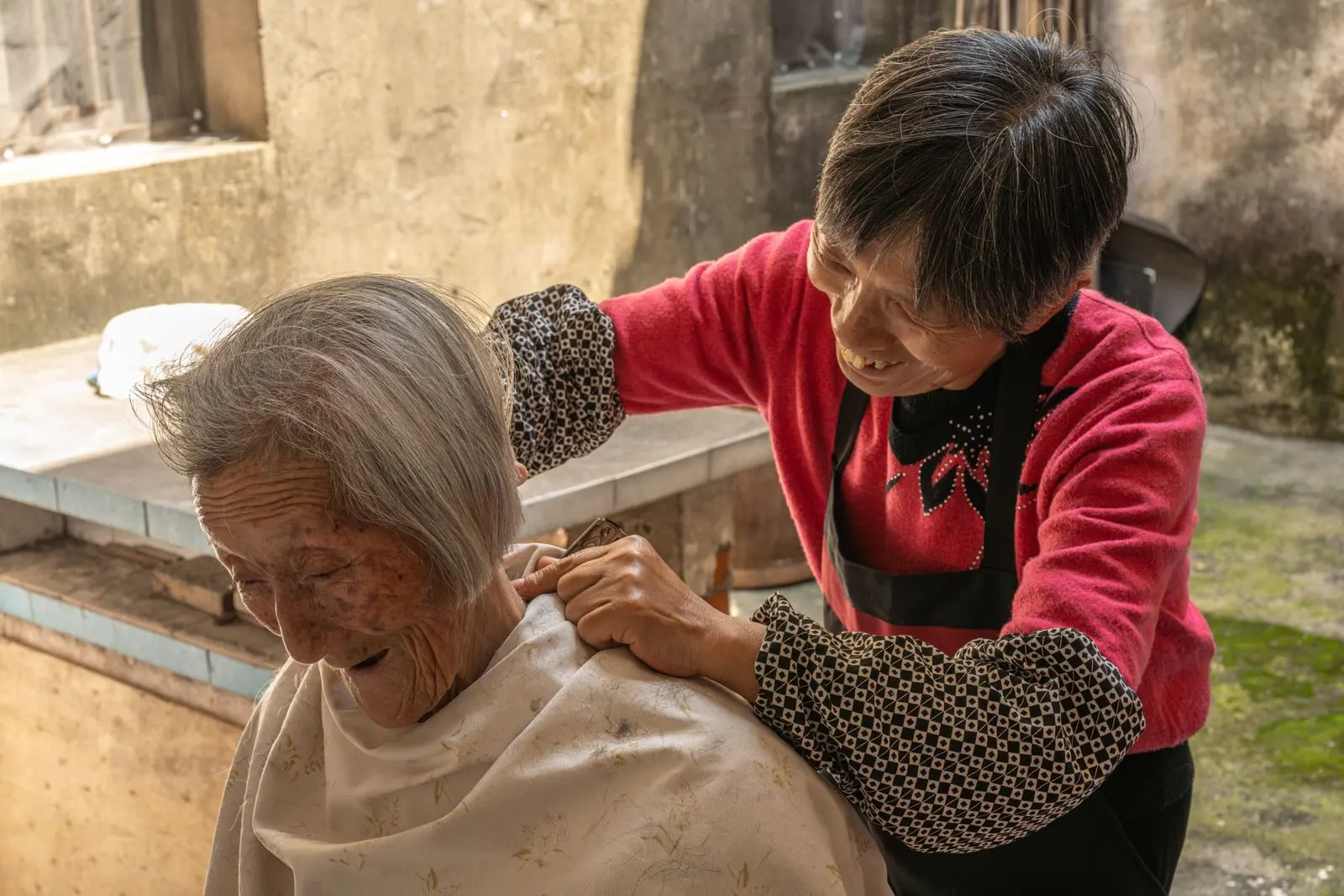 Illustrative image · Qing Luo · Pexels · Licence Pexels
In China, older people who are dependent now account for 23% of the working-age population, compared with 22% for children, according to the latest official data. More than 223 million residents are at least 65 years old and about 213 million are 14 or younger, an imbalance that could weigh on pensions and care, Chinese state media reports.
In China, the dependency ratio for older people compared with the working-age population reached 23% last year, surpassing the ratio for children, which stood at 22%, according to official data published the week before 28 October and reported by MyJoyOnline.
China’s National Bureau of Statistics counts more than 223 million people aged 65 and over, nearly 16% of the population, compared with about 213 million children aged 14 or under. An ageing population could increase pressure on pensions, healthcare and long-term care, while also creating opportunities in services for older people, the Global Times reports.
Stuart Gietel-Basten, a professor at the Hong Kong University of Science and Technology, believes the shift could redirect some public spending from families and schools towards pensions and healthcare. Mu Zheng, a sociology specialist at the National University of Singapore, warns that it could also slow economic growth and reduce purchasing power.
Falling birth rates and rising life expectancy are contributing to this shift, according to the Global Times. China’s one-child policy, applied from 1980 to the end of 2015, also shaped the country’s demographics. The Chinese government estimates that it prevented about 400 million births, a figure that is disputed.