Foot-and-mouth disease: Namibia creates containment zone in Kharas
By the AFREEQUE newsroom, based on Namibia Economist
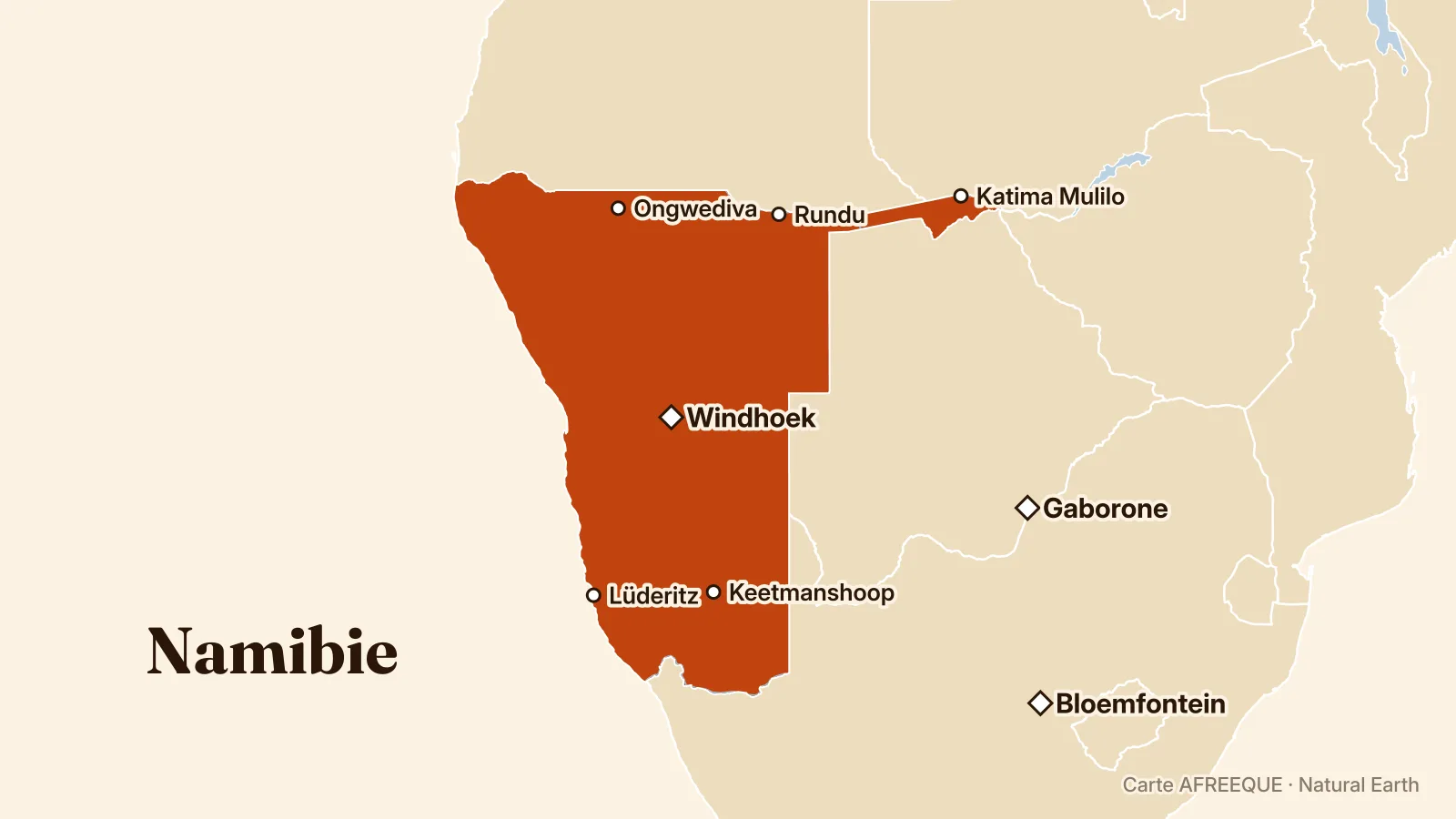
Agriculture Minister Inge Zamwani announced before Parliament the construction of a veterinary fence north of the affected areas to prevent the movement of livestock. The ministry favours a six-month recovery plan combining targeted vaccination and slaughter, with an extension to twelve months if the disease continues to spread, according to the Namibia Economist.
Namibian Agriculture Minister Inge Zamwani has announced the creation of a containment zone against foot-and-mouth disease in the Kharas Region. The plan includes the construction of a veterinary fence north of the affected areas to separate infected farms from disease-free zones and limit livestock movements, she told the National Assembly this week.
The ministry favours a six-month recovery programme. This would combine targeted vaccination in the affected area with the slaughter of susceptible animals on infected farms, in accordance with veterinary regulations. If the spread of the disease or operational difficulties make it impossible to meet this timetable, the authorities are considering a twelve-month strategy based on extended vaccination, health surveillance and monitoring of herds after injections. The aim is to regain international foot-and-mouth disease-free status, in accordance with the standards of the World Organisation for Animal Health.
Namibia is also seeking to preserve its export markets. The United Kingdom recently authorised the entry of nine certified consignments of Namibian products into its market. Despite the trade restrictions in force, the country has also exported 2,803 cattle, 1,340 sheep and 1,247 goats to Mauritius, according to Inge Zamwani. Slaughtering has also resumed at local facilities that meet health requirements, under veterinary supervision.
The ministry is continuing discussions with South Africa, Botswana and the European Union to facilitate a broader resumption of livestock and meat exports. The new containment zone is part of the measures launched following the detection of the disease in Kharas, reported on 27 September, and the calls for farmers to keep their livestock enclosed, published on 6 November.