Ebola: 67 health zones affected across eight provinces of DR Congo
By the AFREEQUE newsroom, based on ONU Info and Beto
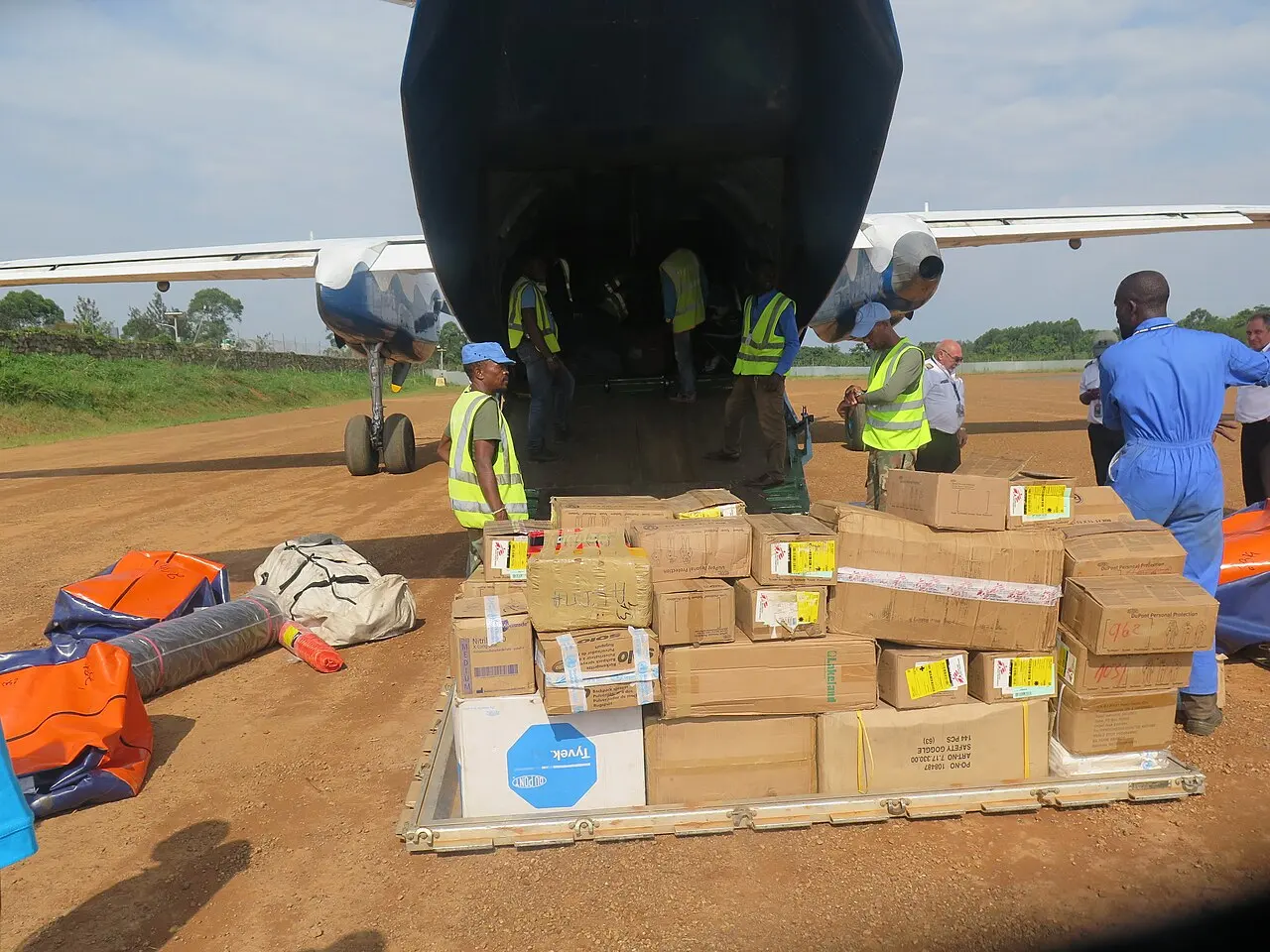
Six months after the Bundibugyo virus first appeared in DR Congo, the Ebola outbreak still affects 67 health zones across eight provinces, with hundreds of new cases reported each week. According to ONU Info, progress in the response is real, but access to isolated populations remains the main challenge.
Six months after the start of the outbreak, the situation remains worrying in DR Congo: according to WHO, 67 health zones in eight provinces are affected. Between 400 and 500 new cases are recorded each week, and the outlet Beto also reports a toll of more than 5,400 deaths in six months.
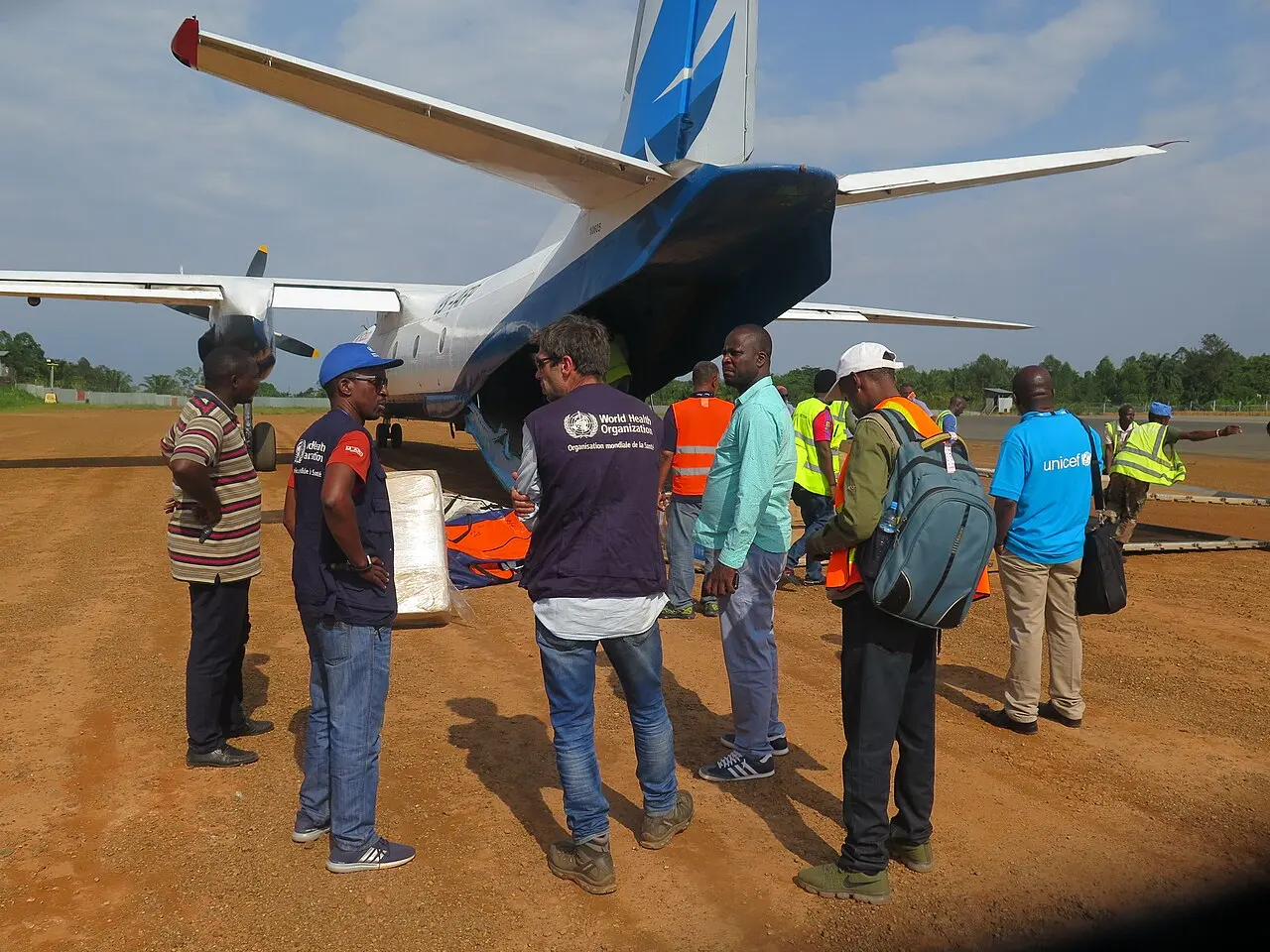
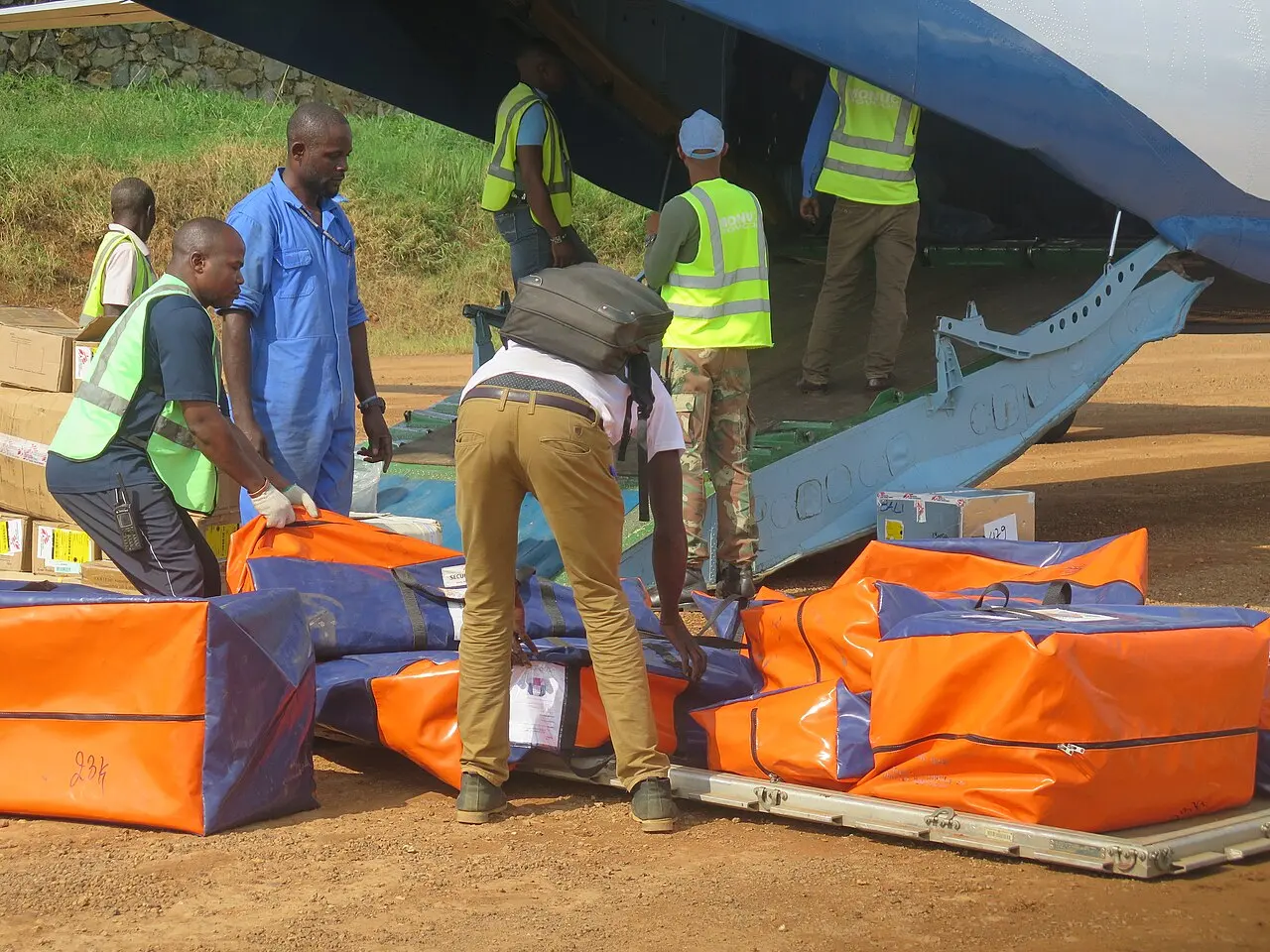
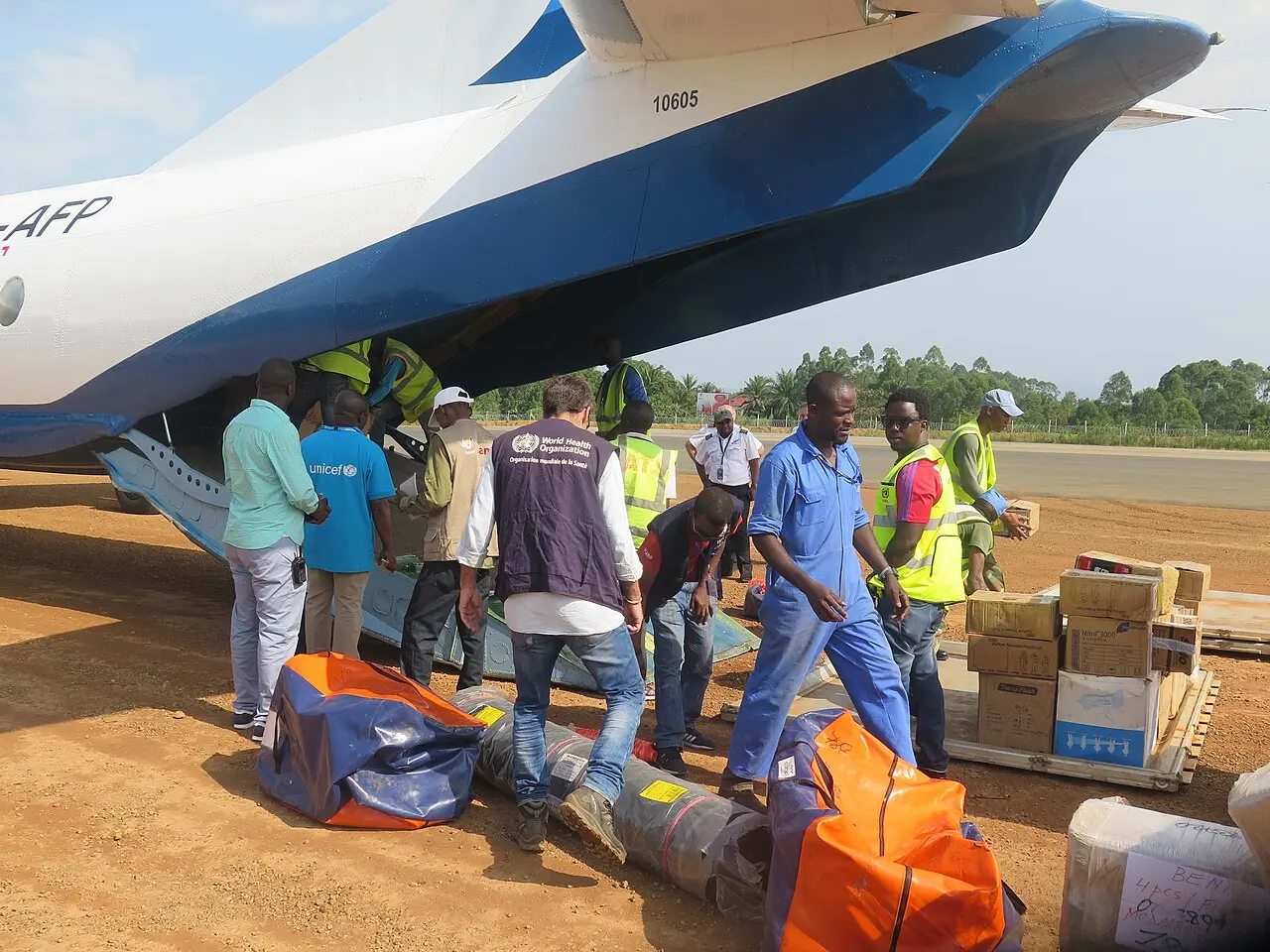
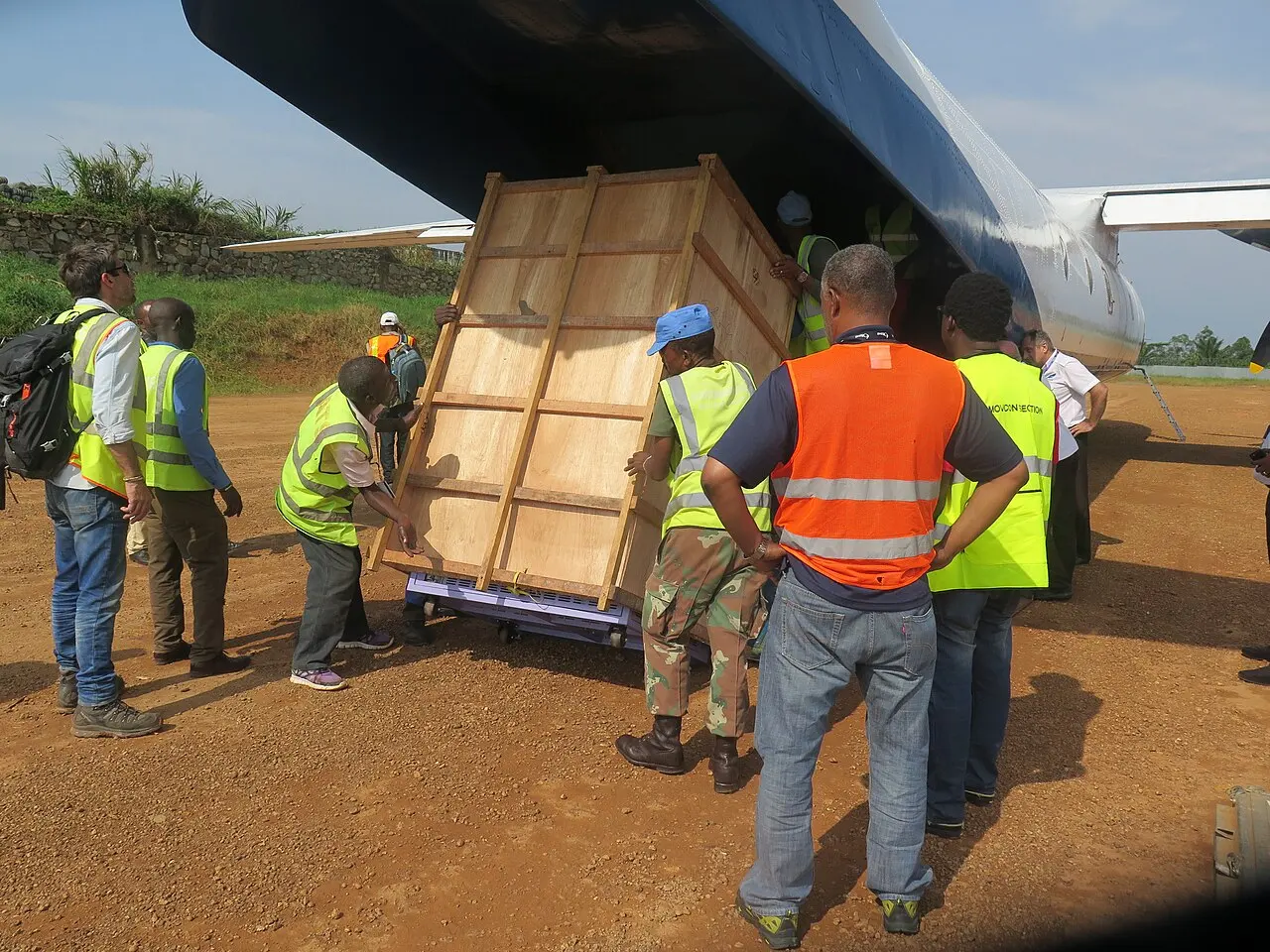
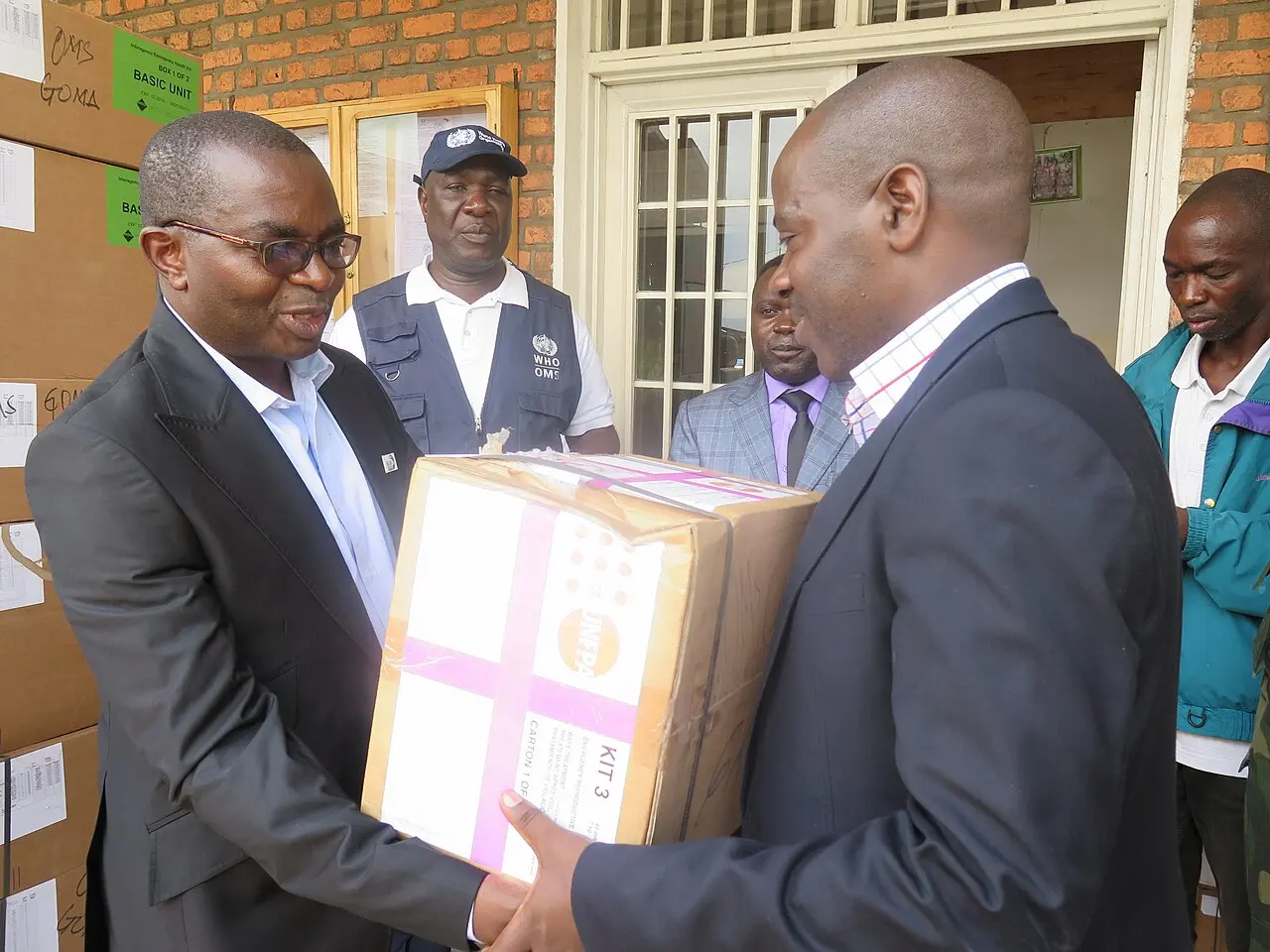
The WHO reports progress. Several initial outbreak sites have been brought under control, notably in Mongbwalu, Nyankunde, Nizi, Rwampara and Butembo, and in Bunia, one of the main epicentres, the number of new cases has been halved. The number of laboratories has risen from two to more than 24, nearly 2,000 beds are available in 104 treatment and transit centres, and around 3,000 people have recovered. Nearly 100 partners are acting under the coordination of Congolese authorities, with support from WHO and Africa CDC.
Children are among the main victims: they account for more than a quarter of confirmed cases and a third of deaths, and seven in ten children under five who were infected have died. About two-thirds of confirmed deaths occur in communities, which highlights the difficulties of early detection and contact tracing. Imported cases have been confirmed in Kenya and Nigeria.
Insecurity weighs heavily on the response, particularly in the east. According to WHO, an armed attack in Cantine-Aloya killed 66 civilians, including three health workers, and three health facilities were looted. More than 1,000 contacts have been lost to follow-up, and three confirmed cases remain untraced. A new attack on the same locality was reported on 11 November, and more than 80 attacks on health facilities and staff have been recorded since the outbreak was declared. WHO calls for a cessation of hostilities to protect civilians and health teams.