La Francophonie commits to reforming how its secretary-general is chosen
By the AFREEQUE newsroom, based on Beto
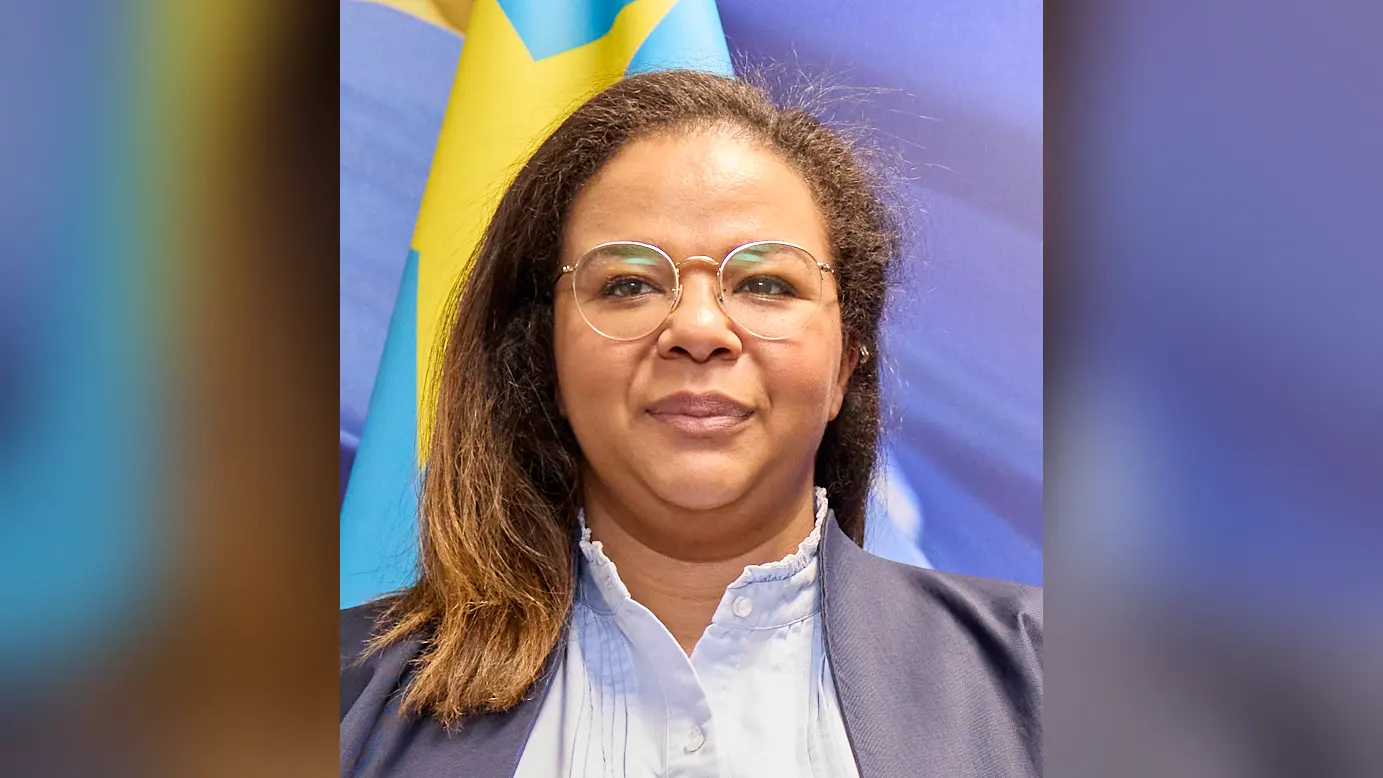
A compromise reached on Monday within La Francophonie provides for a twelve-month transition and commits to reforming how the next secretary-general is chosen. On X, Congolese Minister of Foreign Affairs Thérèse Kayikwamba Wagner welcomed an agreement that preserves the organisation’s unity.
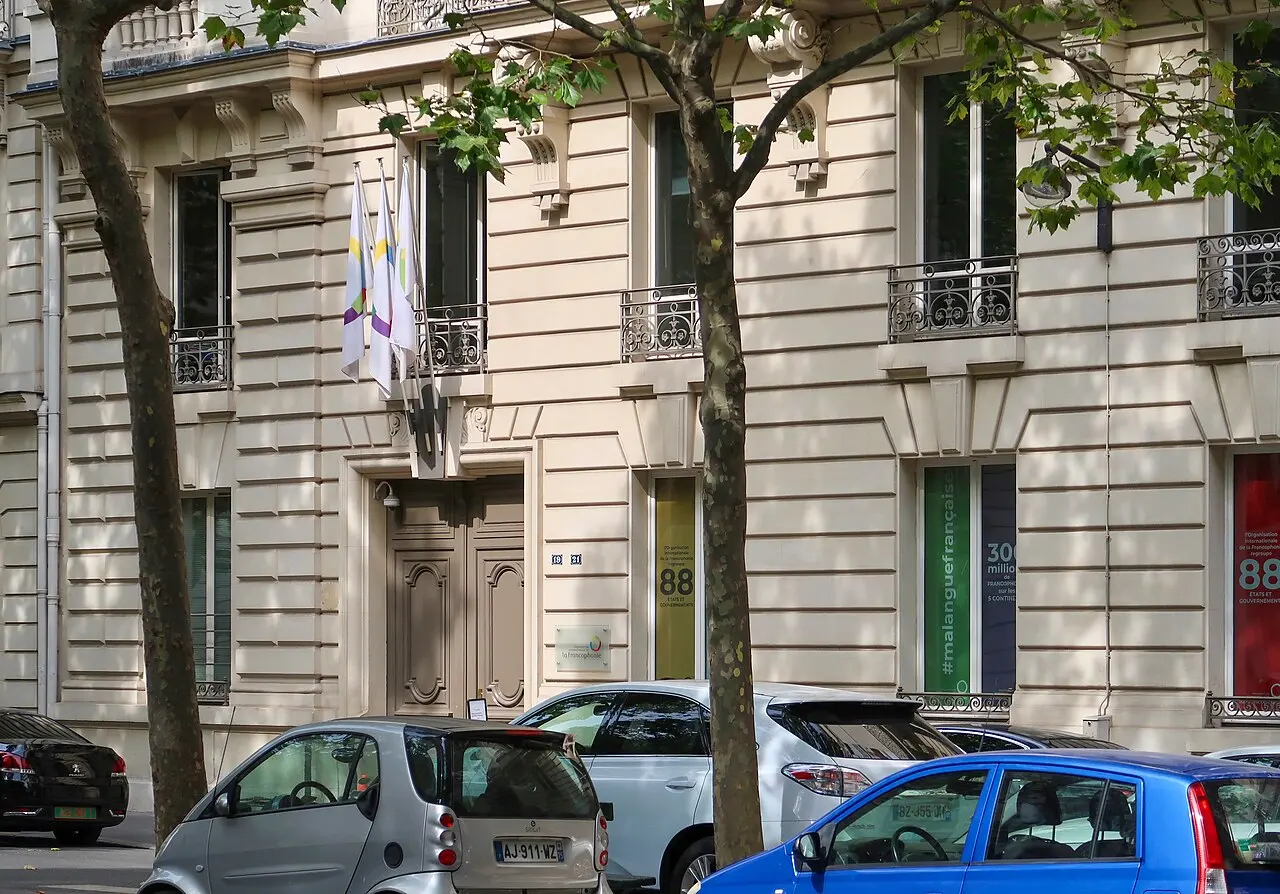
The International Organisation of La Francophonie (OIF) is embarking on a reform of how its secretary-general is chosen. A twelve-month transition period, resulting from a compromise announced on Monday 16 November, will in particular be used to set up a new electoral procedure, according to Congolese Minister of State and chief diplomat Thérèse Kayikwamba Wagner, who welcomed it on X.
The OIF now favours consensus when choosing its secretary-general. Failing agreement, a secret-ballot vote by simple majority remains possible. Differences that emerged at the Phnom Penh summit, however, led member states to postpone the election rather than immediately appoint a successor.
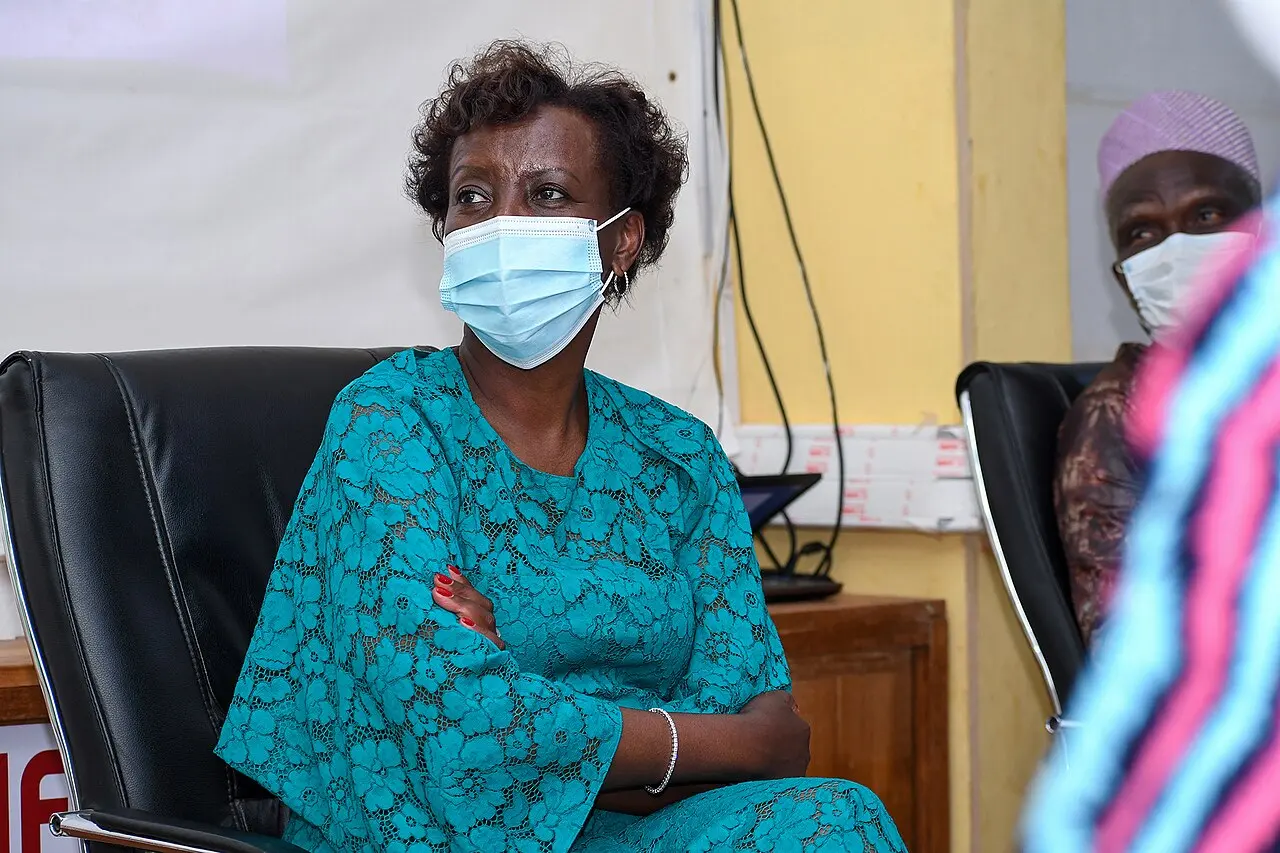
According to Thérèse Kayikwamba Wagner, candidacies already submitted may take part in the next process, and new candidacies will be allowed. The minister also indicated that this transition will not lead to the renewal of the current mandate of Louise Mushikiwabo, the OIF’s secretary-general. Congolese Minister of Communication and Media Patrick Muyaya welcomed this provision, judging that the position defended by Kinshasa had been taken into account.
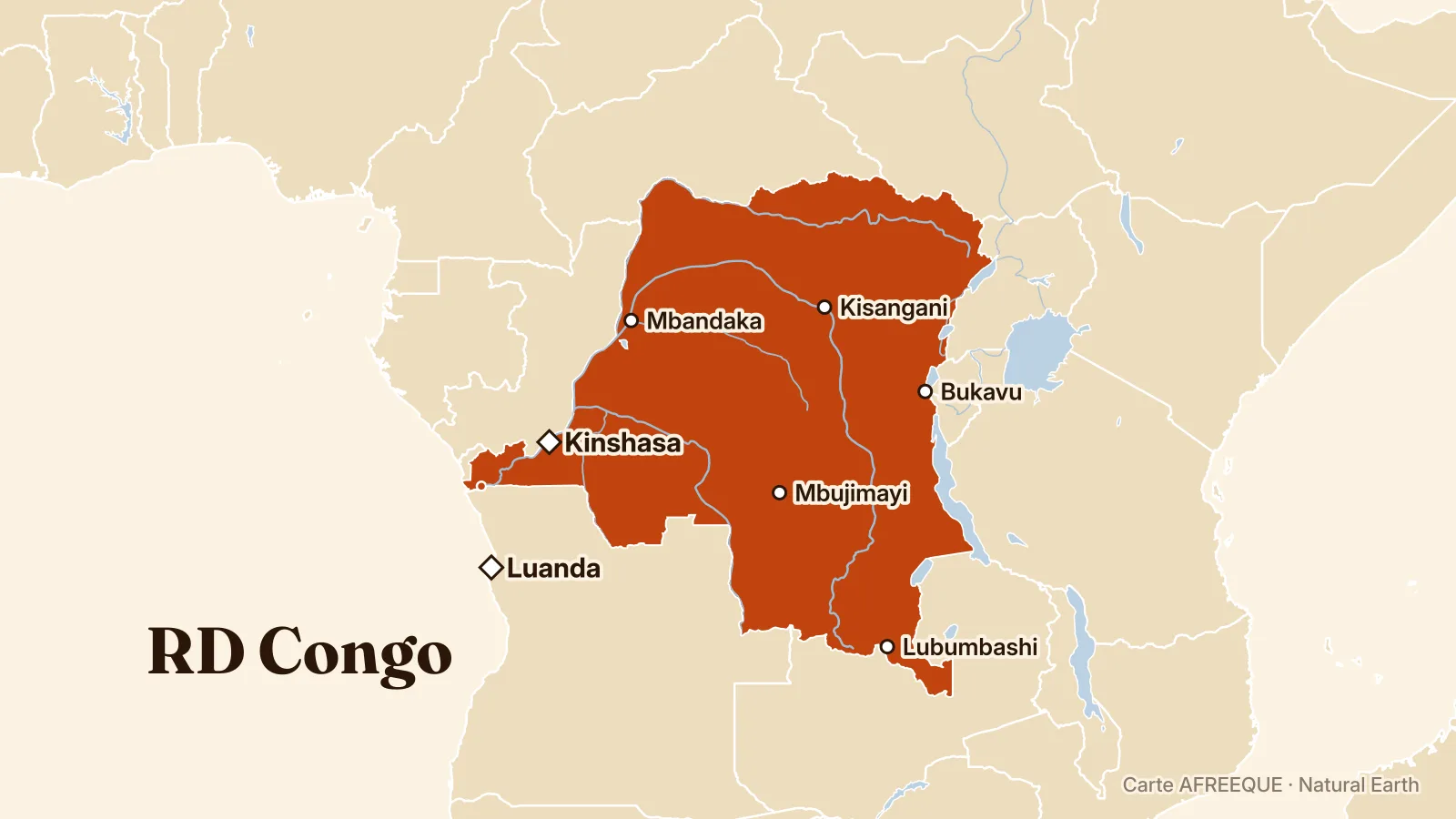
This announcement comes on the day the organisation’s 53 members were due to elect their secretary-general, a vote announced on 14 November. Two days earlier, the DR Congo had raised the possibility of reassessing its membership of La Francophonie.