The latest news from São Tomé and Príncipe, summarised in English from the local press: politics, business, society, culture and sport. 236 articles published.
✓Updated around the clock from 450+ African and international news outlets in 54 countries. Every article names its source. Our method
Teachers in São Tomé and Príncipe have launched a solidarity fund to provide financial and material support in the areas of well-being, training and innovation. The teachers' union is also calling for a review of the career status, deemed unfavourable to the most senior teachers, according to Téla Nón.
The Portuguese Navy vessel NRP Escorpião is due to replace the Centauro shortly to help monitor the territorial waters of São Tomé and Príncipe. Naval cooperation between the two countries includes training and the participation of São Toméan coastguard members in operations, Portuguese Ambassador Luís Leandro da Silva said, according to Téla Nón.
São Tomé and Príncipe’s Directorate of Social Protection, Solidarity and Family Affairs plans to train 500 beneficiaries of the Vulnerable Family Programme to start their own businesses by 2028. The initiative includes technical training, financial support and guidance in several sectors, with the aim of promoting families’ financial independence, according to the project consultant, Bleizy Costa, quoted by RSTP.
UNICEF and the government of São Tomé and Príncipe presented the findings of a study on knowledge, attitudes and practices relating to violence against children. The study aims to measure its prevalence and identify risk and protective factors to inform public policies, according to the presentation reported by RSTP.
A survey of 2,650 people in Cape Verde and its diaspora links electoral abstention to distrust of institutions, logistical difficulties and problems with voter registration. Preliminary findings were presented by José Agnelo Sanches, administrator of the International Centre for Strategic Studies and Development, according to Expressodasilhas.
General elections on 27 September in São Tomé and Príncipe were preceded by a campaign described as peaceful and respectful, a sign of political maturity. In this opinion piece, Téla Nón defends debate over policy programmes rather than violence and personal attacks, and calls for this example of civic responsibility to be preserved.
São Tomé and Príncipe has recorded no deaths linked to malnutrition this year, a first according to Clara de Sousa, head of the National Nutrition Plan. The country currently has only three national nutritionists, but 13 new graduates are expected to join the sector soon; nutrition teams also report a decline in cases of acute malnutrition, according to the Lusa news agency.
In São Tomé, the capital of São Tomé and Príncipe, about 9,000 people aged over 65 live, many of them in extreme poverty, while the Simoa Godinho home already houses 94 residents for 91 places. The situation calls for urgent public policies against abandonment and abuse, according to Téla Nón.
Cerineu Campos Renner examines the sustainability of São Tomé and Príncipe’s public debt and its links to intergenerational equity. His analysis, drawn from a master’s thesis in public finance, focuses on legal limits on borrowing by small island developing states, according to Téla Nón.
São Toméan President Carlos Vila Nova plans to receive the party that came first in the legislative elections and check that it has sufficient parliamentary support before appointing the next government. The move aims to preserve political stability, he explained in an interview with RFI, following the vote on Sunday 27 September.
The European Union Election Observation Mission considers São Tomé and Príncipe’s parliamentary elections orderly and well organised. Its assessment comes at the end of an electoral cycle marked by high abstention and accompanied by a call for judicial reform, according to the mission.
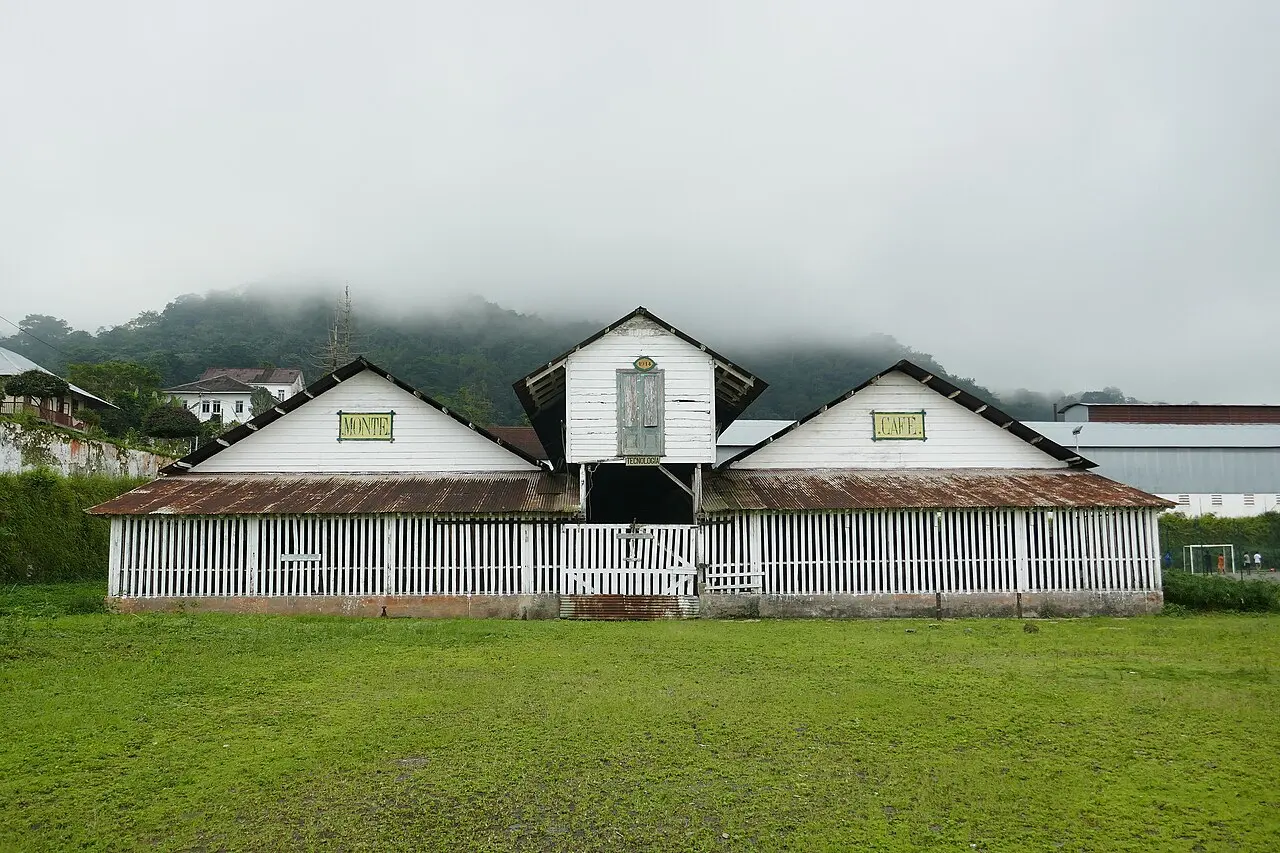
São Tomé and Príncipe marks the 51st anniversary of the nationalisation of the roças, former plantations that long shaped the archipelago’s economy. On 30 September 1975, two months after independence, their nationalisation marked a major step in national history, while their cultural heritage was recognised in 2026 as a UNESCO World Heritage site.
João Bonfim has resigned as president of the Democratic Convergence Party (PCD) following the defeats recorded in the municipal, regional and legislative elections on 27 September. The decision comes after voters rejected the strategic line he had secured at the party’s congress, according to Téla Nón.
São Tomé and Príncipe is asking the UN for climate finance based on justice rather than charity, amid flooding and global inflation. Minister Ilza Maria dos Santos is advocating partnerships and says the cost of the crisis should not be borne by the countries that pollute least, according to UN Radio.
The Bué Fixe Association completed a cycle of three workshops on prevention and health on 29 September 2026 at the National Library of São Tomé and Príncipe. Launched in July, the project brought together around 122 participants, according to Téla Nón.
The eighth edition of São Tomé and Príncipe’s national advertising prize will take place in March 2027, after applications open from 1 to 31 January. Entries will be published on 9 February and assessed from 8 to 12 February by a jury chaired by Lígia Spencer, according to the organisers.
São Tomé and Príncipe’s gross domestic product grew by 8.9% in the second quarter of 2026, while real gross value added increased by 9.7% year on year. Agriculture surged by 32.6% and manufacturing industries by 5.5%, according to data from the National Statistics Institute.
Casimiro de Pina, a jurist who came third in the 2021 presidential election, announces a new bid for the presidency of São Tomé and Príncipe. He places the defence of the Constitution and the rule of law at the heart of his campaign and criticises the role of political parties and certain decisions by José Maria Neves.