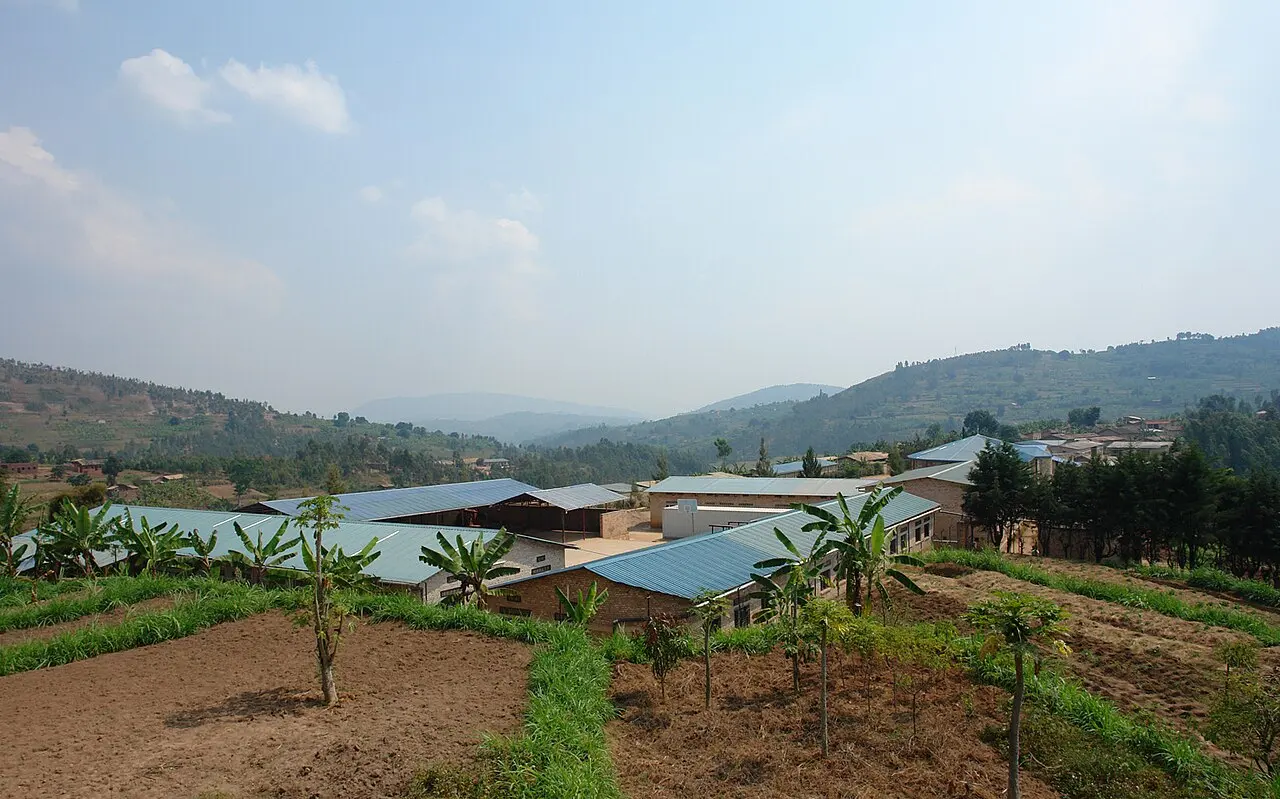
Rwanda is preparing an integrated agricultural strategy to replace isolated interventions. It will combine irrigation, crop genetic improvement, agroforestry, environmental conservation and climate resilience to support the country’s future agricultural policies.
The Rwandan government is seeking a new investor to revive the Gisagara peat-fired power plant. The project faces persistent difficulties with fuel supplies, limiting its operations and its capacity to contribute to national electricity production.
Rwanda has secured 40 million euros, equivalent to approximately 68 billion Rwandan francs, in support from the European Union. The funding is intended to support the transformation of the country’s agriculture through investments focused on sustainable practices that are more resilient to climate change.
Rwandan police chief Felix Namuhoranye received his Jordanian counterpart Obeidallah Maaitah to deepen cooperation in policing and public security. The high-level meeting aims to strengthen exchanges between the two national institutions, according to the Rwandan police statement.
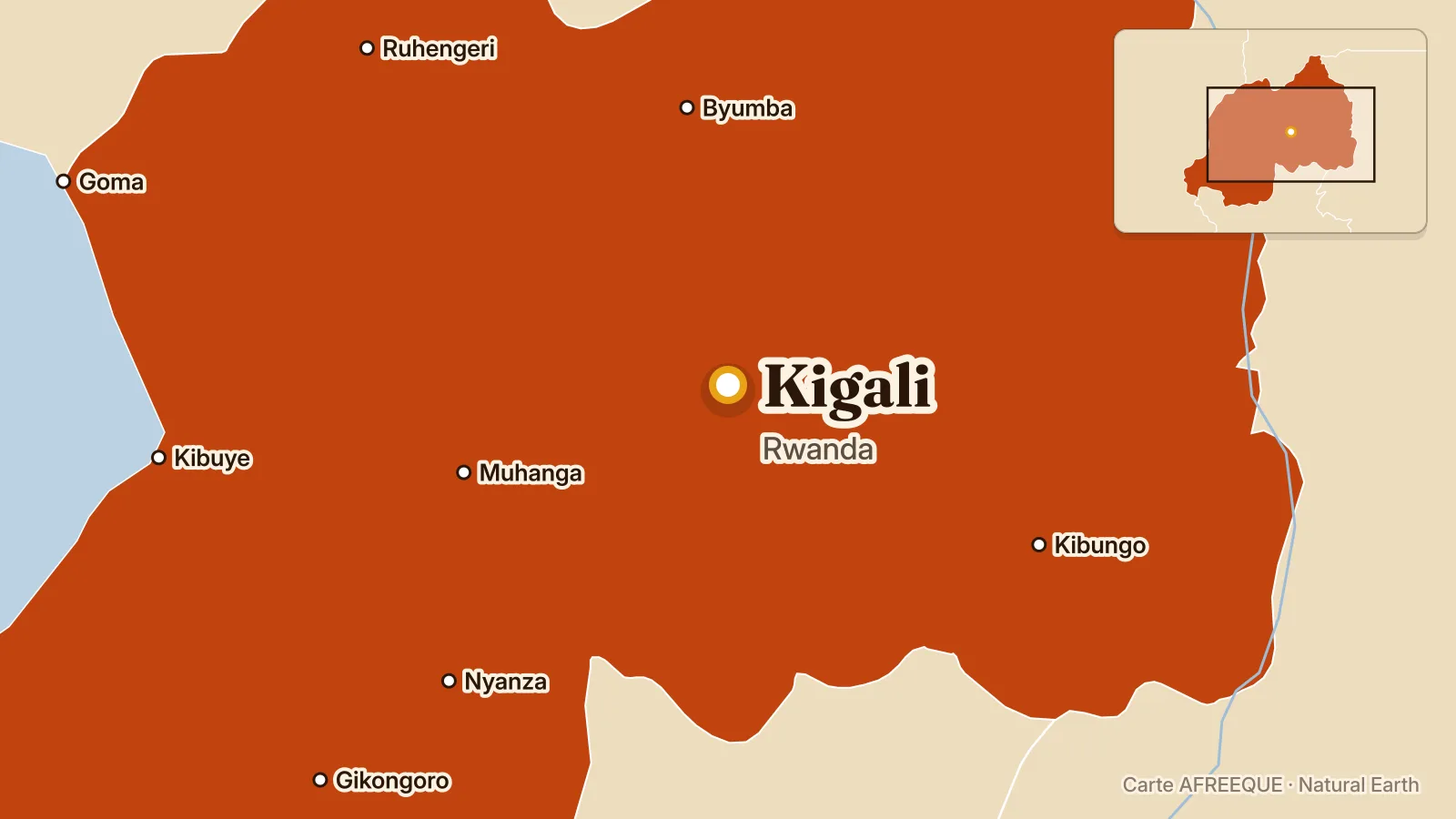
Italy has announced in Kigali the opening of negotiations with Rwanda to establish a centre for the return of migrants. The project is part of a new European strategy aimed at speeding up return procedures, according to the information available in the article.
Companies operating in Rwanda’s industrial parks will have to pay an annual contribution of 1 dollar per square metre from January 2027. The measure is intended to fund infrastructure maintenance and strengthen oversight of factories outside designated zones, according to Trade Minister Antoine […].
Rwandan authorities have closed 101 more facilities manufacturing dangerous alcoholic drinks. The operation is part of an expanding nationwide campaign against alcoholic products unfit for consumption, aimed at trying to curb a deadly public health crisis.
Rwanda’s Senate is concerned about the growing number of industrial zones and the risks associated with insufficient coordination, particularly rising land prices. These concerns were raised during a government presentation on improving infrastructure and services, according to Rwanda Dispatch.
Toxic or substandard alcoholic beverages were linked to more than 500 hospital admissions and at least 50 deaths in Rwanda during the first six months of 2026. Health Minister Sabin Nsanzimana announced a stepped-up national crackdown on their production, according to Rwanda Dispatch.
The World Bank’s new Country Partnership Framework with Rwanda will guide its support from July 2026 to June 2035. Consultations focused on job creation, developing market-relevant skills and strengthening the private sector.
In Kigali, senior Rwandan officials are increasingly appearing at fitness-related activities alongside their official duties. Their presence, usually associated with national ceremonies and development projects, is helping to make sporting activities a topic of public discussion.
After several years devoted to expanding access to education, building classrooms and recruiting teachers, Rwanda has announced major reforms. They aim to improve academic performance, as millions of children are now enrolled in school across the country.
The Rwandan government has closed eight alcoholic beverage factories and ordered the recall of at least 38 brands. The decision, announced in Kigali, comes amid a deadly health crisis and affects the alcoholic beverage production and marketing sector in Rwanda.
For nearly three decades, the Rwanda International Trade Fair has assessed its success partly by the number of exhibitors and countries represented. In Kigali, the minister stressed that the visibility gained through the exhibition can be as valuable as the product being presented.
Rwanda’s AgriShow 2026 agriculture and livestock exhibition has ended at the Mulindi Showground with several agricultural innovators receiving awards. Held over ten days, the 19th edition brought together more than 600 Rwandan and foreign exhibitors to showcase technologies and the transformation of food systems.
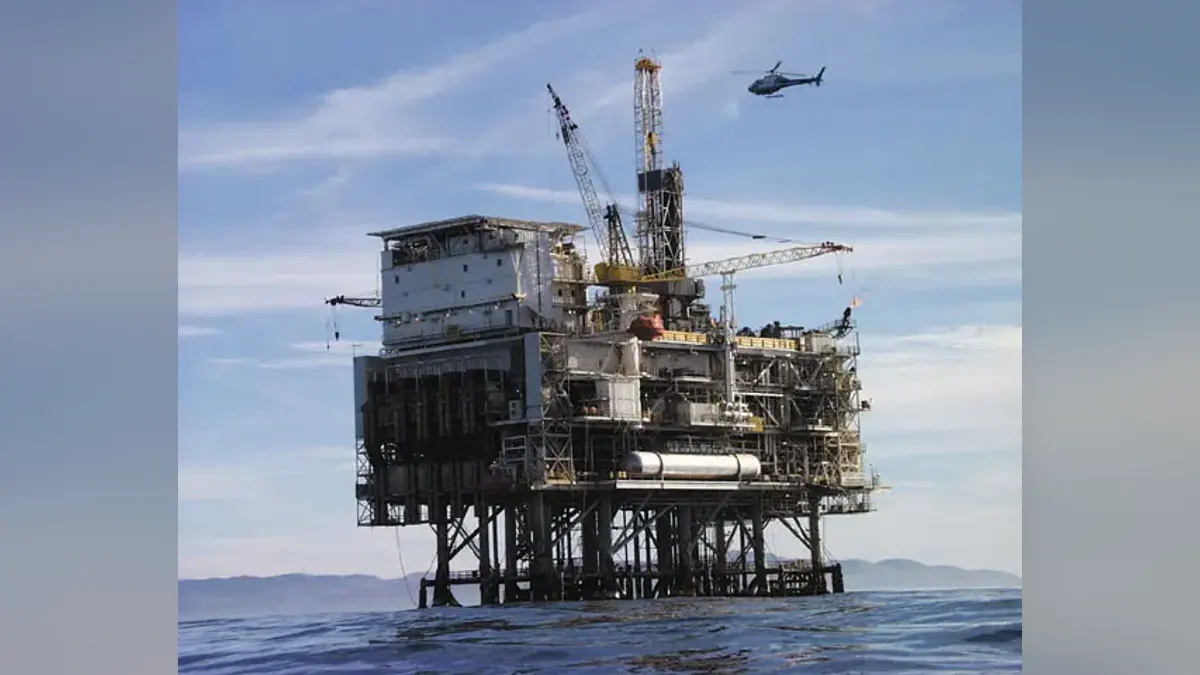
Fuel consumed in Rwanda travels along a long international supply chain, from extraction in the Gulf’s desert regions to refining in India and maritime transport. The article thus describes the country’s dependence on energy supplies controlled abroad, according to Rwanda Dispatch, which analyses this global system.
A recent study by the United Nations Economic Commission for Africa highlights Rwanda’s economic performance and social progress. The report, prepared by the commission’s East Africa subregional office, emphasises the country’s economic resilience and inclusive development.
Rwanda has returned 39 people to DR Congo who had previously been repatriated under a programme to disarm and reintegrate former Rwandan combatants and their dependants. Kigali says the operation took place in the presence of MONUSCO officials, a claim disputed by the UN mission in a statement published on 31 July.