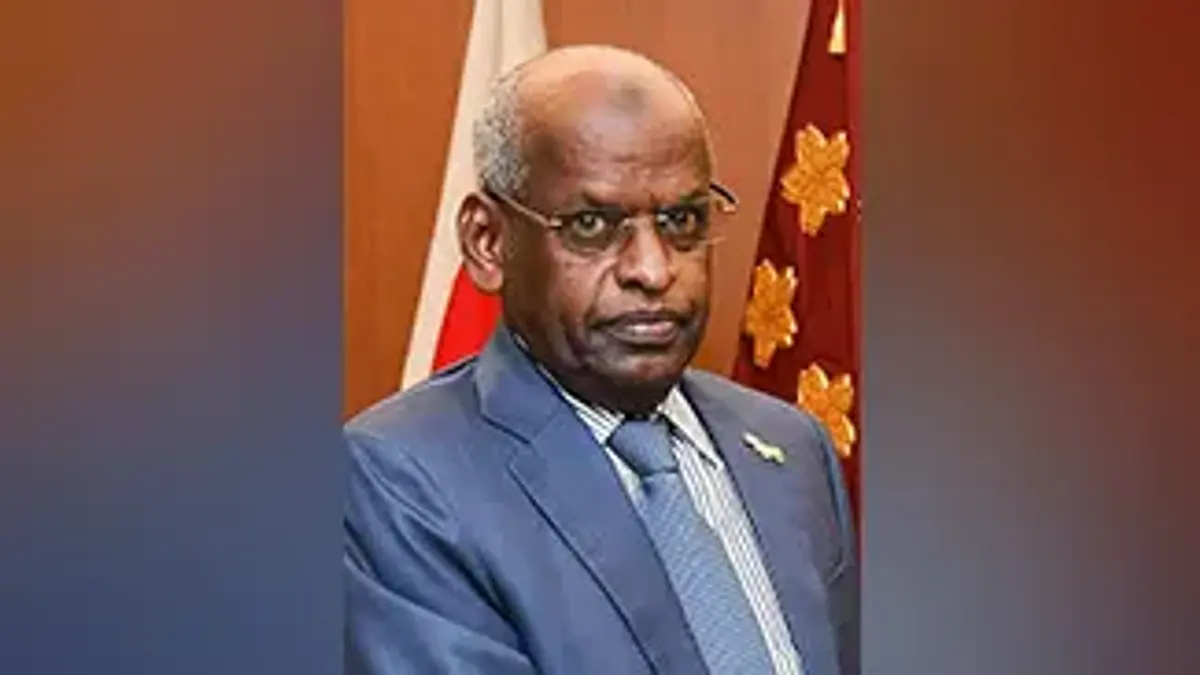
Mohamed Ismail Nour, director-general of Djibouti’s National Meteorological Agency, explains that El Niño and the Indian Ocean Dipole influence climate variability in the Horn of Africa. The interview highlights that these phenomena do not systematically cause flooding in Djibouti, according to the interview published by the source.
The second phase of a training course on rules of origin has begun in Djibouti, bringing together around 20 Djiboutian customs officers. Supported by the European Union and led by two experts from the World Customs Organization, the session is due to continue until Thursday 1 October 2026, according to the Djibouti News Agency.
As El Niño approaches, Djibouti’s authorities have launched a preventive operation to reduce the risk of flooding in the capital. The Djibouti Prefecture confirmed the mobilisation to the Djiboutian Information Agency on 27 September 2026, stating that the initiative aims to limit the potential impact of the climate phenomenon, according to ADI.
In a message published on 27 September 2026, Djibouti calls for de-escalation and for disputes to be settled through dialogue, in the name of peace and stability in the Horn of Africa. The Djiboutian Information Agency (ADI) reports this position, without specifying the dispute concerned.
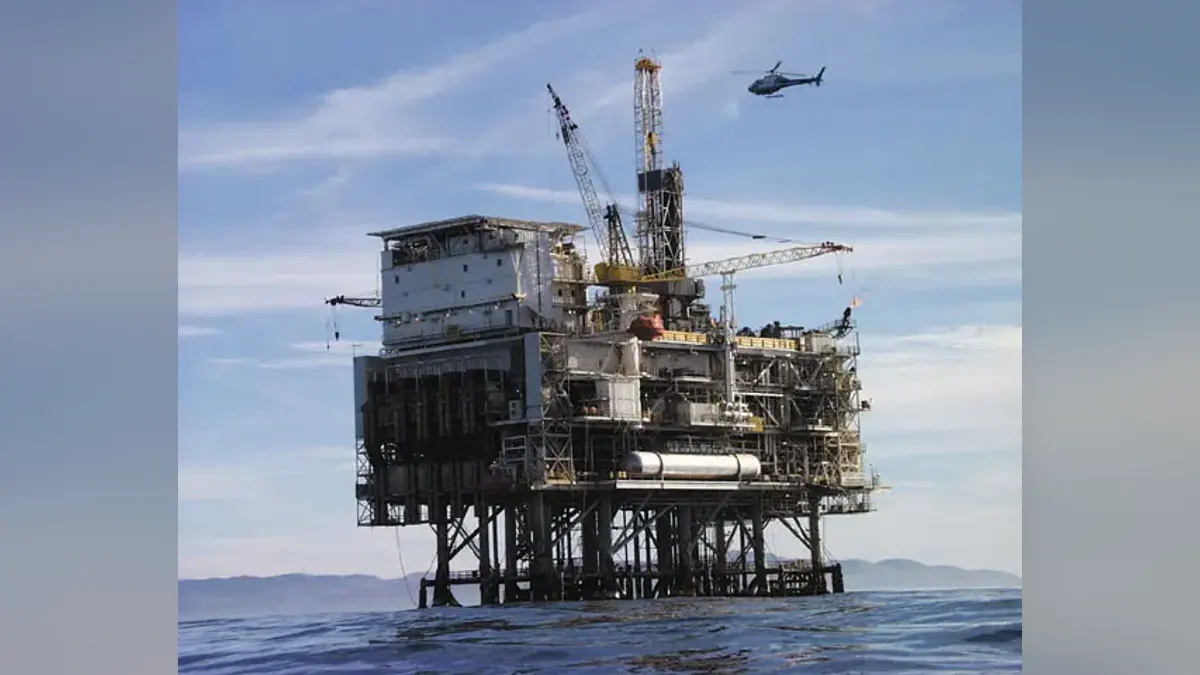
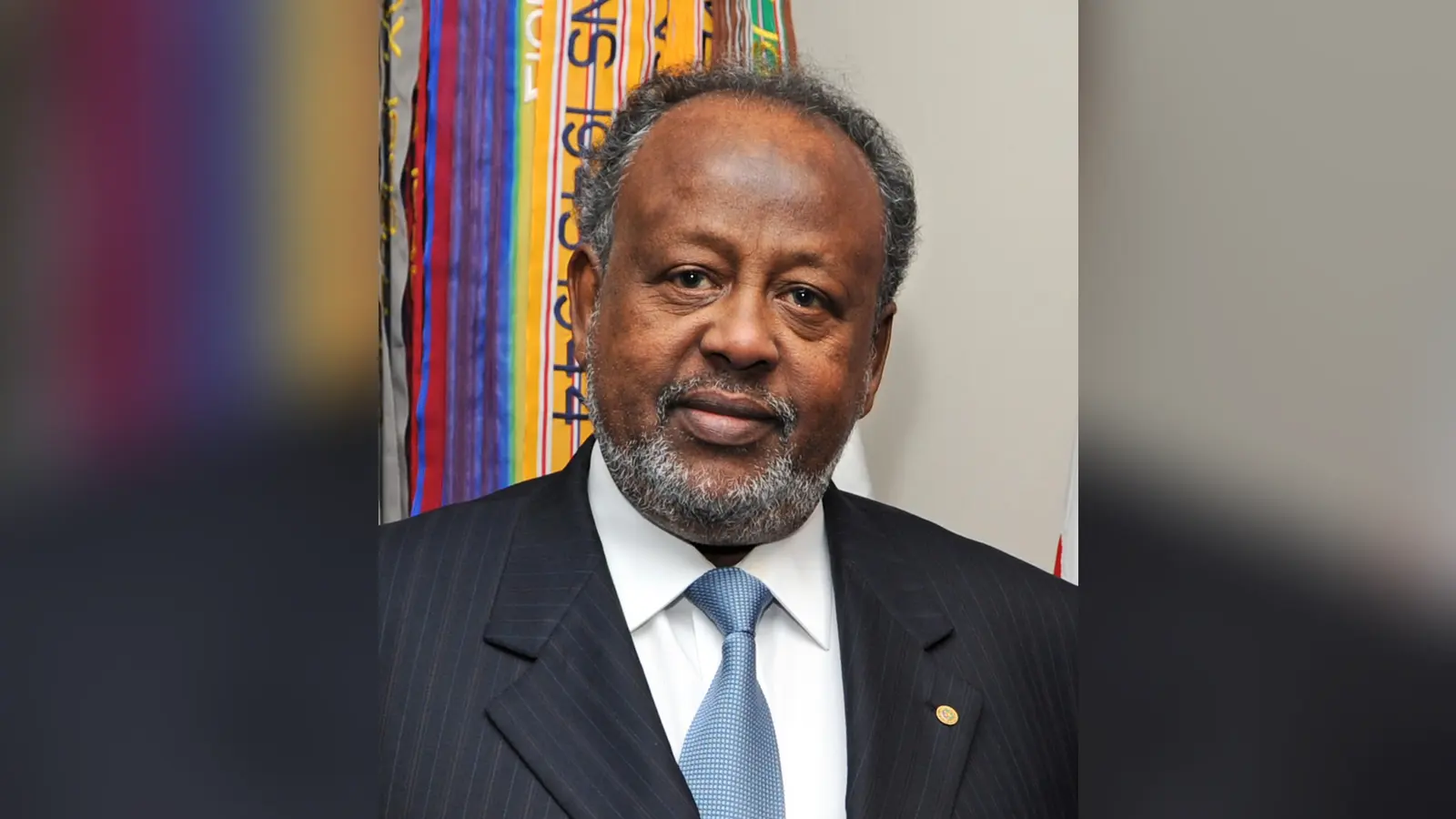
Djiboutian President Ismaïl Omar Guelleh has launched construction on two energy infrastructure projects at Damerjog Industrial Park: an oil products storage terminal and transport facilities. The work includes oil pipelines, according to an account of the ceremony held last Thursday.
The Indian Embassy organised several events in Djibouti dedicated to gastronomy, music, language, traditions and Ayurveda. The series included a food festival, the celebration of Hindi Diwas and a day dedicated to Ayurveda, bringing together the Indian diaspora, according to La Nation.
Work has begun on a 120-kilometre oil corridor linking the Damerjog terminal in Djibouti to Dawenlé in Ethiopia. The facility is intended to store and transport fuel between the two countries, according to La Nation.
Djibouti’s President Ismaïl Omar Guelleh spoke on 24 September 2026 at the launch of the Damerjog energy project, defending energy sovereignty and Africa’s ability to build its infrastructure. The ceremony took place in the presence of the prime minister, according to La Nation.
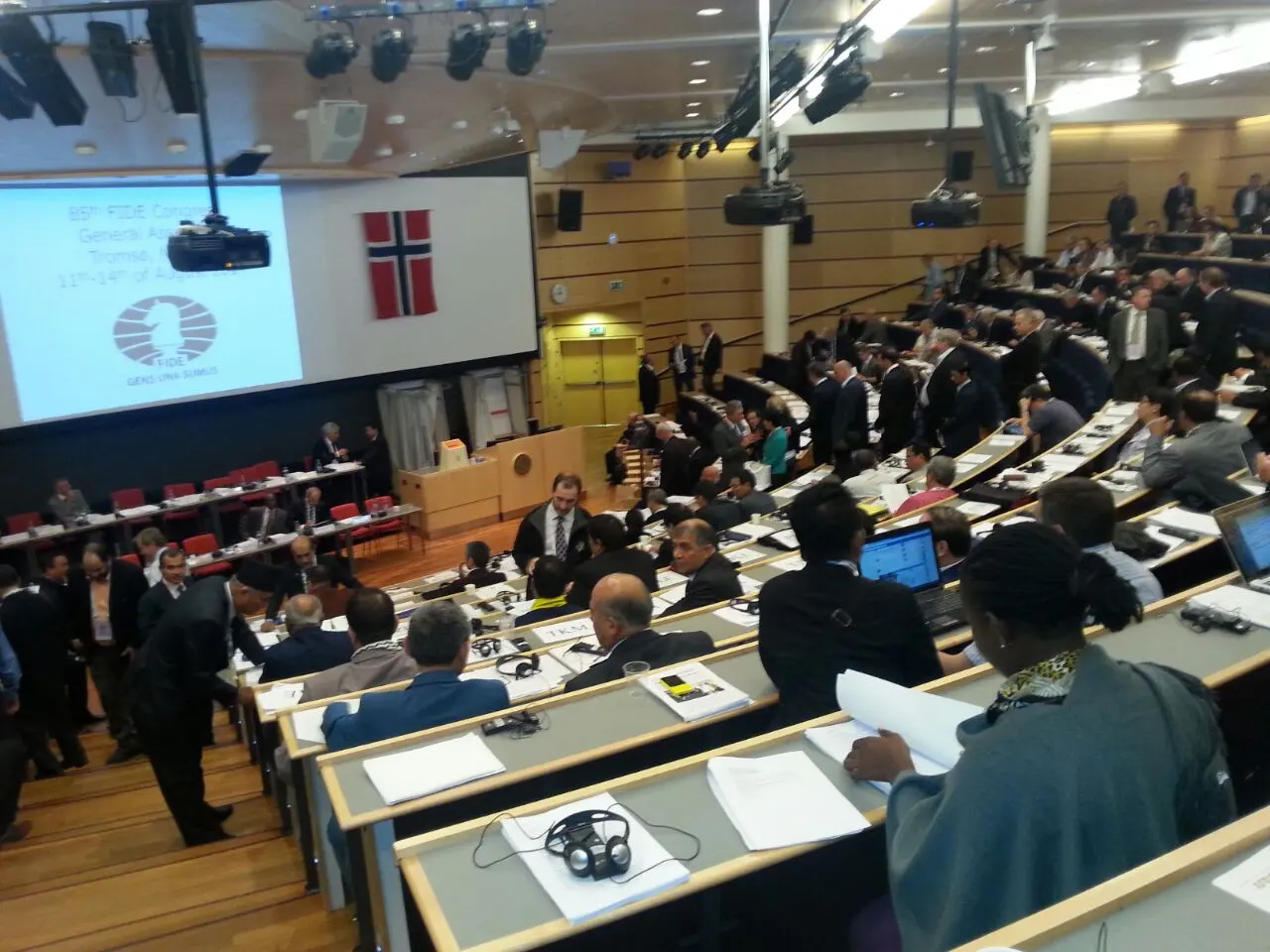
Djiboutian Yassin Souleiman Hassan has been elected vice-president of the International Chess Federation (FIDE). His election took place at the elective general assembly held on 26 September in Samarkand, Uzbekistan, according to the Djibouti News Agency (ADI).
In Djibouti, President Ismaïl Omar Guelleh chaired the tenth Council of Ministers session on 22 September, which examined and approved several texts. The 2025 accounts of the Diwan of Waqf Properties show FDJ 706.6 million in revenue, FDJ 687.7 million in expenses and a net profit of FDJ 18.9 million, according to ADI.
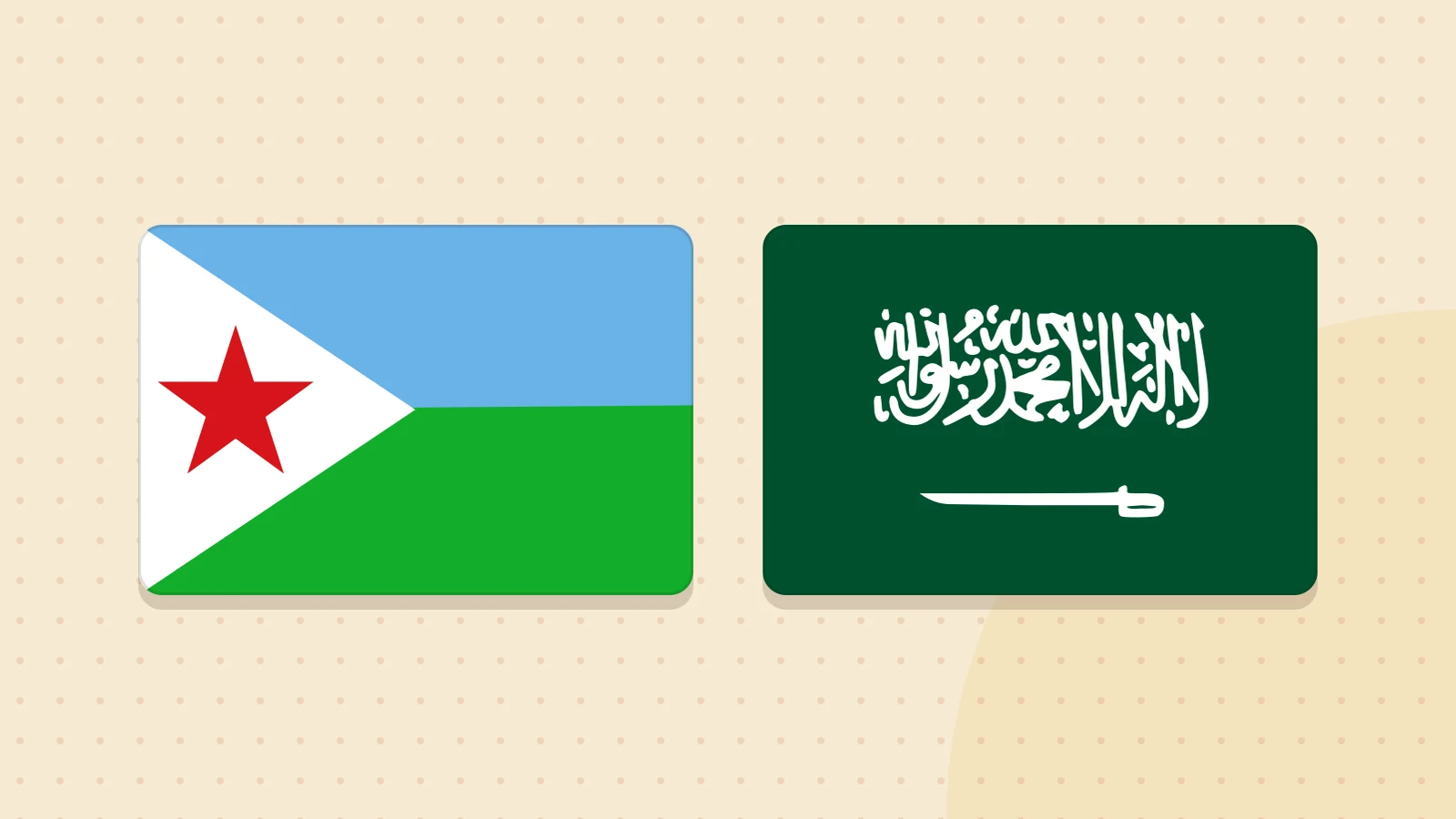
Djibouti’s Energy Minister, Djama Mohamed Hassan, met Saudi Ambassador Metrek bin Abdullah Al-Dossari to discuss deepening the energy partnership. The talks covered several areas of cooperation between the two countries at a meeting held on Sunday 20 September, according to the account provided.
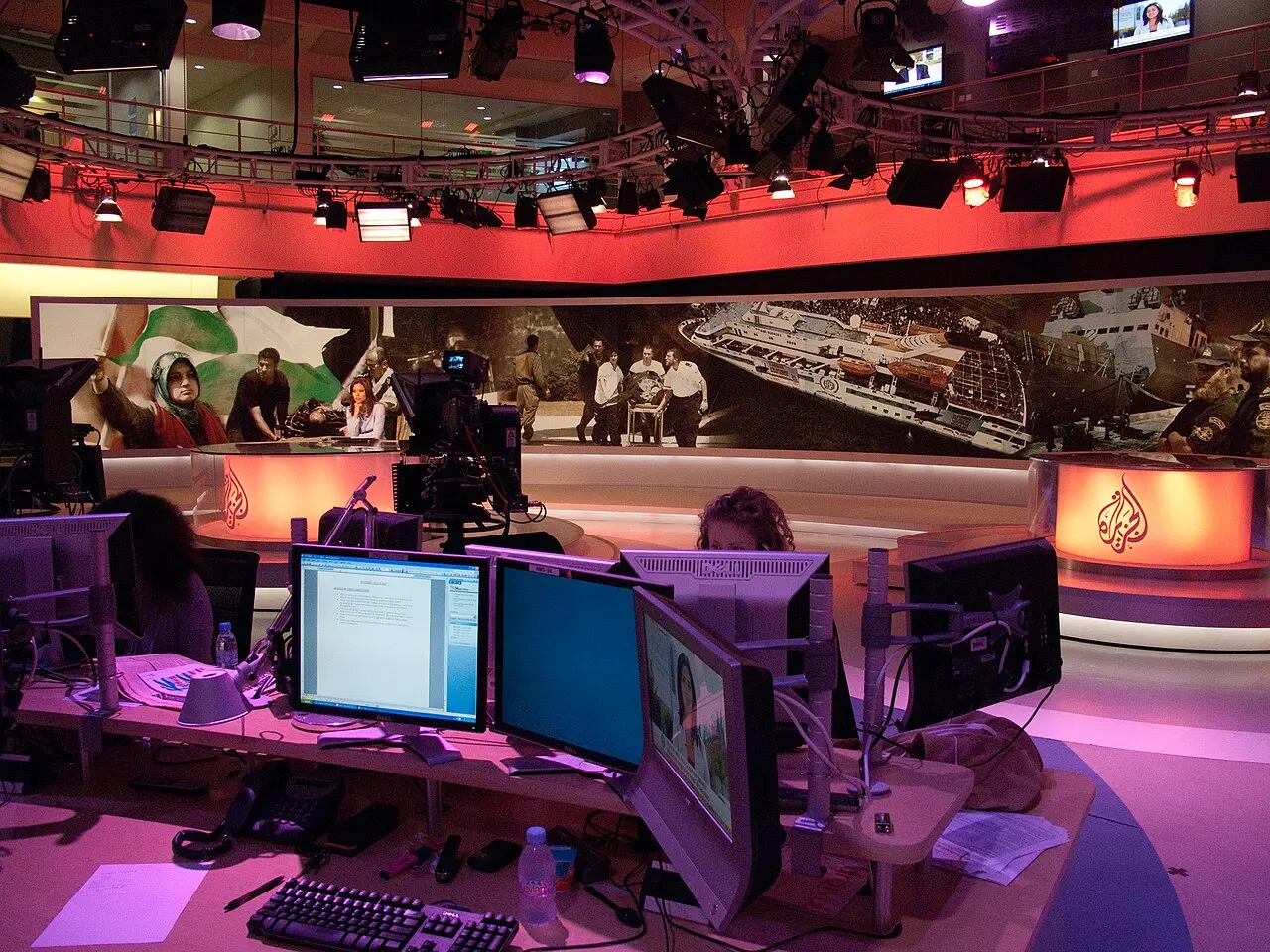
Djibouti’s Minister of Communication, Mohamed Abdoulkader Moussa Helem, received Mohamed Taha Tewekel, head of Al Jazeera’s bureau in Ethiopia, to explore opportunities for media cooperation. The meeting focused in particular on a potential media partnership, according to La Nation.
A technical workshop on Action-Based Forecasting brings together experts and representatives from several sectors in Djibouti. The meeting is expected to improve links between weather forecasts, anticipated risks and protective measures, according to the announcement.
South African investigative journalist Micah Reddy and Kooki Mahmoud, his local fixer, have been missing in Djibouti since Saturday 19 September. Their families and colleagues are demanding explanations from the Djiboutian authorities, according to RFI.
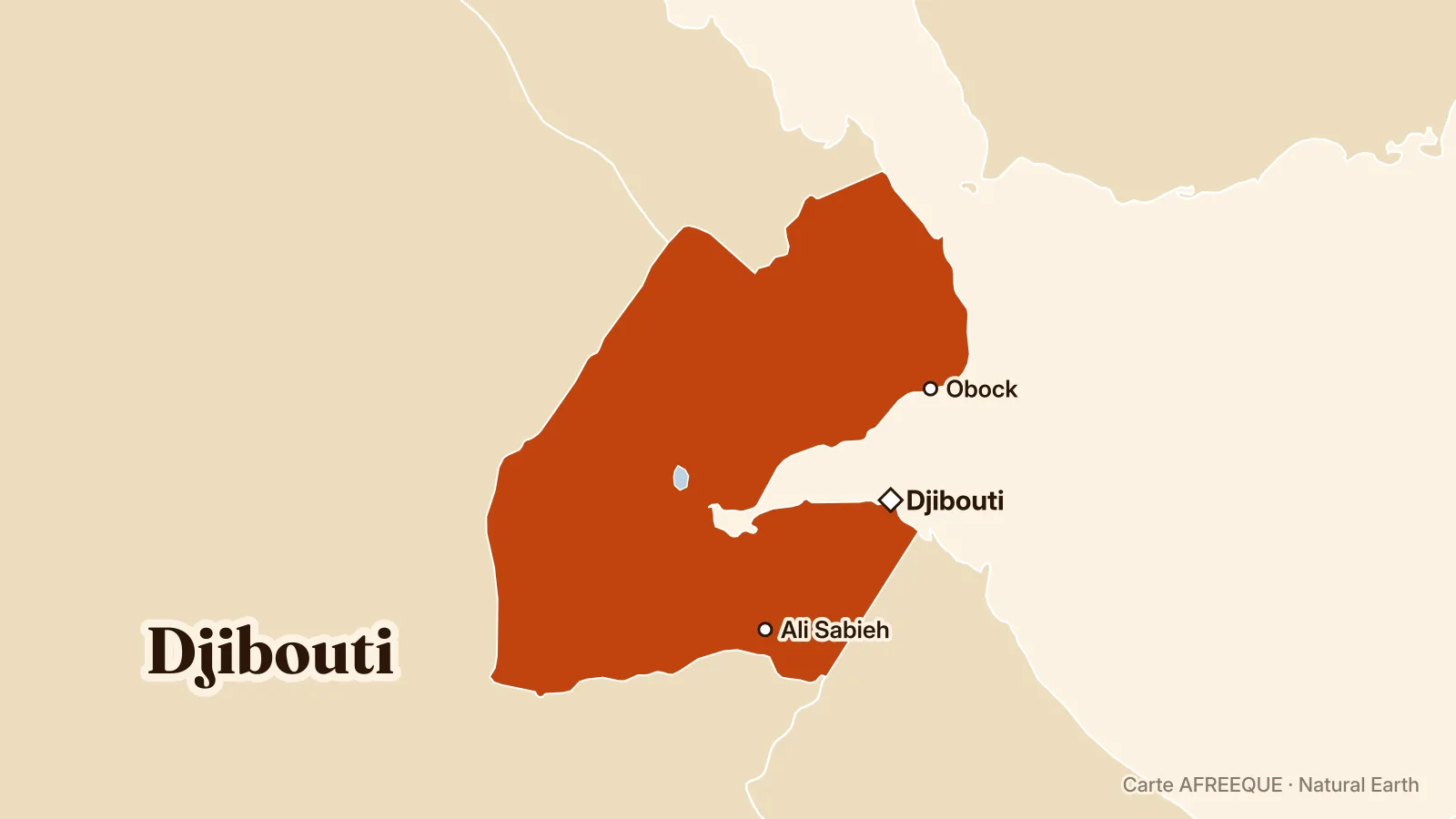
Djibouti’s Prime Minister Abdoulkader Kamil Mohamed chaired a meeting on the humanitarian situation in the Obock region, where new Yemeni refugees have arrived in Godoria and Moulhoulé. The meeting was intended to coordinate the authorities' response to these arrivals in the north of the country, according to the Djibouti Information Agency.
Djibouti’s Prime Minister Abdoulkader Kamil Mohamed travelled to the Obock region to assess the mass arrival of Yemeni refugees on the country’s coasts. He reviewed the reception arrangements put in place by the authorities, accompanied by the Foreign Minister, according to La Nation.
Djibouti’s Minister of Economy and Finance, Ilyas Moussa Dawaleh, received Ousmane Dione, Regional Vice-President of the World Bank Group, accompanied by a delegation. The meeting was intended to review cooperation between the institution and Djibouti, but the account provided cuts off before its conclusions.
Representatives of the Djiboutian state, the private sector and international partners took part in a public-private dialogue on the future of the energy system. The meeting focused on the role of energy in Djibouti’s economic transformation, according to La Nation.