




























Chad joins 16 global food crisis hotspots
By the AFREEQUE newsroom, based on Toumaï Web Médias

Chad joins the 16 food crisis hotspots identified in a joint report by the FAO and WFP, published on 27 November 2026. The situation is expected to remain worrying from December 2026 to May 2027, driven by the conflict in Sudan, the arrival of refugees and agricultural and economic difficulties, according to the two agencies.
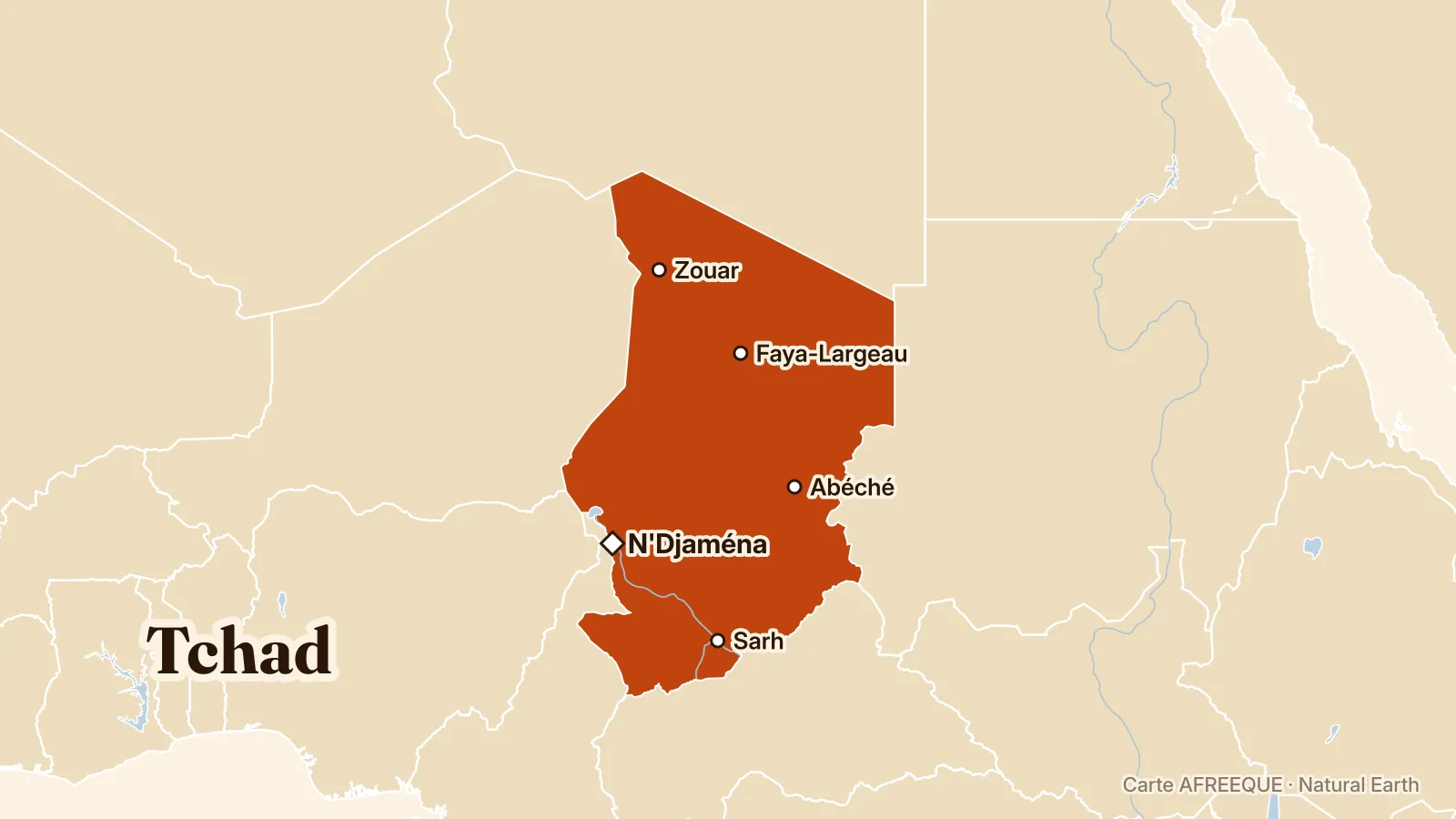
Chad joins the 16 food crisis hotspots identified worldwide by the FAO and WFP, which forecast a worrying situation between December 2026 and May 2027. The joint report, entitled “Hunger Hotspots” and published on 27 November, links this deterioration to the conflict in Sudan, the arrival of refugees and economic difficulties, according to the two UN agencies.
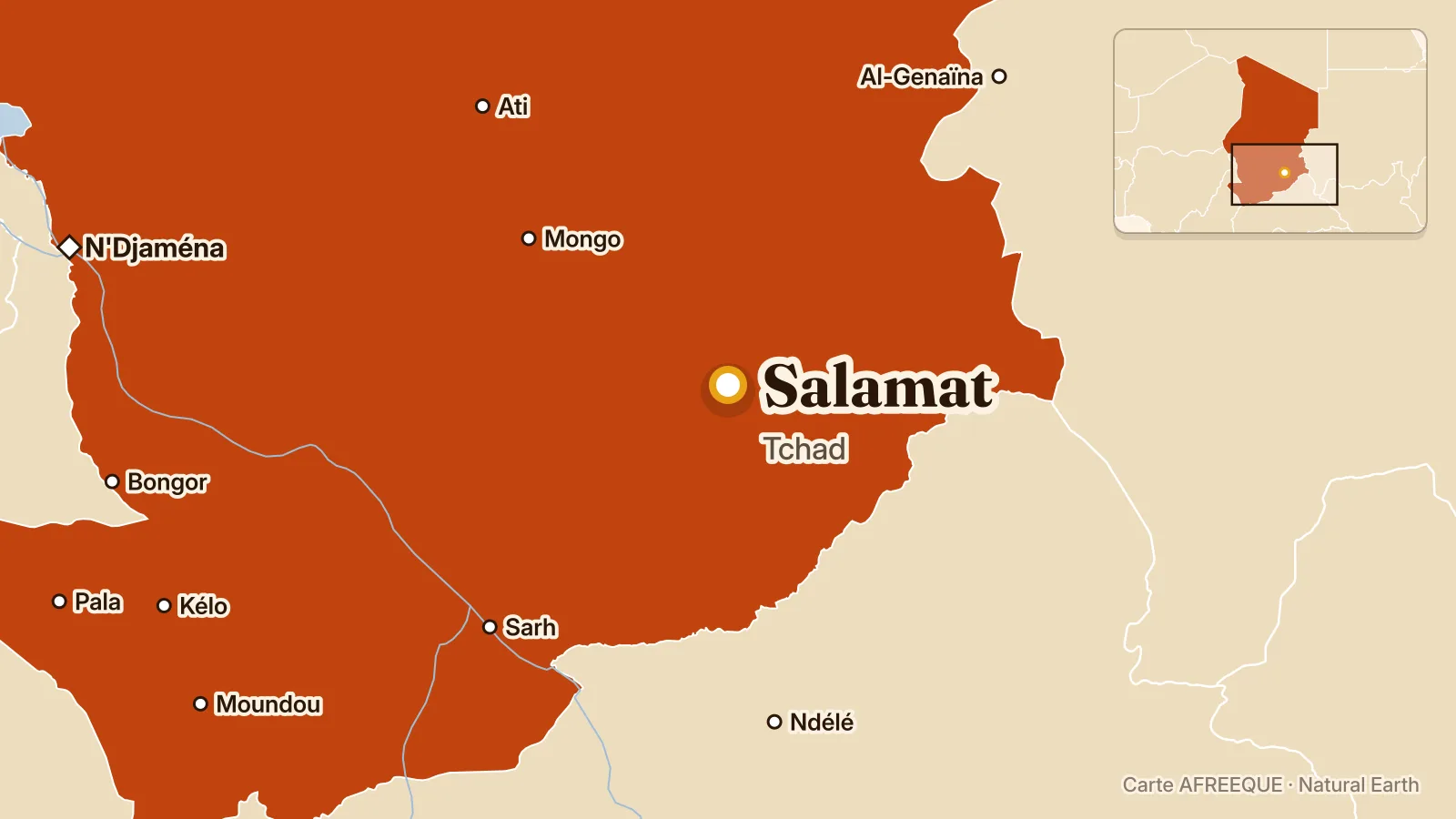
At the end of August 2026, the country was hosting nearly 943,000 Sudanese refugees and 401,000 Chadians who had returned from abroad. The east of the country, where a large proportion of these populations are concentrated, is facing increased pressure on resources and livelihoods. Delayed rains, drought and deteriorating pastureland have also affected crops and livestock farming.
Between June and August 2026, 3.2 million people, representing 17% of the population analysed, were facing crisis-level food insecurity or worse, including 241,000 in the emergency phase. More than 40% of households surveyed in six provinces reported a decline in their income in August, while 34% identified rising food prices as the main economic shock.
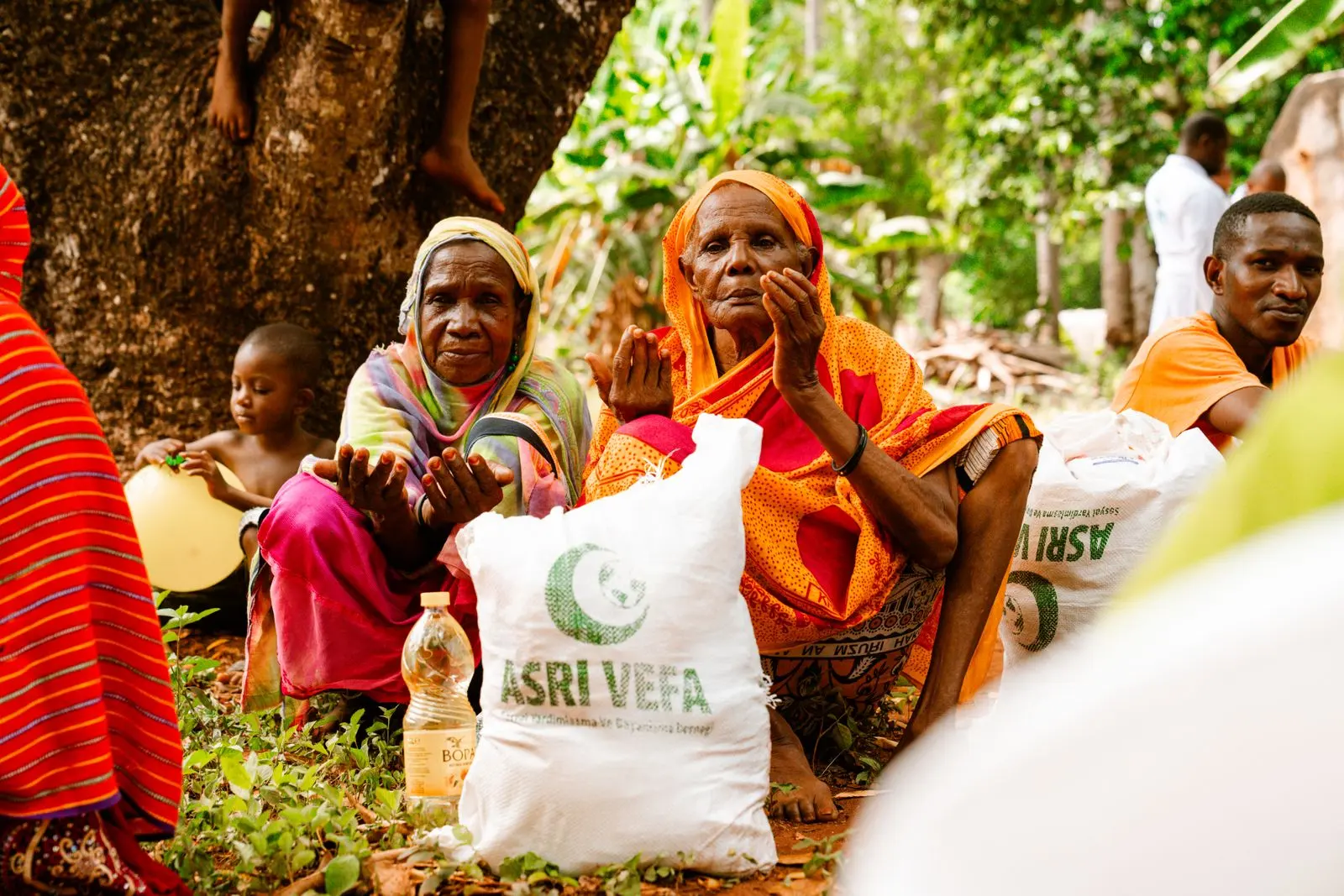
The FAO and WFP recommend maintaining food assistance and cash transfers for refugees, returnees, displaced people and host communities. This warning follows the publication of a report on hunger in 16 regions, including Sudan, on 27 November, followed by one focusing on the decline in humanitarian aid, on 28 November.