
















Famine: humanitarian aid falls 62% between 2022 and 2025
By the AFREEQUE newsroom, based on Mali Actu, Al Jazeera, Citizen Digital, TimesLIVE and Sowetan
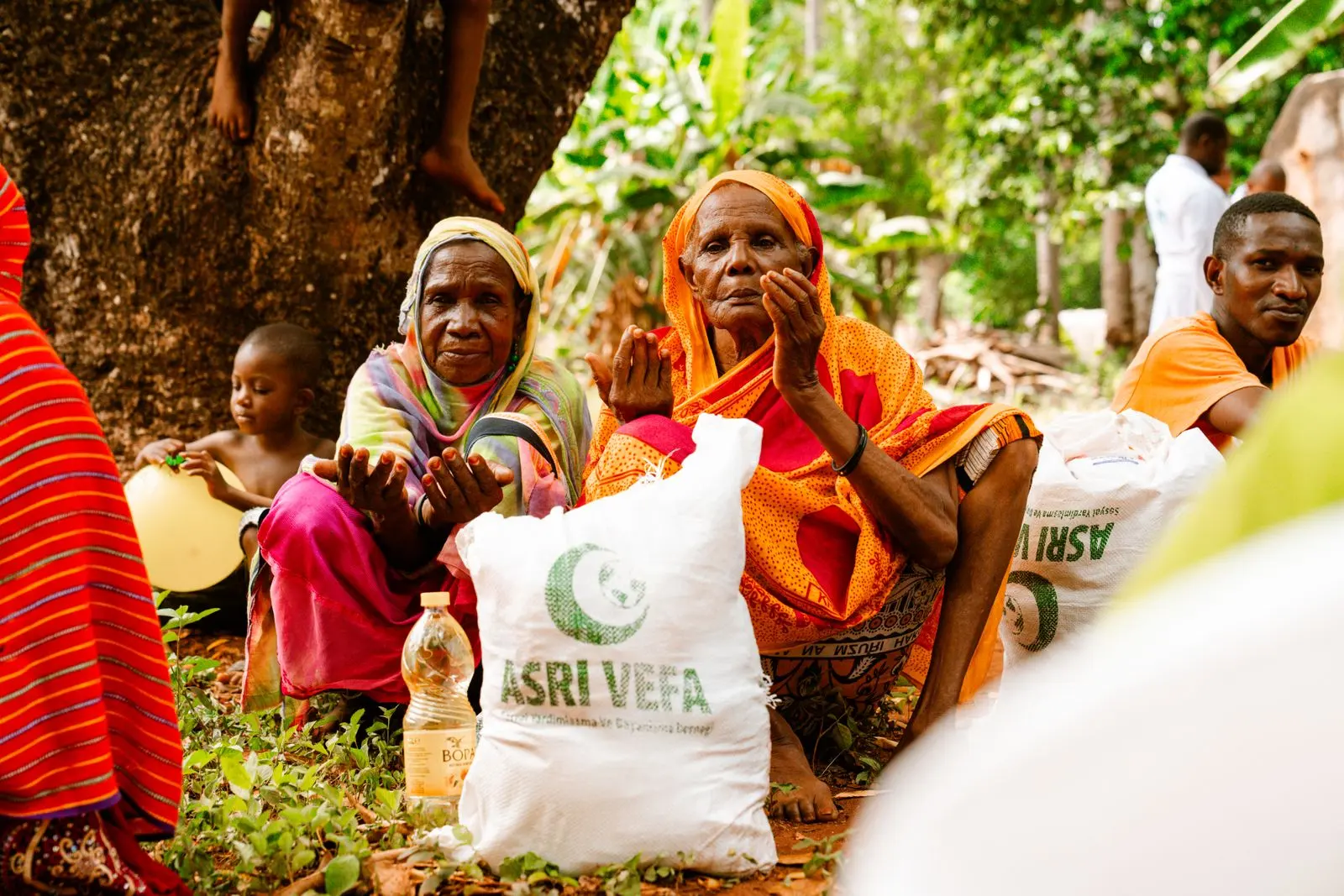 Illustrative image · Şeyhmus Kino · Pexels · Licence Pexels
Humanitarian funding for food crises fell by 62% between 2022 and 2025, from $5.1 billion to $2 billion, according to Al Jazeera, citing a joint report by FAO and WFP published on 27 November 2026. The two agencies warn of 16 crisis hotspots where hunger could worsen by May 2027, mainly as a result of armed conflicts and extreme climate phenomena.
The number of areas facing a worsening of hunger rose from 13 in June to 16 in the new report by the Food and Agriculture Organization (FAO) and the World Food Programme (WFP). Sudan, South Sudan, Somalia, northern Nigeria and Yemen face the highest risks, according to the two UN agencies.
Chad, Uganda, several regions of southern Africa and the Central American Dry Corridor are among the newly identified areas. Lebanon, by contrast, has left the list. Conflict and violence are the main driver of food insecurity in 12 of the 16 hotspots. Rising prices of food, energy and transport also reduce people’s ability to feed themselves.
The El Niño phenomenon is expected to reach exceptional intensity in the coming months, according to the World Meteorological Organization. It is contributing to the deterioration of the situation in southern Africa, north-eastern Uganda and Central America. In Sudan, 13 areas of North Darfur and South Kordofan remain under threat of famine until January 2027, notably because of fighting that disrupts agricultural production, markets and the delivery of aid.
Afghanistan, Haiti, the DR Congo and Gaza are also classed among the territories of very great concern. Gaza has left the highest alert level following a slight improvement in food security after the ceasefire of October 2025. The situation there nonetheless remains fragile, while food insecurity is expected to worsen in the occupied West Bank.