

















Salvadoran troops have yet to secure territory in Haiti
By the AFREEQUE newsroom, based on Citizen Digital
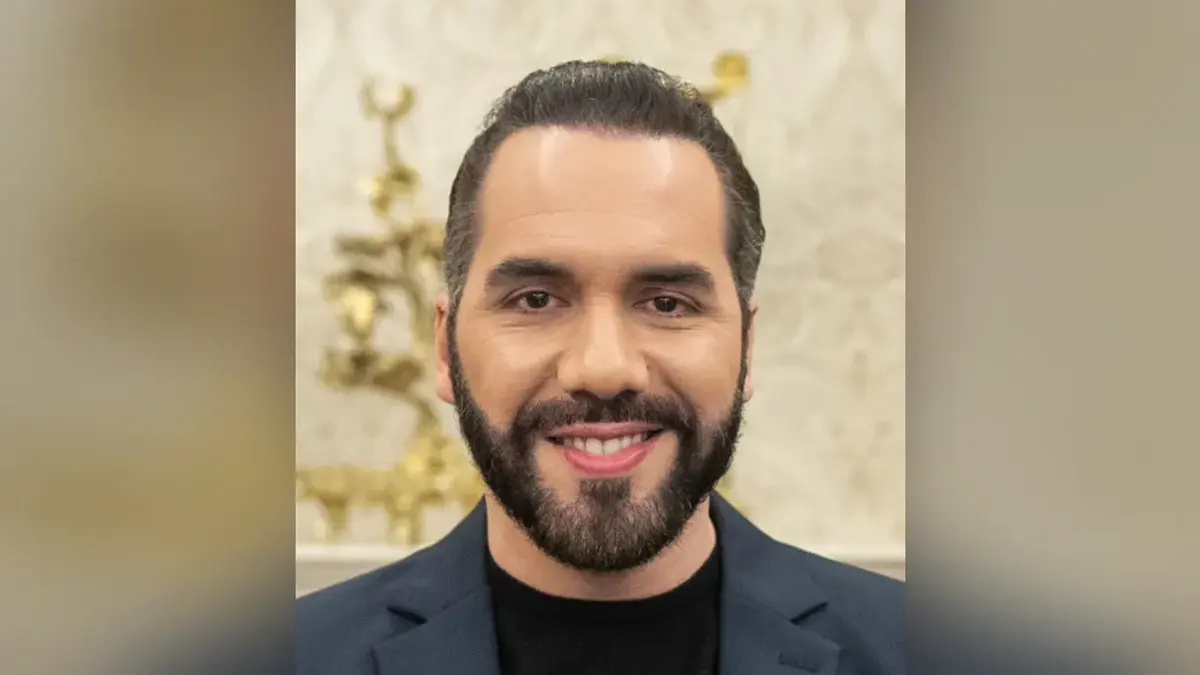
Haitians welcomed President Bukele’s swift intervention, but a month after the arrival of around 2,000 soldiers, security experts report no concrete territorial gains against gangs that have controlled more than 80% of Port-au-Prince for years. For Robert Muggah, a UN adviser on Haiti, the operation has a theatrical effect but has not yet managed to secure territory, according to Citizen Digital.
The approximately 2,000 soldiers sent to Haiti by Salvadoran President Nayib Bukele have made no concrete territorial gains after about a month of deployment, according to security specialists quoted by Reuters. Robert Muggah, a United Nations adviser on Haiti, believes that the military operations have not yet enabled Salvadoran forces to retake and hold areas controlled by gangs.
The deployment was reinforced following the disappearance of four Salvadoran military personnel on 18 October. Before that incident, El Salvador had around 120 non-combatant personnel as part of a UN-backed security force. However, the reinforcements sent by Bukele are operating under a separate mission, outside the UN mandate. The Salvadoran president had presented their arrival as an operation intended, among other things, to find his missing compatriots.
Clashes between gangs and security forces have intensified since the intervention. The US organisation ACLED, which specialises in monitoring armed conflicts, recorded 317 deaths between 18 October and 20 November, compared with 135 during the same period of the previous month. At least 26 of the victims were civilians. Sandra Pellegrini, ACLED’s head of operations in Latin America, provided these figures.
The operations also involve the Haitian police, the national army, the UN-backed mission and a private military company. Gangs have controlled more than 80% of Port-au-Prince, as well as road routes and territories in the country’s central region, for several years. The military reinforcement has raised concerns among experts, who warn of the risks faced by civilian populations.