









URGENT

Angola’s BPC bank loses nearly $177 million in 2016

By , based on Rede Angola

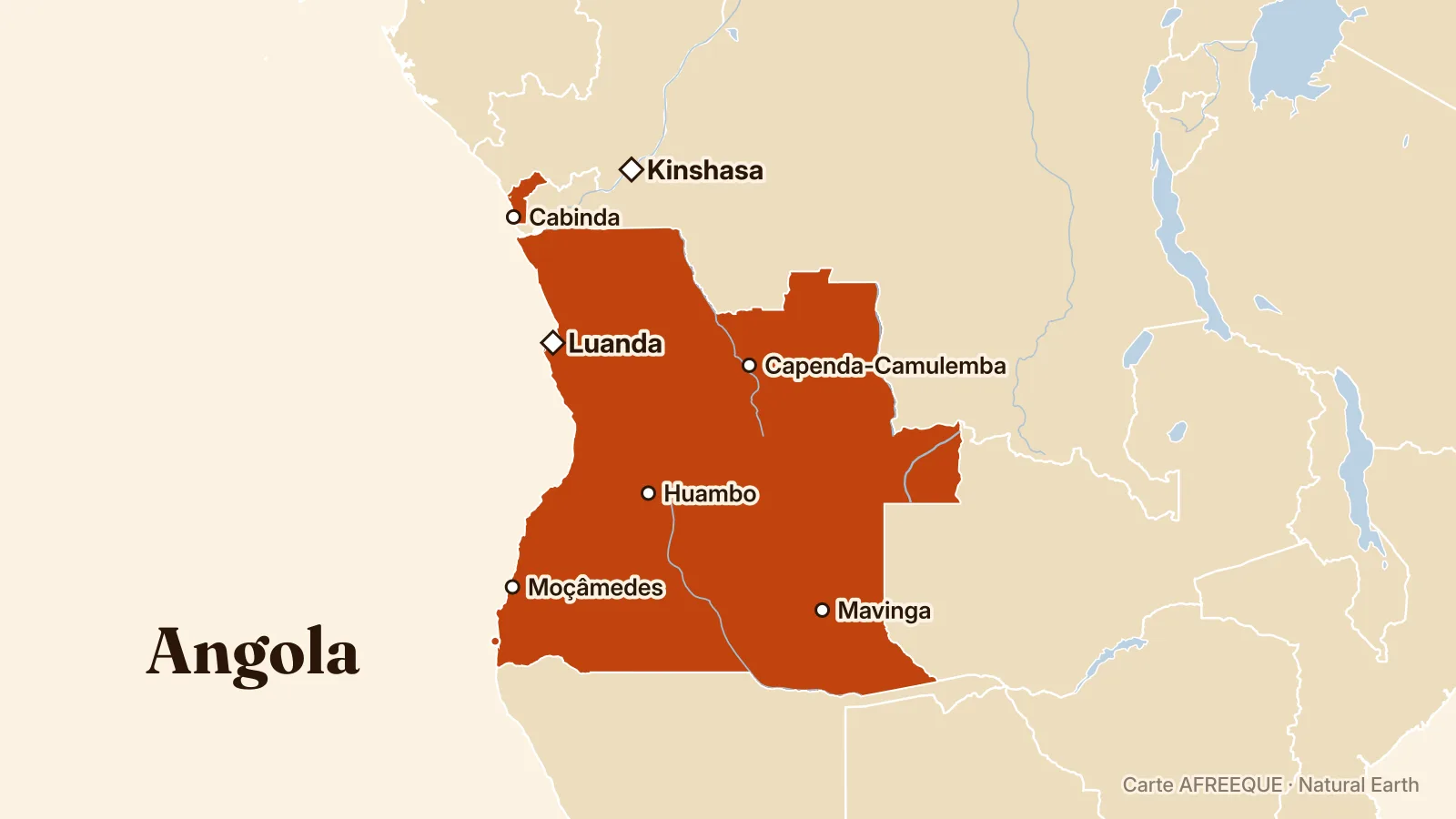
Map: Angola

Angolan bank BPC recorded losses of nearly $177 million in 2016. Its accounts, approved at a general meeting, contrast sharply with the profit of $49.8 million made in 2015, according to Rede Angola, which reports the institution’s financial results.

Banco de Poupança e Crédito (BPC), Angola’s largest state-owned bank, recorded a net loss of 29.5 billion kwanzas, equivalent to approximately $177 million, in 2016. The institution, which is undergoing restructuring, communicated the result to Portuguese news agency Lusa.

The accounts were approved on Tuesday by BPC’s general meeting. The result contrasts with the profit of 8.3 billion kwanzas, equivalent to $49.8 million, recorded in 2015. The bank is being restructured because its portfolio of non-performing loans exceeds $1.3 billion.


Share this article

Related stories

Naira loses 2.5% despite $1.30 billion in currency sales

The Nigerian naira lost 2.5% against the dollar during the week ended 20 November, despite $1.30 billion in foreign currency sales by the Central Bank of Nigeria. The foreign exchange market recorded $4.67 billion in transactions, while the naira closed at 1,394 naira to the dollar, according to FMDQ data reported by Leadership.

🇳🇬 Nigeria · Source: Leadership ·

Adolosi Gomes takes charge of Angola Capital Partners

Adolosi Gomes has been appointed chief executive officer of Angola Capital Partners, an Angolan private equity firm created by Banco Angolano de Investimentos and Norwegian fund Norfund. In nearly two decades, the company has mobilised more than 85 million dollars to finance small and medium-sized enterprises in Angola, reports Mercado.

🇦🇴 Angola · Source: Mercado ·

Standard Bank leads BODIVA with 665.6 million kwanzas traded

Standard Bank recorded the highest financial trading volume at the BODIVA session, with 665.6 million kwanzas traded on Thursday. Its shares rose by 3.26%, while Unitel recorded the highest number of transactions, with 83 deals, according to Mercado.

🇦🇴 Angola · Source: Mercado ·

Luanda to overtake Lagos with 20.3 million residents in 2050

Luanda is expected to grow from 11.4 million residents in 2025 to 20.3 million in 2050, an increase of 78%, according to the World Bank. The Angolan capital would thus become the most populous city in Sub-Saharan Africa, ahead of Lagos, whose population would reach 16.2 million, according to the report.

🇦🇴 Angola · Source: Daily Trust ·

🇦🇴 Latest from Angola

Angola reserves artisanal gold mining for its citizensAngola reserves artisanal gold mining for its citizensThe Angolan government is preparing regulations that will reserve artisanal and semi-industrial gold mining for organised Angolan citizens. Minister of Mineral Resources, Petroleum and Gas Diamantino Azevedo announced the policy on 20 November in Luanda, at the inauguration of the country’s first gold refinery, according to Mercado.All Angola news →

Business in Southern Africa

Map: ZambiaZambian commission warns of fake Black Friday discountsThe Zambian Competition and Consumer Protection Commission is warning retailers against false price reductions during Black Friday promotions. It says inflating original prices to create the appearance of savings is a misleading practice prohibited by law, according to News Diggers.All Business news →

The week in Africa

This week’s highlights

  1. CAS restores Senegal’s AFCON 2025 title🇸🇳 Senegal
  2. IMF approves $425 million for Guinea🇬🇳 Guinea
  3. Amnesty calls for investigation into possible war crimes in Tigray🇪🇹 Ethiopia
  4. ECOWAS calls for gradual implementation of single currency from 2027🇨🇮 Ivory Coast
  5. Gavi plans 1.5 million doses against Bundibugyo Ebola🇨🇩 DR Congo
All of this week’s highlights →

Africa in your inbox

Be the first to get our letter in English: the essentials from every region of the continent, free.

Free · one email a week · unsubscribe in one click. Your address is only used to send you the letter, never sold. Personal data

← Back to the news