






























Africa records 71.4 billion instant payment transactions in 2025
By the AFREEQUE newsroom, based on Leadership
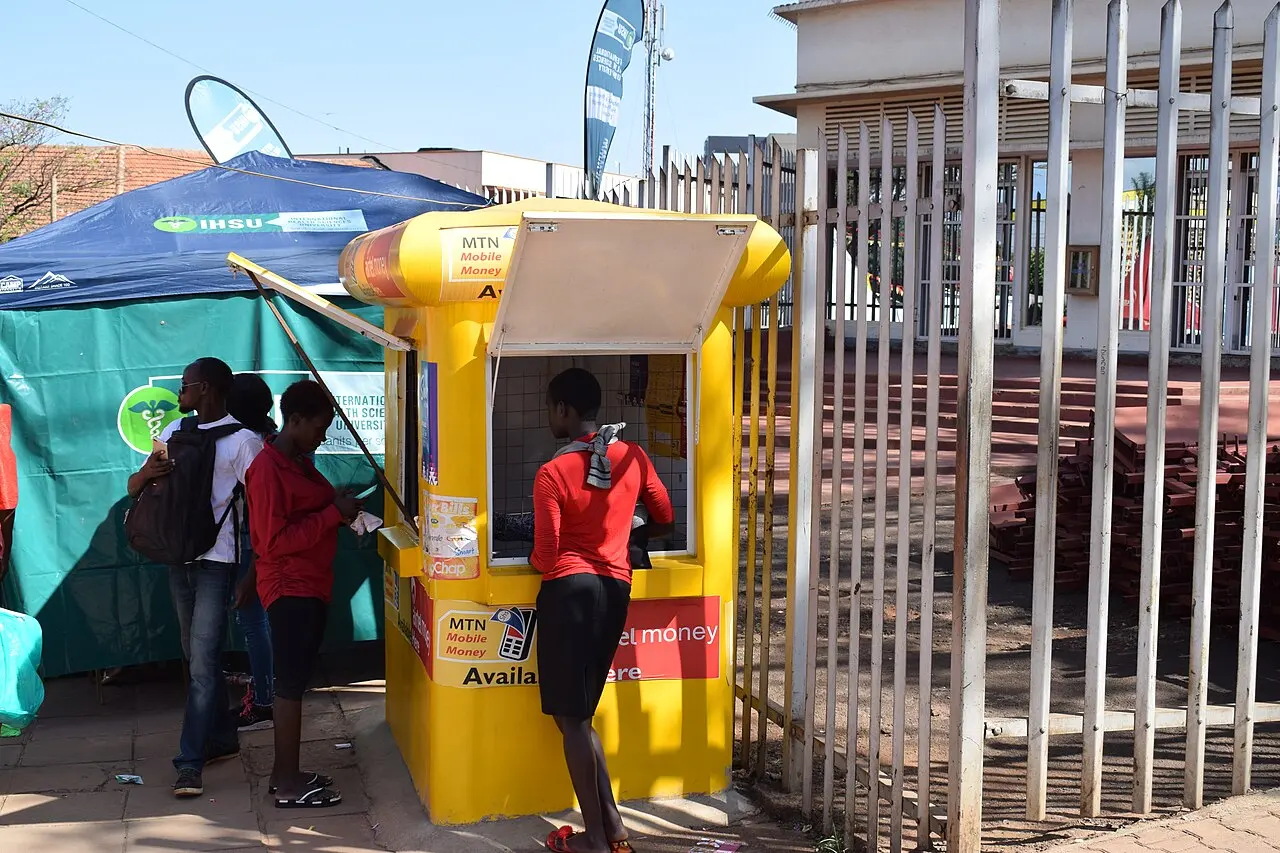
Instant payment transactions reached $1.8 trillion in 2025, nearly three times the 2021 volume, according to the AfricaNenda Foundation. However, 55% of surveyed users still rely on cash for around half their transactions, and one in three does not report incidents.
Instant payment systems recorded 71.4 billion transactions in Africa in 2025, with a total value of $1.8 trillion. This volume was nearly three times that of 2021, according to the 2026 State of Inclusive Instant Payment Systems in Africa report, published on Thursday by the AfricaNenda Foundation with the United Nations Economic Commission for Africa and the World Bank Group.
Despite this growth, cash remains widely used. Among the digital payment users surveyed, 55% continue to pay for around half their transactions in cash. Furthermore, 89% of African adults live in countries with access to instant payment systems, but delays, failed transactions and fraud are holding back their adoption.
The survey, conducted among 1,403 users in 15 African markets, found that more than half of participants had experienced payment difficulties, including late transfers or payments sent to the wrong recipients. One-third of those who encountered these problems had never filed a complaint, mainly because they were unaware of the procedures for seeking redress.
The continent now has 39 operational instant payment systems, compared with 29 recorded in AfricaNenda’s first report, published five years earlier. Of the current systems, 35 operate nationally in 29 countries, while four cover several regional markets.
Sabine F. Mensah, AfricaNenda’s deputy chief executive and the report’s lead author, believes the priority now is to strengthen users' trust. She particularly highlights the importance of verifying recipients' names, providing immediate payment confirmations and quickly refunding faulty transactions. Effective complaint resolution is also a way to reduce reliance on cash.