Johannesburg’s unpaid bills approach 72 billion rand
By the AFREEQUE newsroom, based on TimesLIVE and IOL
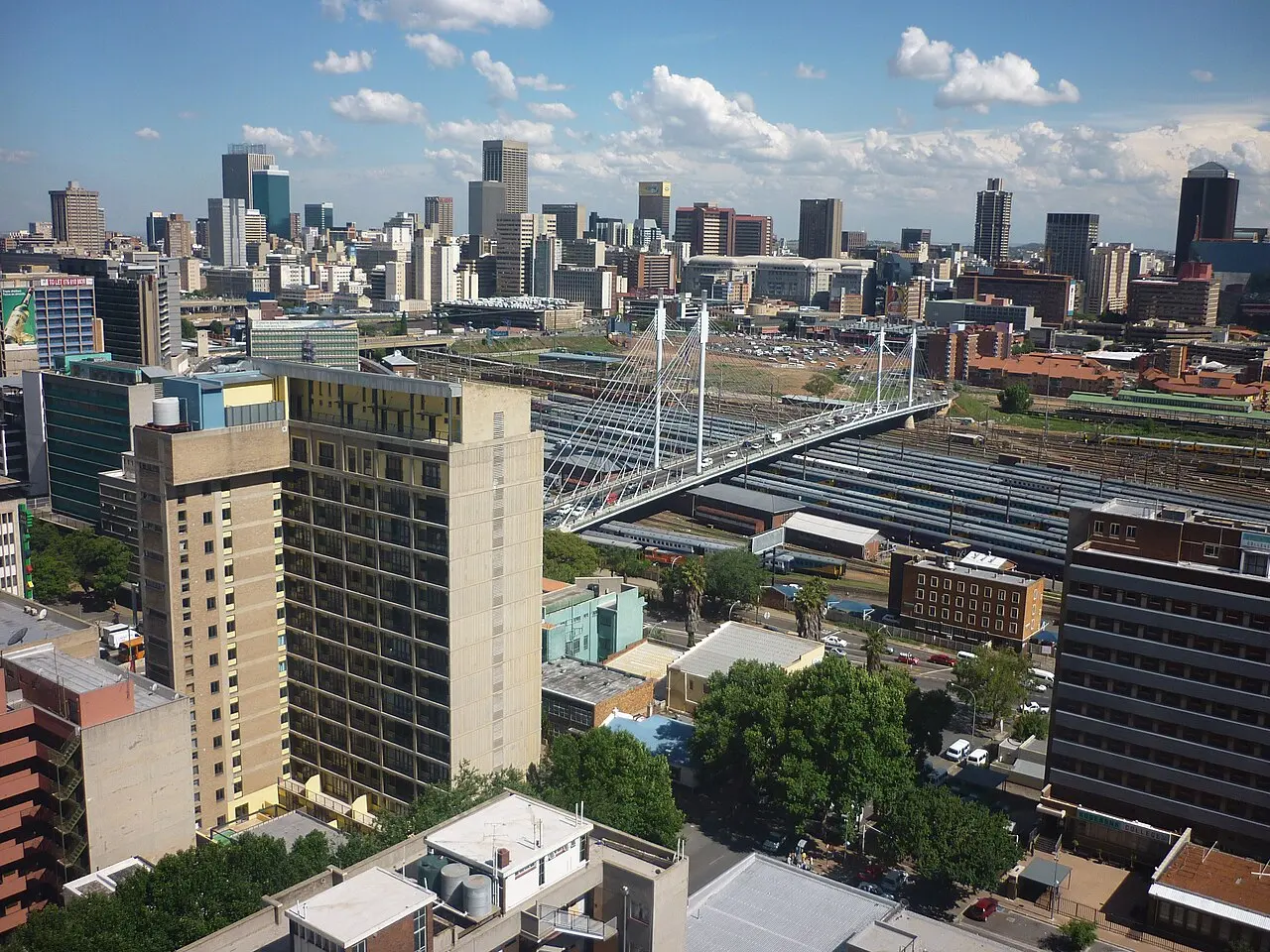
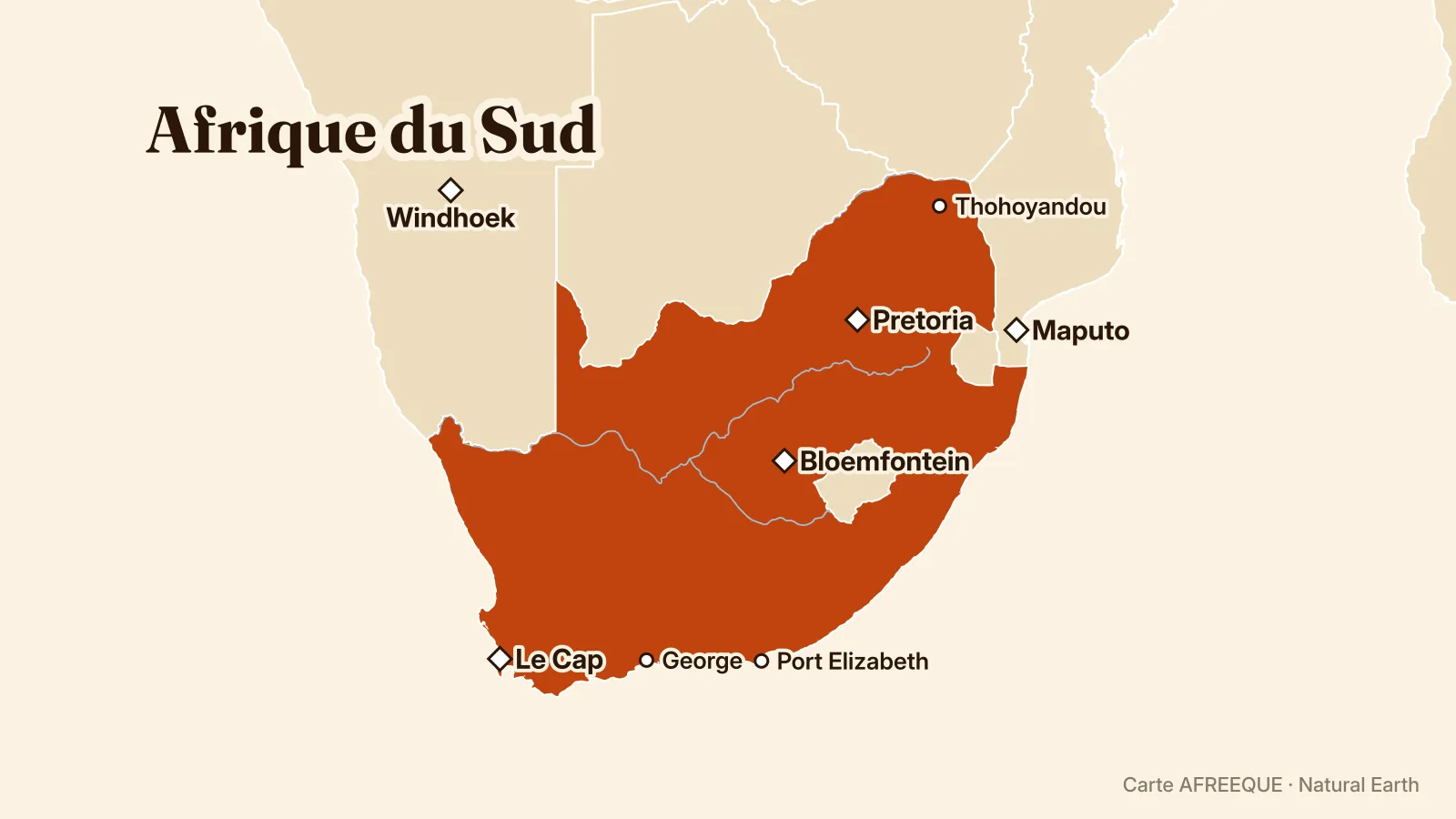
Unpaid consumer bills in Johannesburg reached nearly 72 billion rand in 2024-2025, compared with 15 billion a decade earlier, according to TimesLIVE. The Centre for Development and Enterprise (CDE) is calling for the appointment of a mayor capable of leading financial, administrative and economic reforms to turn around the South African metropolis.
The accumulated backlog in infrastructure maintenance is also worsening Johannesburg’s difficulties. City Power, responsible for electricity distribution, has a maintenance and refurbishment shortfall estimated at 44 billion rand. The figure for Johannesburg Water stands at 26.6 billion rand. By the middle of the 2025-2026 financial year, the municipality had spent only 26% of its 8.7 billion rand capital investment budget. The consequences directly affect residents: more than 54,000 power cuts were recorded in the second half of 2025, and around 55% of traffic lights were faulty in the second quarter of the 2025-2026 financial year.
The CDE is calling for greater transparency in public procurement. Johannesburg spends around 20 billion rand a year on goods and services. The organisation is notably demanding the publication of information about bidders, the beneficial owners of companies, bid evaluations and payments made. It is also concerned about the handling of anti-corruption investigations: more than 6,000 cases involving transactions worth 35 billion rand have been examined by municipal investigation services. In June 2023, however, the municipality adopted a report declaring their investigations and findings illegal and null and void.
The economic situation is adding to concerns. Johannesburg has recorded average annual growth of around 1% over the past 13 years. Unemployment stood at 35.9% in the second quarter of 2026, and around 90,000 jobs had been lost in the 12 months leading up to June 2026. The CDE proposes setting up an independent task force bringing together business and civil society representatives to develop an investment and job creation strategy.
The organisation believes that negotiations between the coalition parties must lead to the selection of a mayor with the political will and the capacity needed to implement this reform programme.