ICJ could rule that Myanmar committed genocide in a first
By the AFREEQUE newsroom, based on Al Jazeera

The International Court of Justice will deliver its ruling on Thursday in the case brought by Gambia against Myanmar, accused of genocide following the 2017 offensive against the Rohingya. It could be the first time a court recognises genocide committed by a state, according to Al Jazeera, but the ruling, which cannot be appealed, may be difficult to enforce.
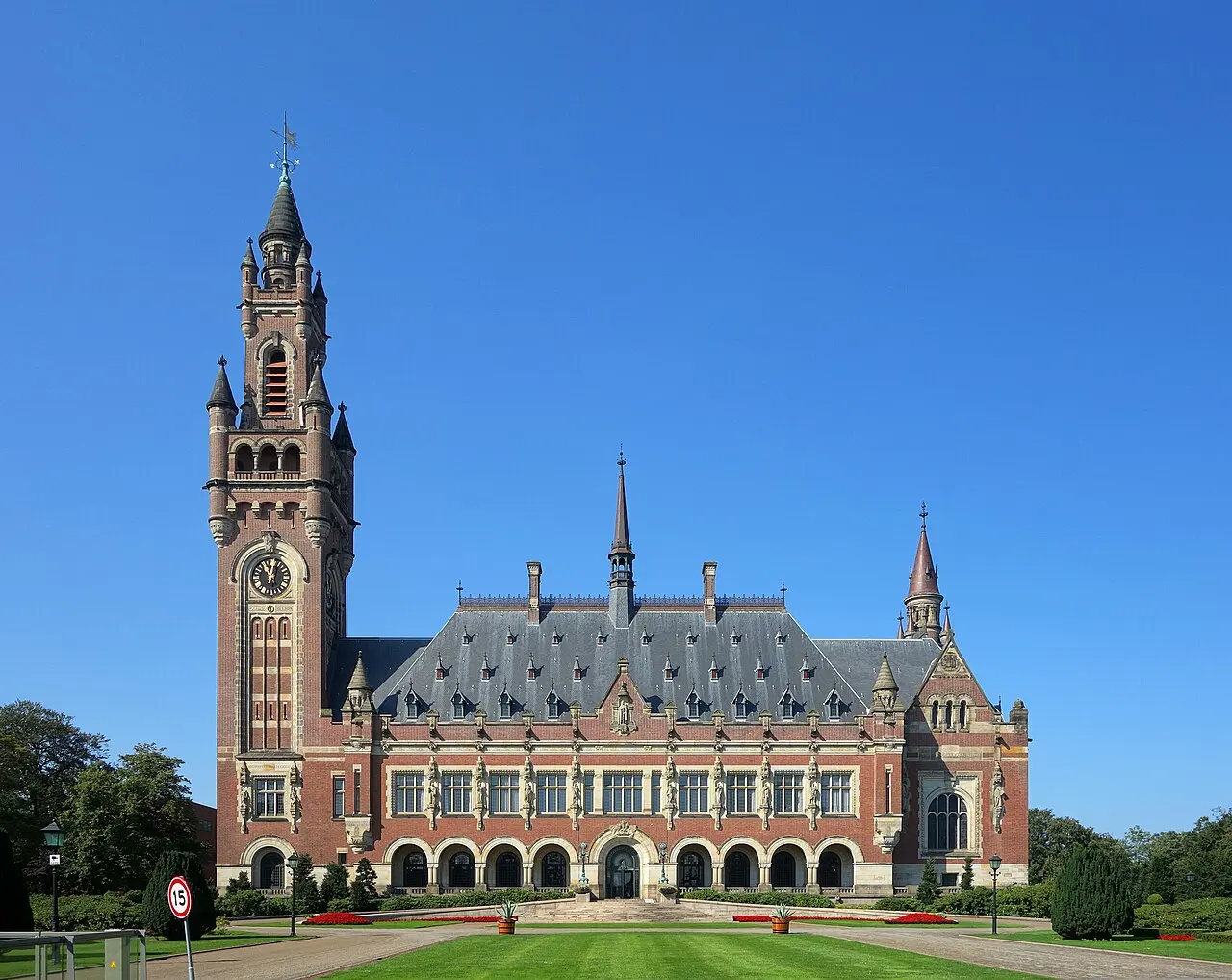
The International Court of Justice (ICJ), the United Nations body responsible for settling disputes between states, is due to deliver its ruling on 19 November 2026 in the case between Gambia and Myanmar concerning the alleged genocide of the Rohingya. The reading of the decision is due to begin at 10 am in The Hague, the Netherlands, and could last up to 90 minutes, Al Jazeera reports. It could be the first ruling in which the court recognises that a state has committed genocide.
Gambia brought the case before the ICJ in November 2019, with the support of the Organisation of Islamic Cooperation. It accuses the Myanmar authorities of organising genocidal acts during the 2017 military offensive against the Rohingya, a predominantly Muslim minority. The operation prompted at least 730,000 people to flee to Bangladesh, according to evidence presented in the proceedings. A United Nations fact-finding mission had concluded that the violence included acts amounting to genocide. Survivors reported, among other things, killings, gang rapes and the burning of villages.
The government of Myanmar rejects these accusations. It says its army responded to attacks by armed groups and disputes the existence of evidence establishing an intention to destroy the Rohingya community. Under the 1948 Genocide Convention, the legal definition requires, in particular, proof of an intention to destroy, in whole or in part, a national, ethnic, racial or religious group.
The ICJ has never directly recognised a state’s responsibility for committing genocide. In 2007, it ruled that Serbia had failed to prevent the 1995 Srebrenica massacre in Bosnia, in which more than 8,000 Muslim men and boys were killed, without establishing that Serbia itself had committed genocide. The decision concerning the Rohingya could also serve as a reference in other international proceedings, including the case brought by South Africa against Israel concerning Gaza. The ICJ can rule on a state’s responsibility, but does not try individuals, a jurisdiction that falls to the International Criminal Court. Its ruling is final and cannot be appealed. If Myanmar refuses to comply, Gambia could seek the intervention of the UN Security Council.
This decision marks the culmination of a judicial timetable announced by the ICJ. The court had notably confirmed on 18 November the date of its ruling on the Rohingya genocide.