WHO urges Nigeria to increase domestic HIV funding
By the AFREEQUE newsroom, based on P.M. News and Punch
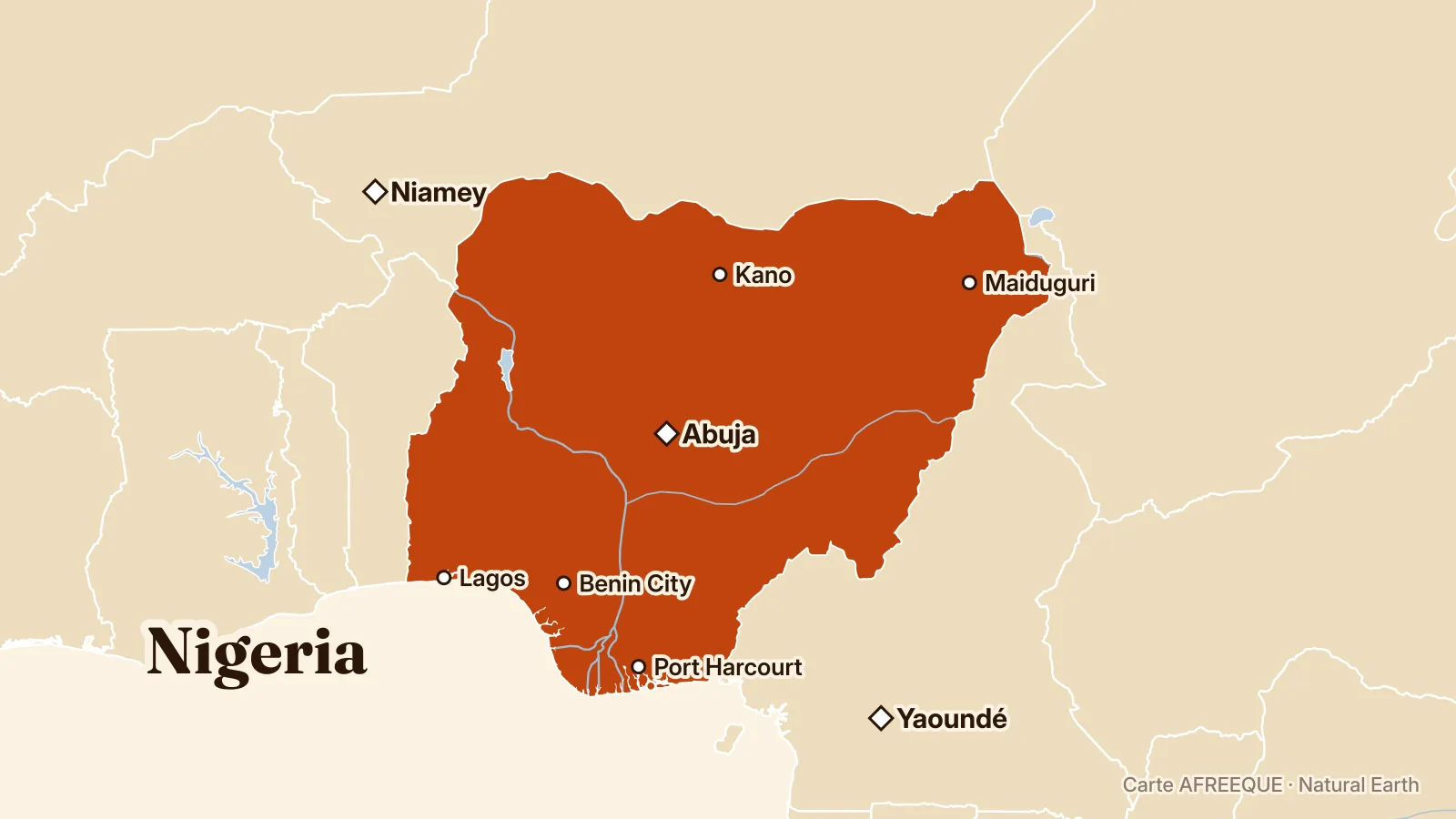
The World Health Organisation (WHO) is calling on Nigeria to increase domestic funding for HIV to safeguard prevention programmes. The country recorded around 64,000 new infections in 2025, despite a 52% decline since 2010. More than 90% of AIDS-related spending still comes from external funding, according to Punch.
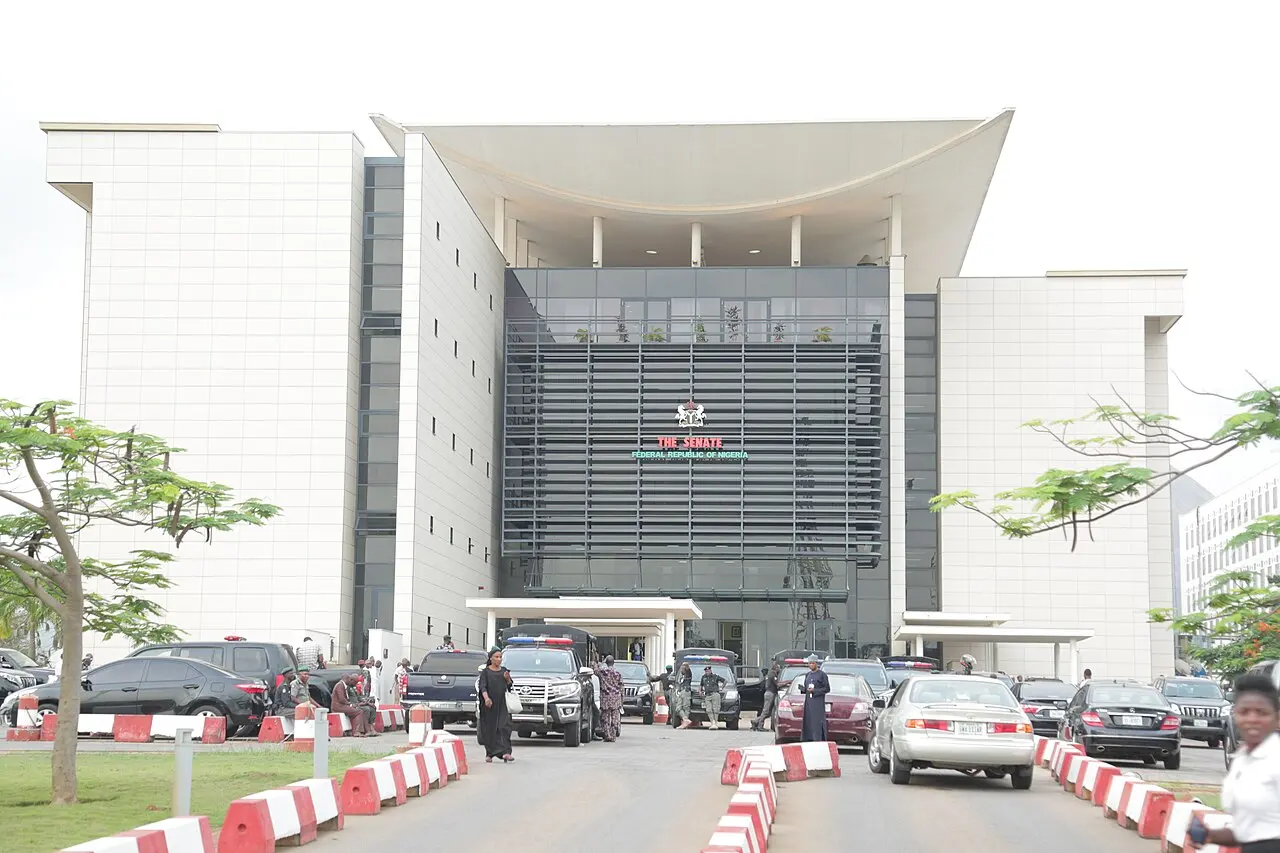
Dr Akudo Ikpeazu, head of the HIV, tuberculosis, hepatitis and sexually transmitted infections programme at the WHO Regional Office for Africa, called on Nigeria on Tuesday 24 November to strengthen its domestic resources for tackling HIV. She was speaking at the Nigerian HIV Prevention Conference, organised over four days in Abuja by the National Agency for the Control of AIDS (NACA) and its partners.
The official recommends gradually integrating HIV prevention into public budgets, procurement systems and oversight mechanisms within Nigerian institutions. International partners should support this transition by promoting innovation and developing local capacities. Routine prevention spending should therefore gradually be taken over by national, federal and local institutions.
Akudo Ikpeazu also points out that 89% of new infections among adults occur in the general population. She advocates strengthening efforts targeting adolescents, young people and key populations, as well as measures to prevent mother-to-child transmission of the virus. Around 10,000 children contract HIV each year in the country. Her recommendations include expanding self-testing, pre-exposure prophylaxis (PrEP), harm reduction and maternal health services.
UNAIDS Country Director in Nigeria Krittayawan Boonto estimates that the country still records between 60,000 and 65,000 new infections annually. She believes this figure needs to be brought below 5,000 to bring the epidemic under control. Meanwhile, the United Nations Population Fund (UNFPA) Resident Representative, Muriel Mafico, is calling for several sectors to be mobilised, particularly in support of young people, who account for more than 60% of Nigeria’s population. Esther Hindi, national coordinator of the Association of Women Living with HIV in Nigeria (ASWHAN), is calling for better access to testing, condoms, PrEP and treatment, as well as measures to tackle stigma.