URGENT
🇳🇬 NigeriaHealth

Nigerian pharmacists say 70% local medicine production target is unrealistic

By , based on Punch

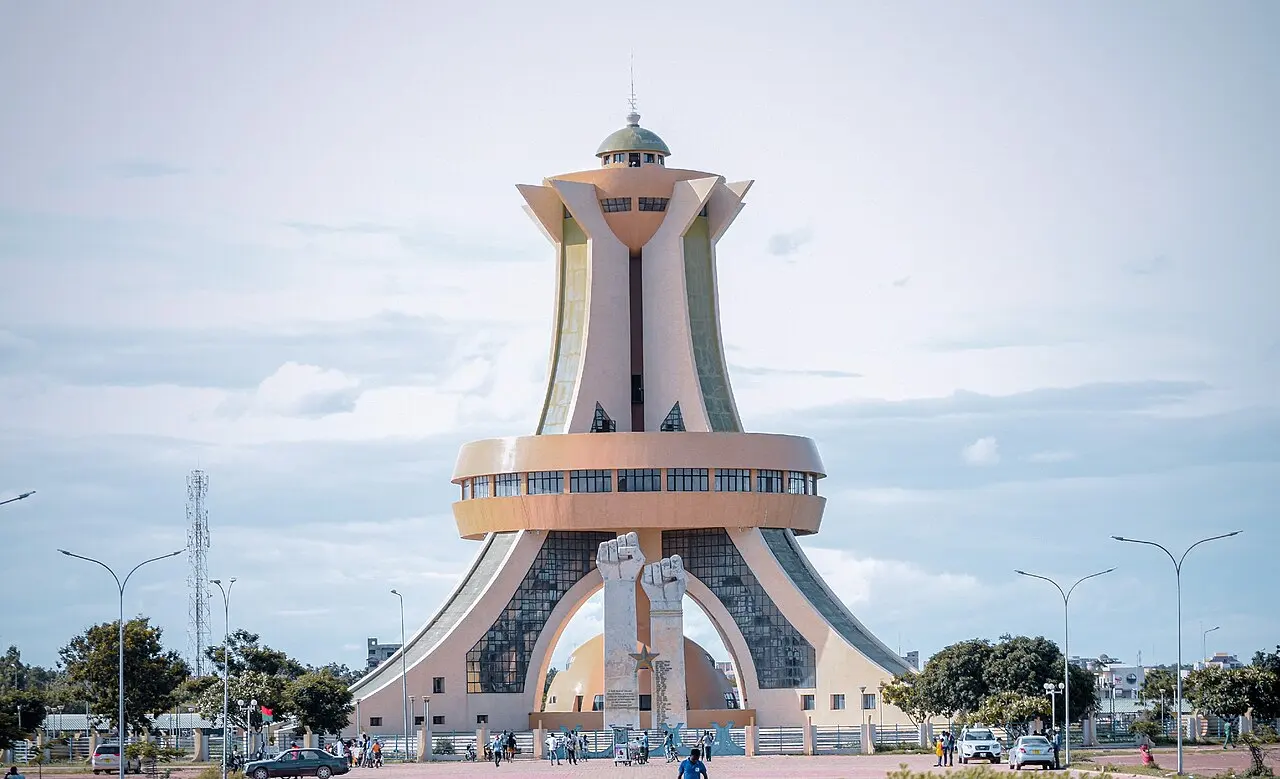
Nigerian pharmacists say 70% local medicine production target is unrealisticThorkild Tylleskar · CC BY-SA 3.0

According to pharmacists and manufacturers, Nigeria risks failing to produce 70% of its essential medicines locally by 2030 because of unfavourable conditions. They cite high energy and production costs, a lack of financing and foreign exchange difficulties, according to Punch.

Pharmacists and industrialists in Nigeria’s pharmaceutical sector believe the country risks failing to meet its target of producing 70% of its essential medicines locally by 2030. They say this ambition depends on structural reforms and a favourable economic environment, according to statements collected by Punch Healthwise.

Ayuba Tanko, president of the Pharmaceutical Society of Nigeria, considers the timetable particularly difficult to meet at the current pace. He believes Nigeria has a large market, qualified professionals and companies capable of developing domestic production, but that industrial conditions remain inadequate. Manufacturers are calling in particular for a stable energy supply, access to affordable raw materials and better financing opportunities.

High production costs, difficulties accessing foreign currency and financial constraints are also holding back investment. Despite programmes launched by the federal government to support the local pharmaceutical industry, these obstacles continue to limit the capacity of domestic companies.

In February 2026, Muhammadu Sanusi II, Emir of Kano, said that 70% of medicines consumed in Nigeria were imported. He also estimated that India accounted for 80% of these imports, during a conference organised in Lagos by the Association of Industrial Pharmacists of Nigeria. The World Health Organization (WHO) has also set a target for Nigeria to produce 70% of its medicines domestically by 2030.

Difficulties in local production come amid concerns about the quality of medicines marketed in Nigeria. On 18 November, Nigerian lawmakers summoned the National Agency for Food and Drug Administration and Control (NAFDAC) over counterfeit medicines. The lawmakers' summons to NAFDAC highlights another dimension of the country’s pharmaceutical safety challenges.

Share this article

Related stories

Nigeria extends compressed natural gas programme to 60 institutions

The Nigerian federal government plans to extend its compressed natural gas programme to 60 higher education institutions to reduce students' transport costs. Education Minister Tunji Alausa announced this on Saturday during the inauguration of stations at four federal universities, according to Punch.

🇳🇬 Nigeria · Source: Punch ·

2027 presidential election: Nigeria’s NDC sees Peter Obi as its only hope

Moses Cleopas, national chairman of the Nigeria Democratic Congress (NDC), presents Peter Obi as the only candidate capable of steering Nigeria out of insecurity and economic hardship. He calls on voters to make the 16 January 2027 presidential election a verdict on Bola Tinubu’s record and to prioritise candidates' abilities over their religious or political affiliation, according to Punch.

🇳🇬 Nigeria · Source: Punch ·

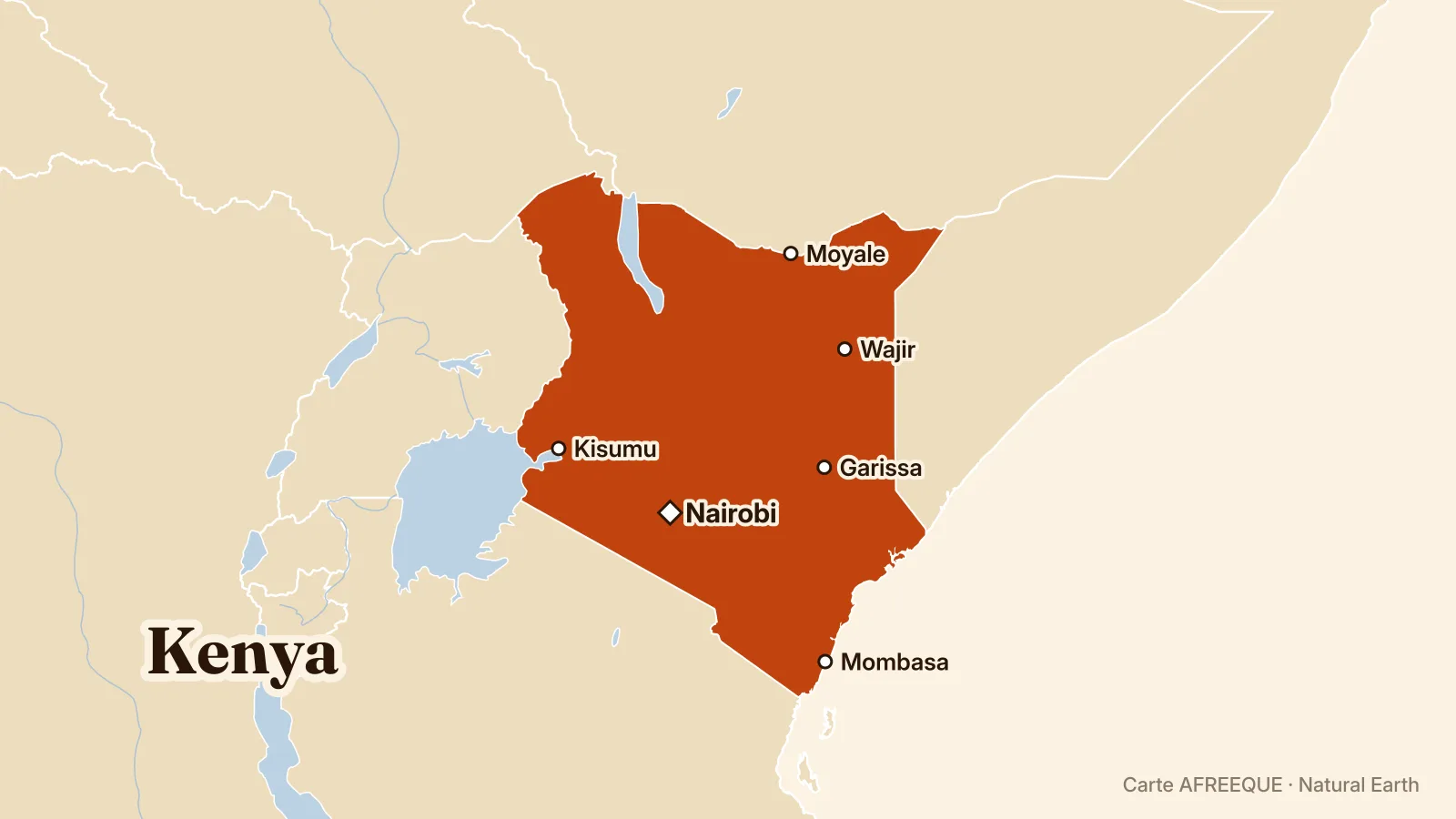
In Kenya, school matatu collides with trailer, killing one

One person has died and more than ten have been injured after a matatu carrying KCSE candidates collided with a trailer on the Eldoret-Webuye road in Kakamega County, Kenya. The accident occurred as the students were returning home after their exams, according to Tuko. Most of the injured are candidates sitting the national examination.

🇰🇪 Kenya · Source: Tuko ·

Nigeria’s national grid output falls to 781 MW

Nigeria’s national electricity generation fell to 781 megawatts on Friday 20 November after four transmission lines tripped. According to Vanguard, output recovered to 2,568 MW by 5 pm following emergency interventions, with operator NISO ruling out a system-wide grid collapse.

🇳🇬 Nigeria · Source: Vanguard ·

🇳🇬 Latest from Nigeria

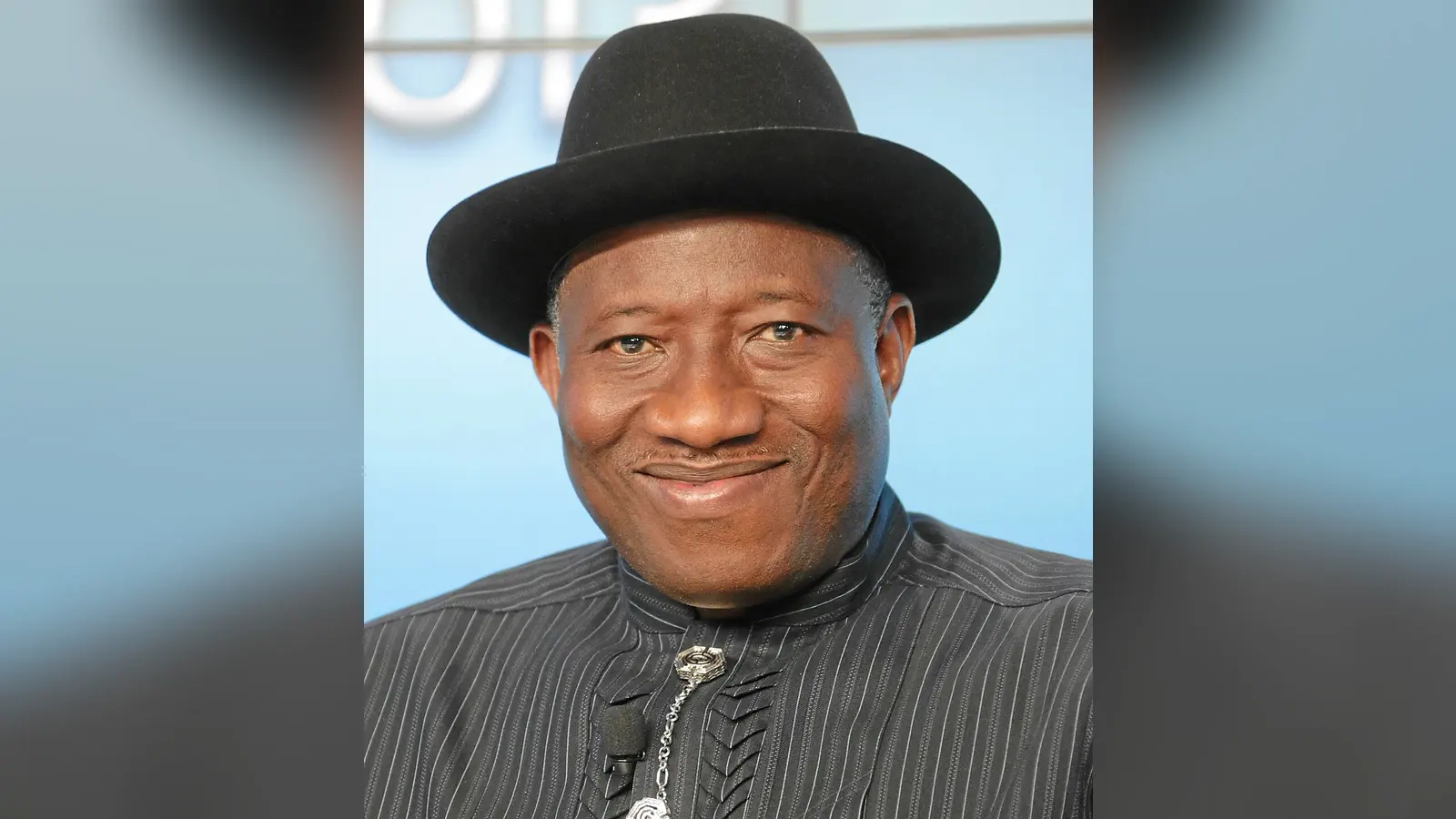
Former president Goodluck Jonathan calls for end to money in politicsFormer president Goodluck Jonathan calls for end to money in politicsFormer Nigerian president Goodluck Jonathan has called for reforms to the recruitment of leaders to eliminate money, patronage and ethnic considerations. Speaking at a colloquium in Abuja, he warned that these practices tarnish the country’s international image ahead of the 2027 general elections, according to Punch.All Nigeria news →

Health in West Africa

Ouagadougou fire reportedly caused by improperly packaged insecticidesOuagadougou fire reportedly caused by improperly packaged insecticidesA fire that broke out on 19 November 2026 in the ZACA project area of Ouagadougou was reportedly linked to improperly packaged insecticides rather than explosives. Security Minister Mahamadou Sana visited the site the following day to assess the damage and call for compliance with safety standards for storing and transporting hazardous products, according to Lefaso.net.All Health news →

The week in Africa

This week’s highlights

  1. Samia Suluhu Hassan announces new Constitution by 2029🇹🇿 Tanzania
  2. Myanmar found responsible for genocidal intent against the Rohingya🇲🇲 Myanmar (Burma)
  3. Boat sinking in Nigeria’s Bayelsa state: 23 dead as investigation ordered🇳🇬 Nigeria
  4. Thomas Mining ordered to terminate 93 subcontracting contracts in DR Congo🇨🇩 DR Congo
  5. Coris Bank International Côte d’Ivoire offers 20% stake on stock exchange🇨🇮 Ivory Coast
All of this week’s highlights →

Africa in your inbox

Be the first to get our letter in English: the essentials from every region of the continent, free.

Free · one email a week · unsubscribe in one click. Your address is only used to send you the letter, never sold. Personal data

← Back to the news