Former president Goodluck Jonathan calls for end to money in politics
By the AFREEQUE newsroom, based on Punch
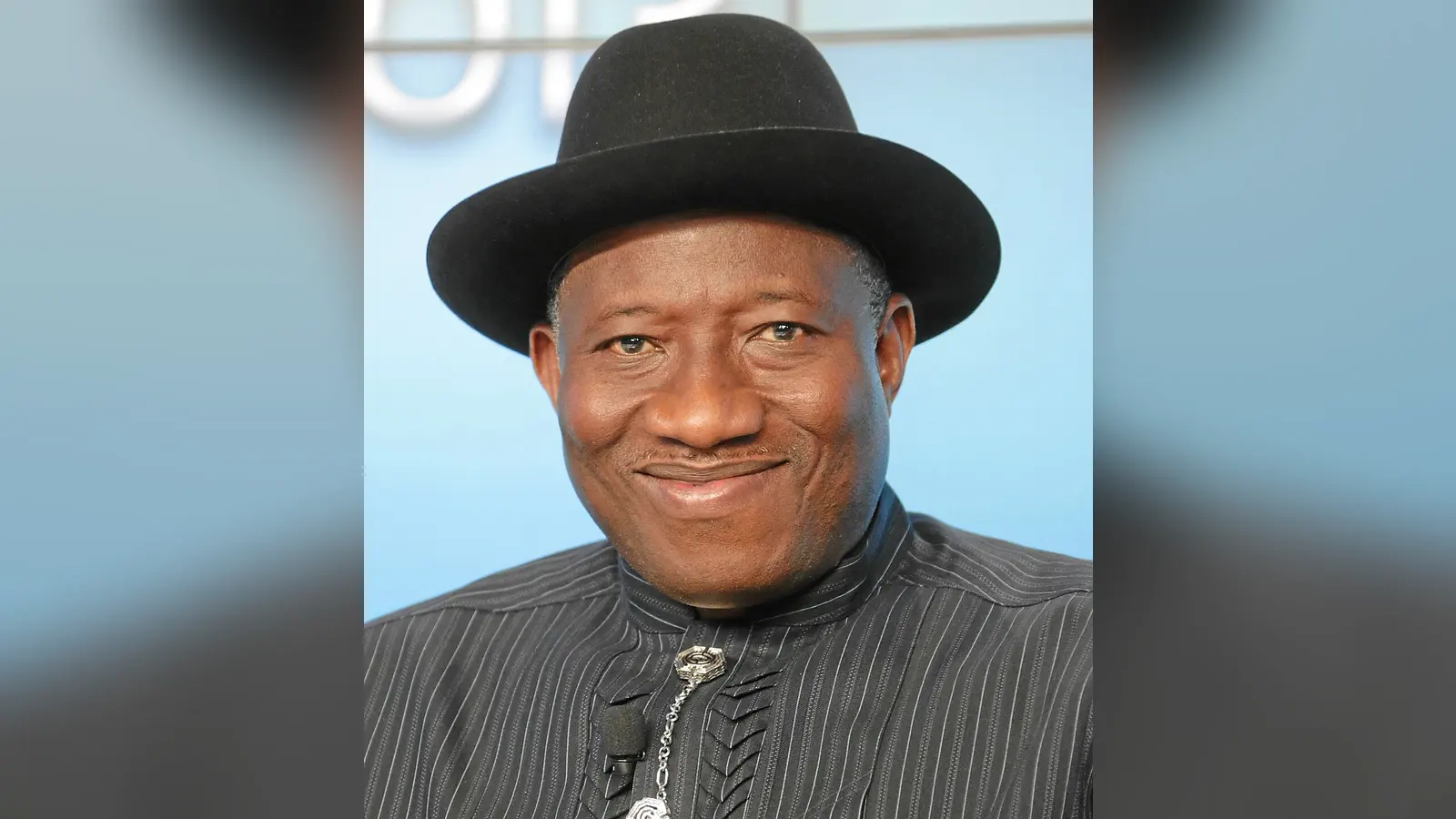
Former Nigerian president Goodluck Jonathan has called for reforms to the recruitment of leaders to eliminate money, patronage and ethnic considerations. Speaking at a colloquium in Abuja, he warned that these practices tarnish the country’s international image ahead of the 2027 general elections, according to Punch.
Former Nigerian president Goodluck Jonathan on Saturday 21 November called for reforms to Nigeria’s political system to reduce the influence of money, favouritism and ethnic affiliations in the selection of leaders. He believes these practices damage the country’s international reputation, according to a speech he delivered in Abuja at the third edition of the Paul Alaje Colloquium, which focused on Nigeria’s image.
Goodluck Jonathan called in particular for stronger internal democracy within political parties, more credible elections and greater accountability among leaders. He wants competence, ideas and integrity to take precedence over financial resources and personal connections in the selection of candidates and public appointments.
The former head of state also believes that corruption, abuses of power, impunity, insecurity and weakened institutions are contributing to Nigeria’s declining international influence. He also criticised the celebration of wealth whose origins are not sufficiently scrutinised, as well as the normalisation of criminal activities such as cybercrime, drug trafficking and the activities of sectarian groups.
According to Jonathan, these problems affect investor confidence, international partnerships and the regard in which Nigeria is held abroad. His remarks come ahead of the 2027 general elections, amid concerns about vote-buying and financial influence in political nominations.
On 15 November, Goodluck Jonathan had already called for a review of Nigeria’s democratic system. His call to reform the political system focused in particular on the responsibilities of leaders and the functioning of institutions.