Nigeria’s electricity grid output falls to 3,180 MW
By the AFREEQUE newsroom, based on Punch and Leadership
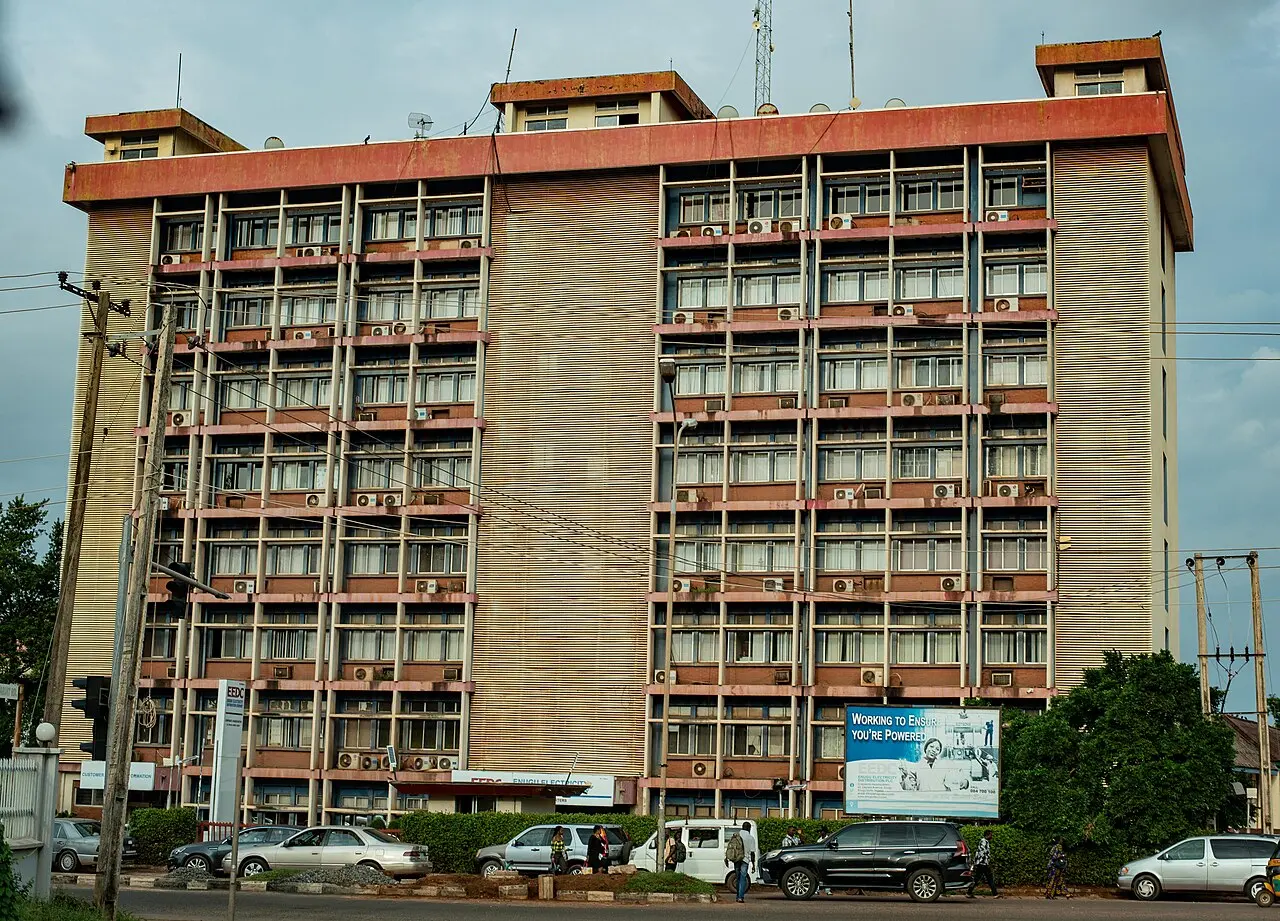
Nigeria’s national grid generated around 3,180 MW on 19 November, while the 11 distribution companies shared an allocation of 2,885 MW, according to data published by the independent system operator. According to Punch, energy professor Dayo Ayoade fears that declining hydroelectric dam levels, combined with unreliable gas supplies to thermal power stations, could worsen power cuts for households.
Nigeria’s electricity grid generated around 3,180 megawatts on 19 November, while the eleven distribution companies received a combined allocation of 2,885 MW. These figures were published by the Nigerian Independent System Operator (NISO), the body responsible for overseeing the national electricity grid.
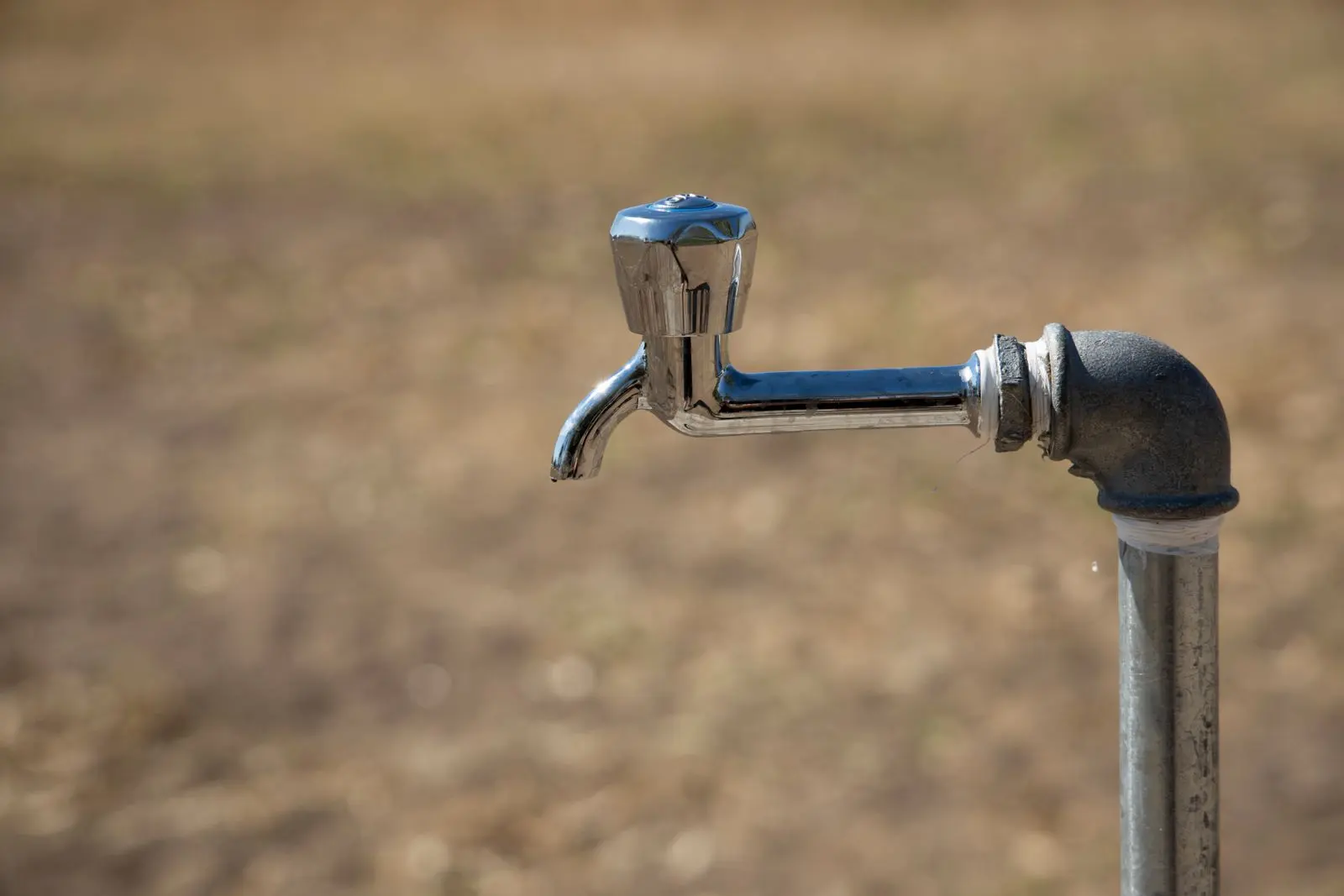
The approach of the dry season has raised fears of a further deterioration in electricity supplies. Nigerian energy expert Professor Dayo Ayoade believes that declining water reserves in hydroelectric dams, combined with difficulties supplying gas to thermal power stations, could further reduce output. Uket Obanga, national secretary of the Nigeria Electricity Consumer Advocacy Network, is also concerned about the country’s ability to manage declining water resources. He accuses distributors of prioritising major cities and customers considered more profitable at the expense of semi-urban communities.
On 5 November, NISO had already identified two factors limiting output: difficulties supplying gas to thermal power stations and declining water inflows into hydroelectric reservoirs. Fuel shortages were preventing some power stations from operating at their available capacity, while falling water reserves were reducing the contribution of hydroelectric facilities.