












HIV treatment in West and Central Africa 90% dependent on foreign funding
By the AFREEQUE newsroom, based on Bénin Web TV and L’essentiel
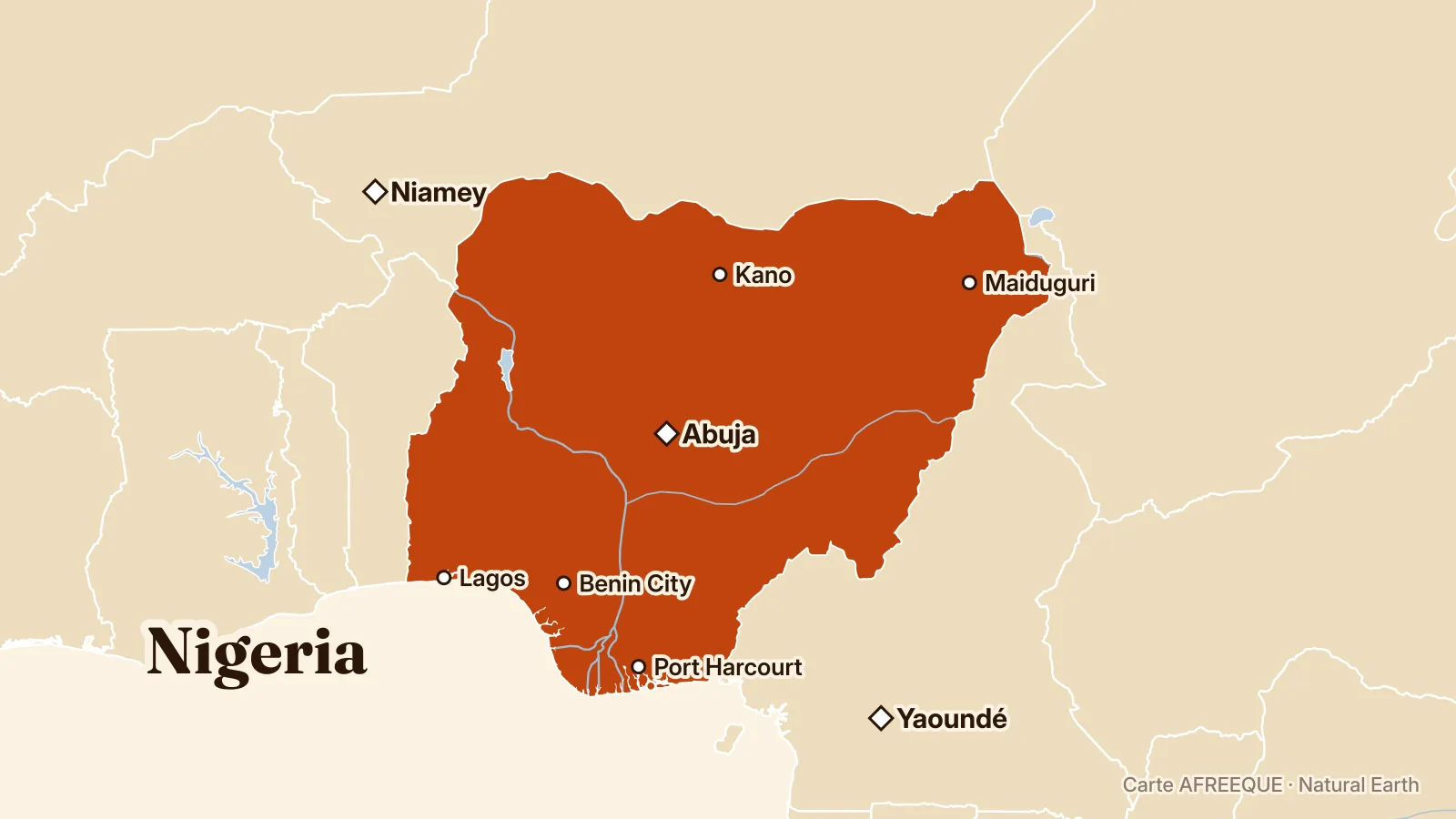
HIV programmes in West and Central Africa are funded almost 90% by international resources, a proportion that reaches 98% in Nigeria, according to UNAIDS' annual report published on 24 November 2026. The global annual funding gap for the fight against the virus stands at 4.3 billion dollars in low- and middle-income countries, UNAIDS reports.
HIV treatment in West and Central Africa is funded almost 90% by external resources, according to UNAIDS' annual report presented on Tuesday, 24 November 2026. In Nigeria, international resources account for 98% of the funding devoted to combating the virus.
In low- and middle-income countries, the annual funding shortfall for the HIV response now stands at 4.3 billion dollars in order to meet the targets set for 2030. Domestic public spending has increased in 55 countries, but debt repayments are reducing the investment capacity of many governments.
Financial restrictions are particularly affecting prevention services. Between 2024 and 2025, the number of people receiving pre-exposure prophylaxis (PrEP), intended for HIV-negative people exposed to the virus, fell by more than 50% in Cameroon, Nigeria and Zambia.
This decline comes as new preventive options are entering the market. In early November 2026, the US Food and Drug Administration (FDA) granted provisional approval to a generic injectable version of lenacapavir, administered twice a year. The medicine is to be made available in 120 low- and middle-income countries at an announced price of 40 dollars per person per year.
In September 2026, the Beninese government concluded an agreement providing for the payment of 544,042 euros to UNAIDS to fund its national activities in 2026 and 2027. Globally, estimates for 2025 indicate 1.2 million new infections and 570,000 AIDS-related deaths. Nearly nine million people living with HIV remain without treatment.
These figures follow calls for HIV funding made by UNAIDS in Rio on 28 July 2026, during an initiative devoted to progress achieved and the resources needed to sustain it. UNAIDS calls for funding to sustain progress against HIV had already highlighted the importance of maintaining investment.