














Two dead after 53 mushroom poisoning cases in Libya
By the AFREEQUE newsroom, based on Ean Libya
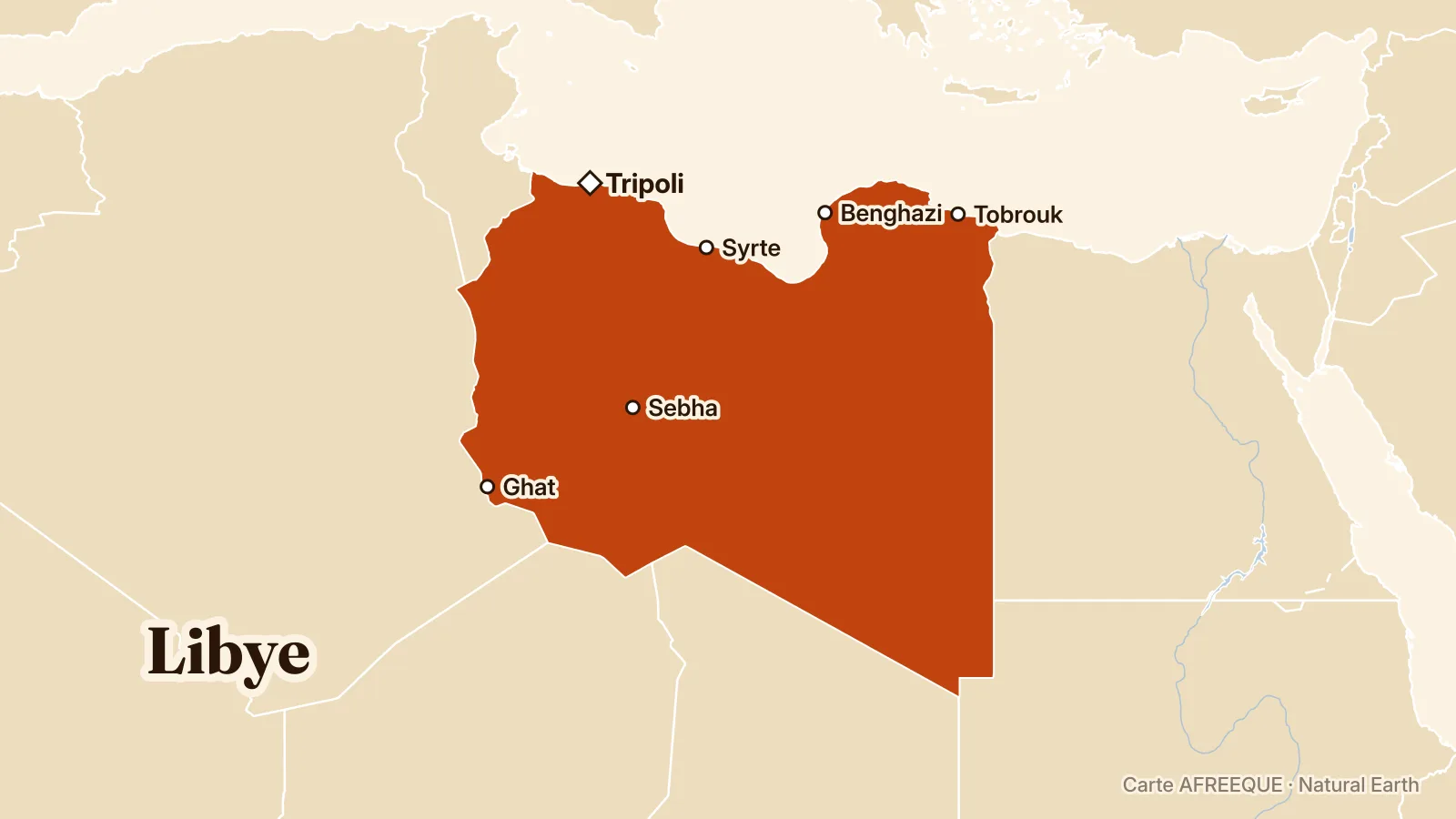
Fifty-three people have been poisoned by toxic wild mushrooms in Al-Bayda, Libya, two of whom died from acute liver failure. The Libyan Food and Drug Control Centre says 18 patients have been hospitalised and warns against toxins that resist cooking.
Fifty-three people have been poisoned after consuming toxic wild mushrooms in the city of Al-Bayda, in eastern Libya. Two patients died from acute liver failure, including a 17-year-old girl, according to the Libyan Food and Drug Control Centre.
Eighteen people have been hospitalised, some in intensive care, while 34 others were allowed to return home after their condition improved. Patients with severe cases were transferred to Benghazi, where their condition was deemed stable by the centre. Tests conducted with Omar Al-Mokhtar University identified two particularly dangerous species, including the death cap, known as the deadly mushroom.
The death cap contains amatoxins, particularly alpha-amanitin and beta-amanitin. These substances can destroy liver and kidney cells by disrupting the functioning of RNA polymerase II. The second species identified, locally called "zel al-kalb", contains muscarine and neurotoxic compounds that can cause neurological disorders, vomiting and severe diarrhoea.
The Food and Drug Control Centre warned that cooking, boiling or drying does not neutralise the toxic substances in these mushrooms. Their consumption therefore remains dangerous even after heat treatment.