UN migration agency to support EU-Rwanda return hub
By the AFREEQUE newsroom, based on UG Diplomat
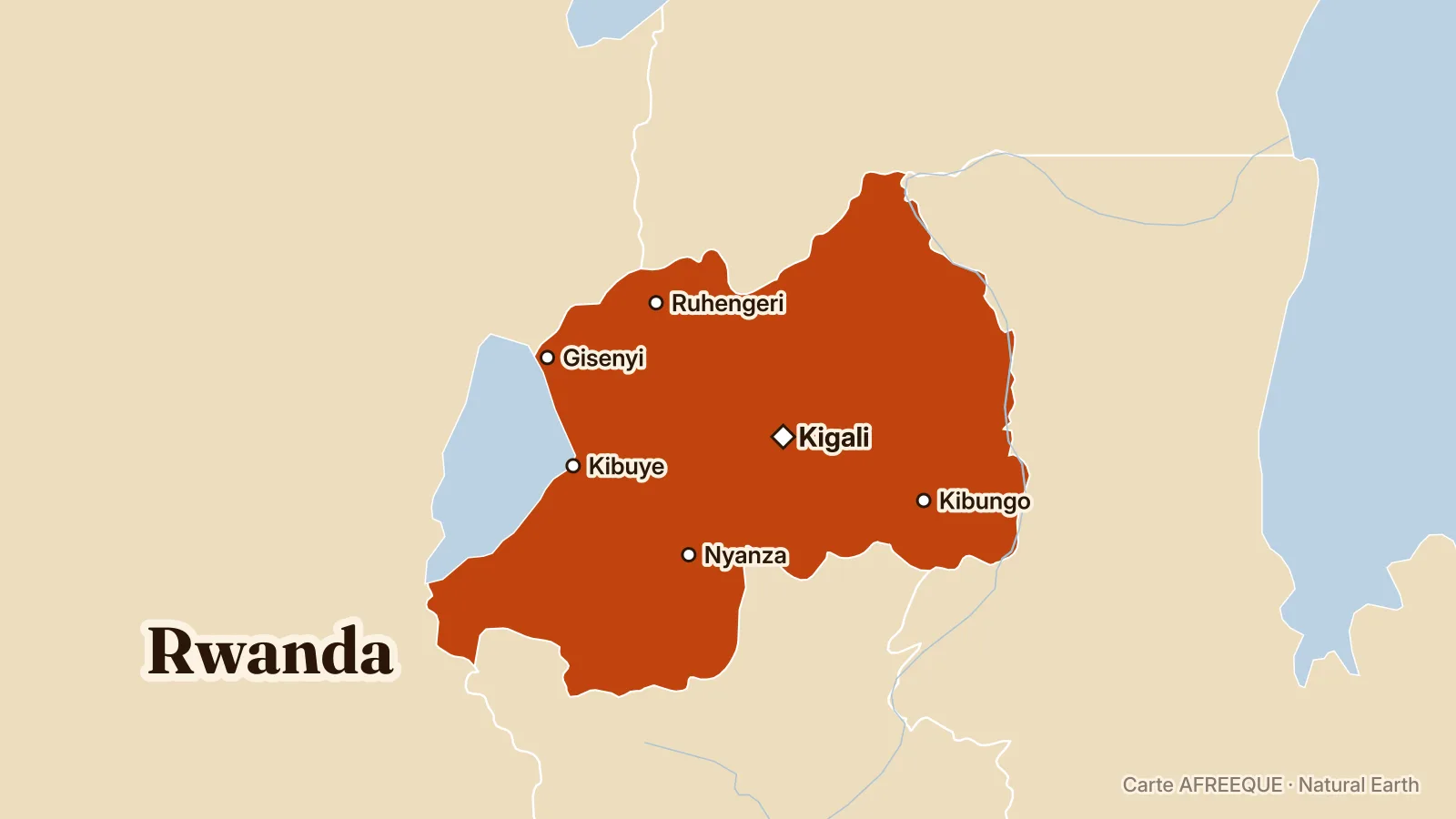
The International Organization for Migration (IOM) said it was ready in principle to support the EU-Rwanda return hub, on condition that it stay out of forced expulsions, detention and security operations. It would intervene only once migrants arrive in Rwanda, providing health and protection services, according to a statement dated 16 November 2026.
The International Organization for Migration (IOM), the UN agency dedicated to migrants, has agreed in principle to support the planned return hub between the European Union and Rwanda. It does, however, rule out any participation in forced removals, detention or police and security operations, according to a statement issued on Monday, 16 November 2026.
According to the IOM, which has received a request for operational support from the Rwandan government, its assistance would begin only once people arrive in Rwanda. It would be limited to humanitarian and protection services: health care, mental health and psychosocial support, information and advice, screening for protection needs, and referrals. The agency could also facilitate access to the Rwandan labour market for migrants who voluntarily choose to integrate.
The project is being developed by Rwanda and five European countries: Germany, Austria, Denmark, Greece and the Netherlands. It would target people who have exhausted legal avenues to remain in those countries and have received a return decision. Once transferred, they could settle in Rwanda, return to their countries of origin or move to a country where they have a right of residence.
The Netherlands has said the initial phase would concern single men, with first transfers expected in 2027. The participating governments are still working out the operational details. The IOM says it has been approached by several EU member states and has advised on the legal, operational and protection aspects of such arrangements, including compliance with international and regional standards.