Tunisia plans 1,200 MW of additional electricity capacity from 2027
By the AFREEQUE newsroom, based on La Presse de Tunisie
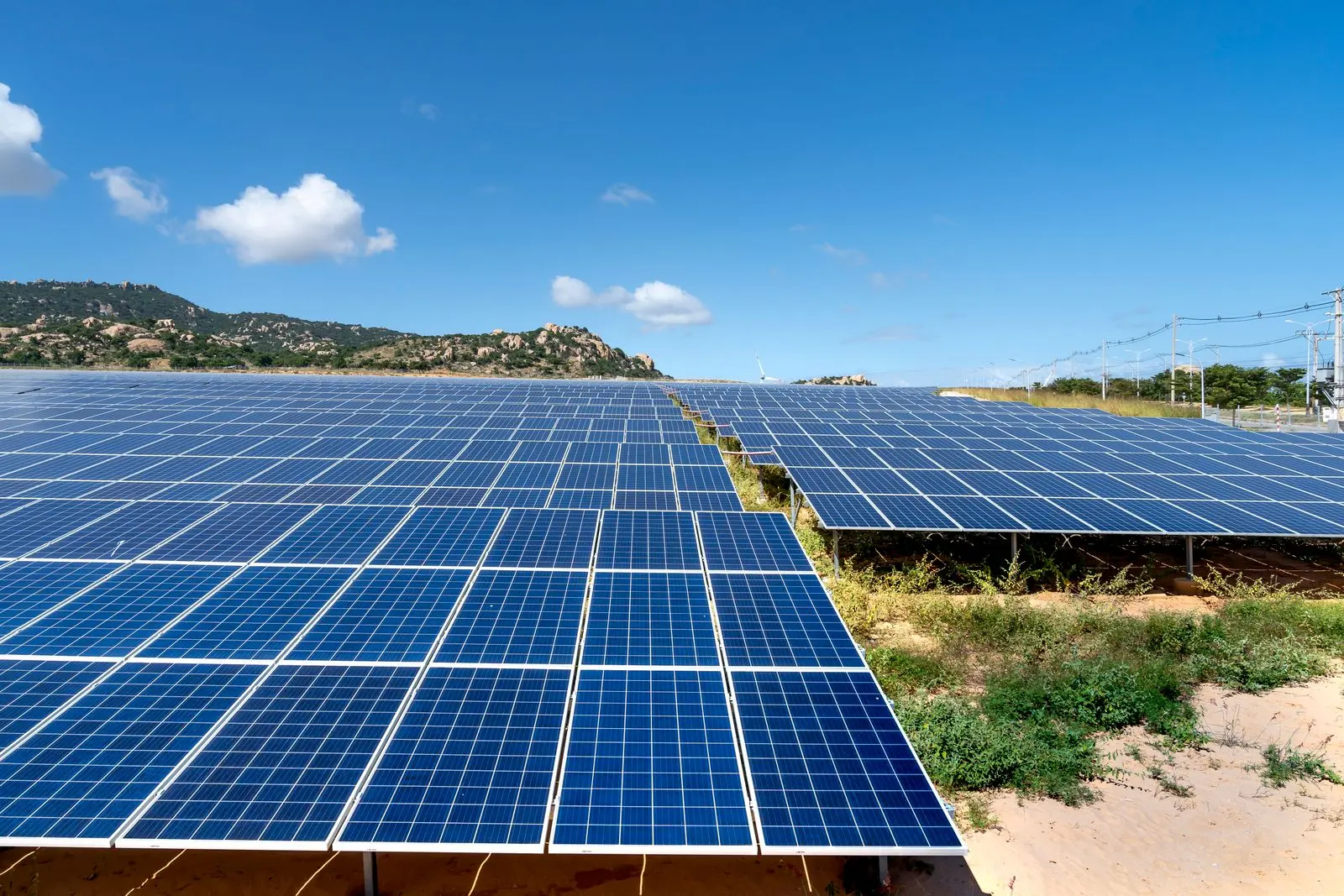
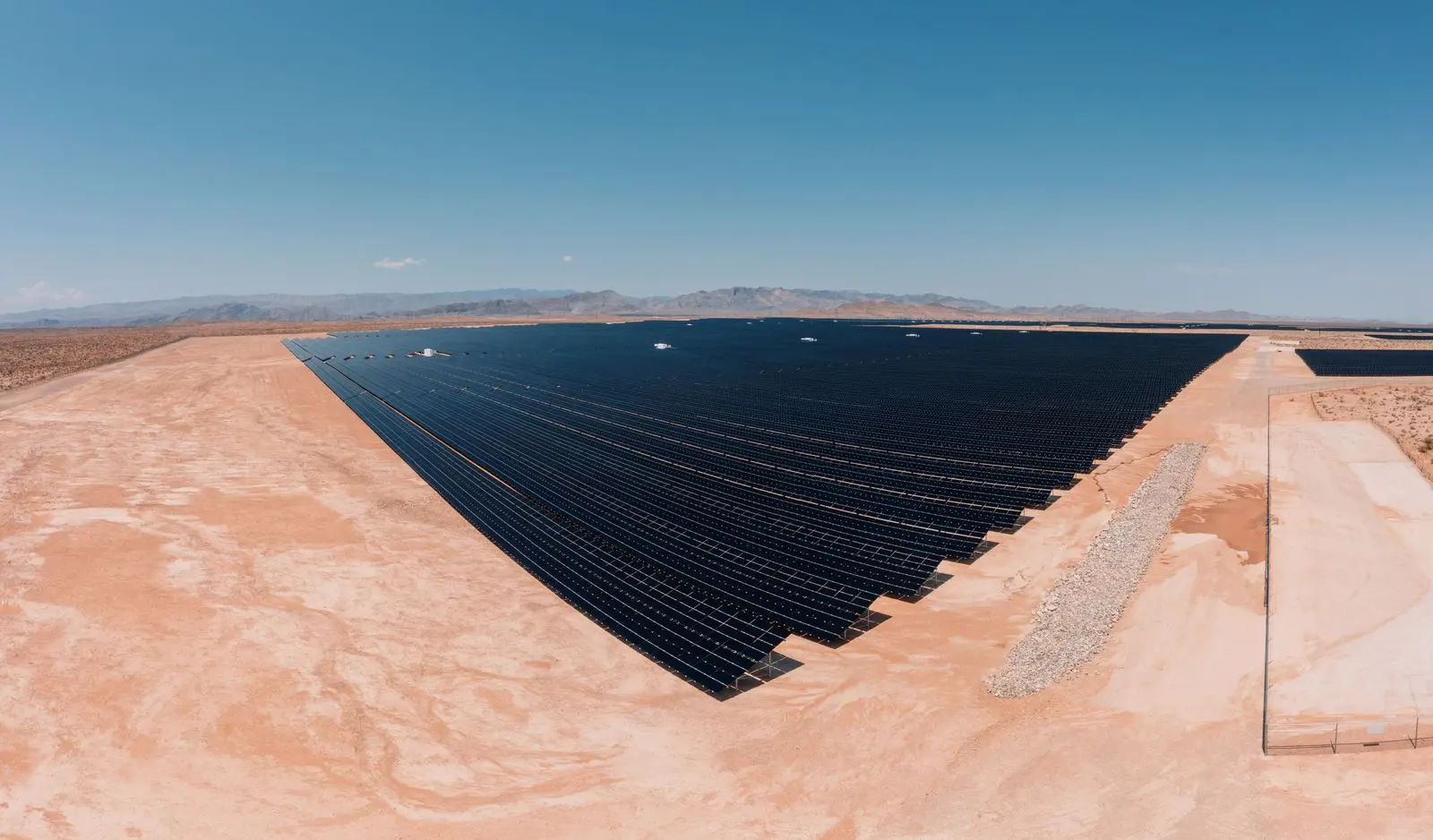 Illustrative image · K · Pexels · Licence Pexels
Tunisia plans to add 1,200 MW of electricity generation and storage capacity from 2027, followed by another 300 MW in 2028, amid an estimated shortfall of 1,400 MW during the summer of 2026. These plans, presented in Tunis on 19 November to more than 100 companies, rely on energy storage, photovoltaic power and gas engines, according to La Presse de Tunisie.
Tunisia plans to add 1,200 MW to its electricity generation and storage capacity in 2027, followed by an additional 300 MW in 2028. The programme aims to secure energy supplies and meet growing industrial demand. It was presented on 19 November in Tunis at a meeting organised by the member chambers of the Council of Mixed Chambers (CCM), attended by more than 100 companies, executives from the Tunisian Electricity and Gas Company (STEG) and government representatives, according to a statement from the Tunisian-Italian Chamber of Commerce and Industry (CTICI).
The investments planned for 2027 are divided between three types of equipment: 500 MW of energy storage, 500 MW of photovoltaic power plants and 200 MW of gas-powered engines. This increase is intended to accommodate an anticipated 5% rise in electricity consumption. During the summer of 2026, demand reached 6,400 MW, while domestic production was capped at 4,200 MW and imports at 800 MW. STEG had to introduce rolling power cuts to cope with the electricity shortage.
The difficulties directly affect the industrial sector. A survey conducted in September 2026 by the CCM among its member companies found that 85% of the businesses surveyed had experienced repeated interruptions to their electricity supply during the summer. Some faced daily outages lasting between one and four hours, resulting in productivity losses and additional expenses, particularly because of delivery delays, overtime and damaged equipment.
STEG has also installed more than 7,000 smart meters to monitor consumption more effectively and manage periods of high demand. In 2028, a 300 MW gas turbine is due to enter service in Borj El Amri to further strengthen the electricity grid. These investments come amid growing pressure on national electricity supplies. On 13 November 2026, forecasts of a 2,800 MW electricity shortfall in 2027 had already been published.