Cyril Ramaphosa calls for stronger support for South African SMEs
By the AFREEQUE newsroom, based on Bizcommunity, Presidency of the Republic of South Africa and SAnews

South African President Cyril Ramaphosa has called for stronger support for micro, small and medium-sized enterprises, which he considers an essential driver of economic growth, production and employment. At a meeting held on 26 November 2026 in Sandton, he stressed access to finance, markets, infrastructure and technology, according to Bizcommunity.
Cyril Ramaphosa believes that the obstacles facing small businesses should guide economic policies and public sector reforms. He specifically cited difficulties in accessing finance, commercial opportunities, infrastructure and technological tools. These priorities must be incorporated into the « National MSME One Plan », championed by the Minister of Small Business Development, Stella Ndabeni, the president said during his address in Sandton.
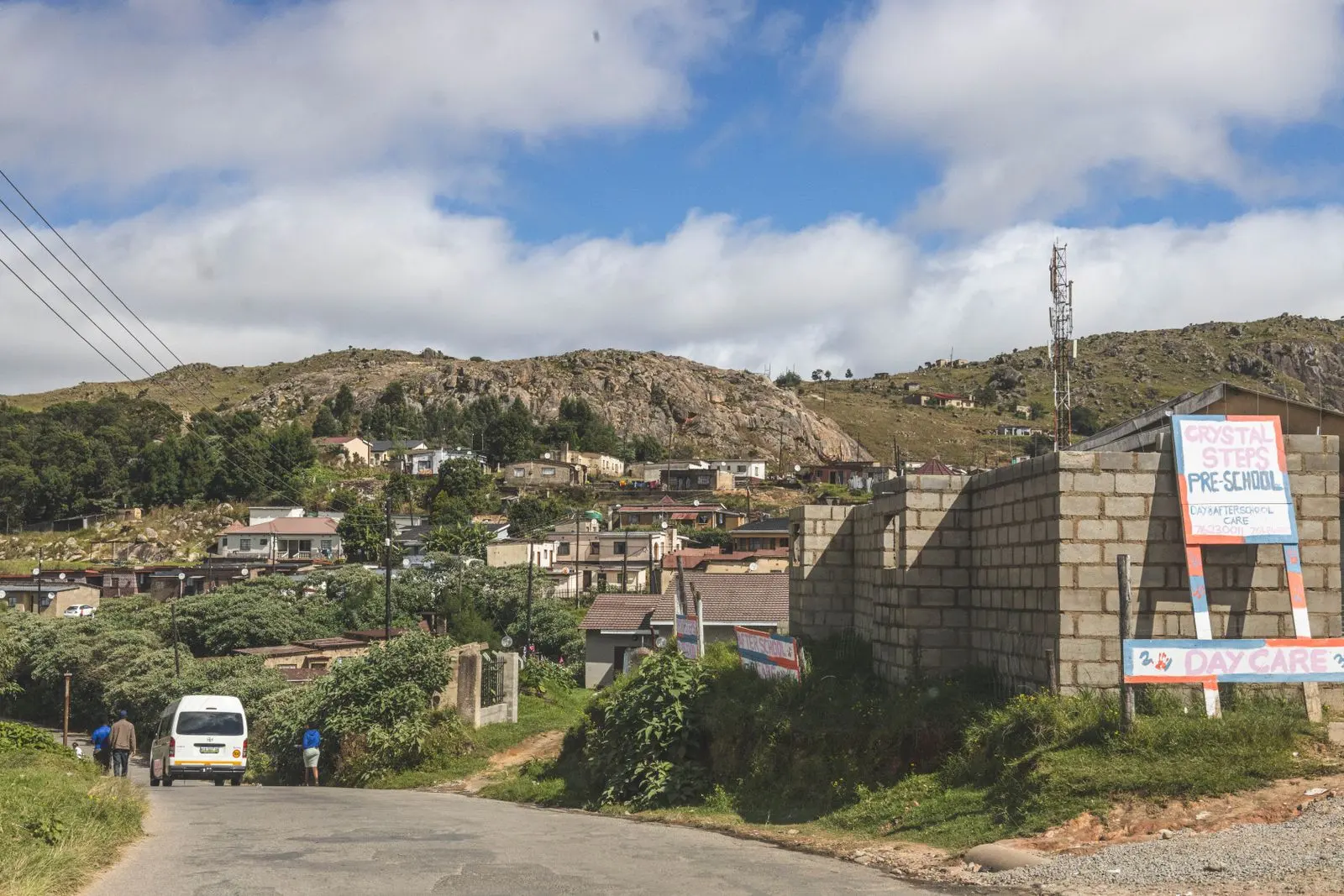
South Africa has around three million owners of micro, small and medium-sized enterprises. Ramaphosa considers their development essential to broadening economic participation, strengthening local value chains and increasing exports. In particular, he wants more small-scale manufacturers to become suppliers to major industrial groups and businesses in townships to expand their operations to other provinces and the rest of the continent.
The president also referred to approximately 890 billion rand in investment commitments secured at the South African Investment Conference held earlier in the year. He believes small businesses should benefit from these economic developments. He called on large companies to support them through supply contracts, mentoring programmes, technology transfers and financing opportunities.
Ramaphosa also highlighted the opportunities offered to entrepreneurs by artificial intelligence, advanced computing and automation, which are already transforming several economic sectors. He also recalled that small and growing businesses are expected to contribute around nine million jobs out of the additional 11 million targeted by the National Development Plan by 2030.