Cash handouts will not solve poverty, Tinubu adviser says
By the AFREEQUE newsroom, based on Punch
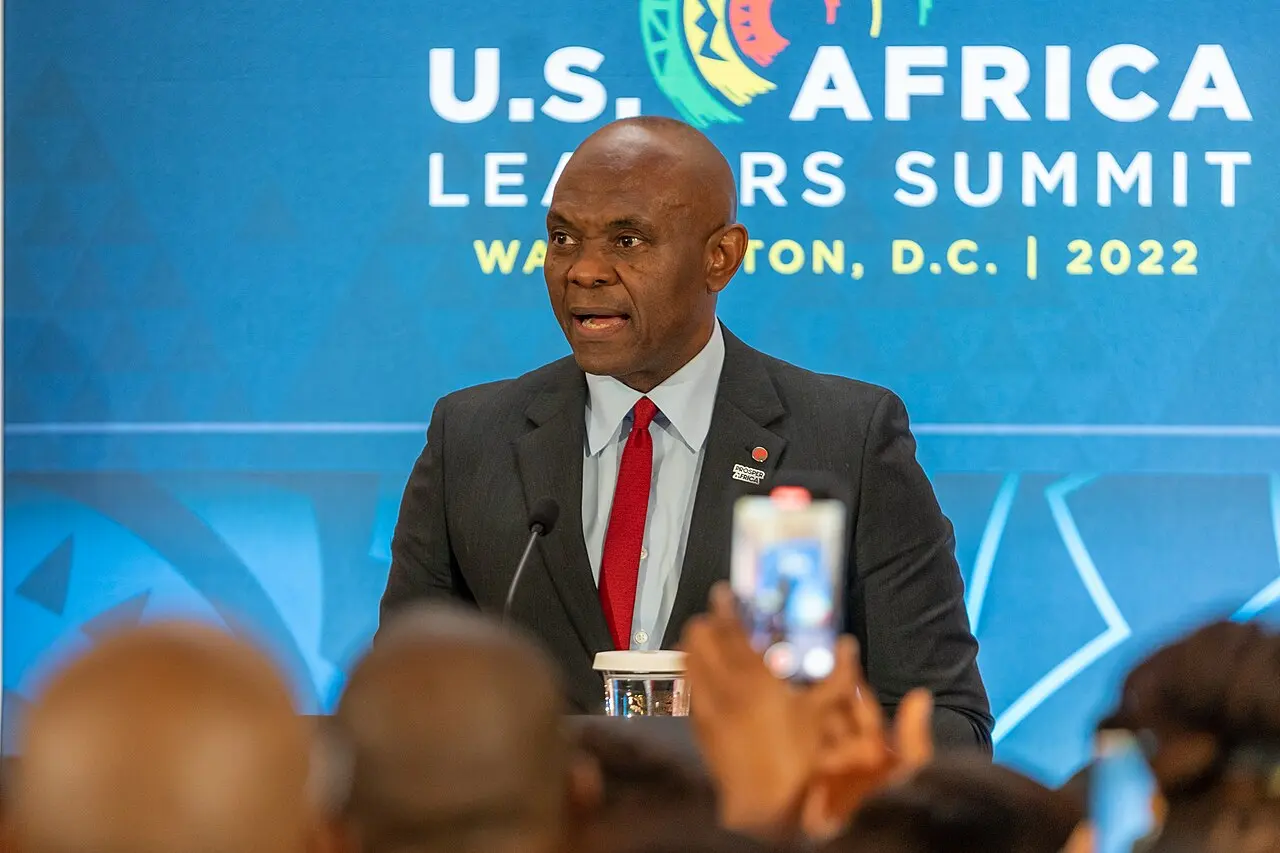
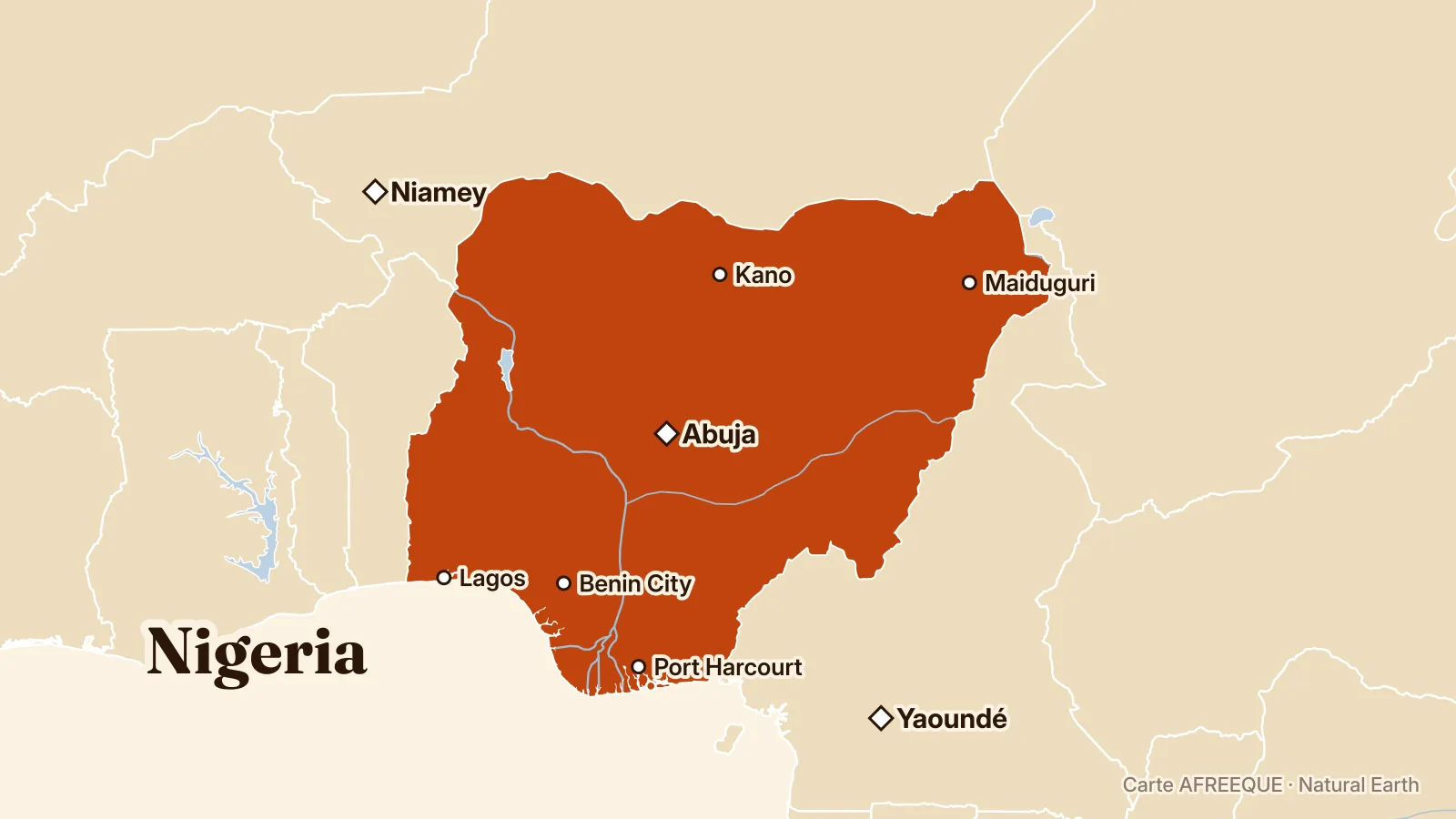
Tope Fasua, special adviser to Bola Tinubu on economic affairs, believes that handing out money without addressing economic problems will not reduce poverty in a lasting way. He made these remarks on Thursday in Abuja, at the National Growth and Development Forum 2026, calling for macroeconomic stability, productivity and job creation, according to Punch.
Nigerian President Bola Tinubu’s economic adviser, Tope Fasua, believes that handing out money to the population will not be enough to reduce poverty in a lasting way. Speaking at the National Growth and Development Forum 2026, held on Thursday 19 November in Abuja, he called on the government to prioritise economic stability, investment, productivity and job creation, Punch reports.
Tope Fasua acknowledged the financial difficulties facing Nigerians, while arguing that a lasting improvement in their living standards depended on a stable macroeconomic environment. He estimated that monetary financing provided under the previous administration through the Central Bank of Nigeria’s Ways and Means mechanism amounted to between 30,000 and 35,000 billion naira. However, he noted that the Covid-19 pandemic had complicated the management of public finances during that period.
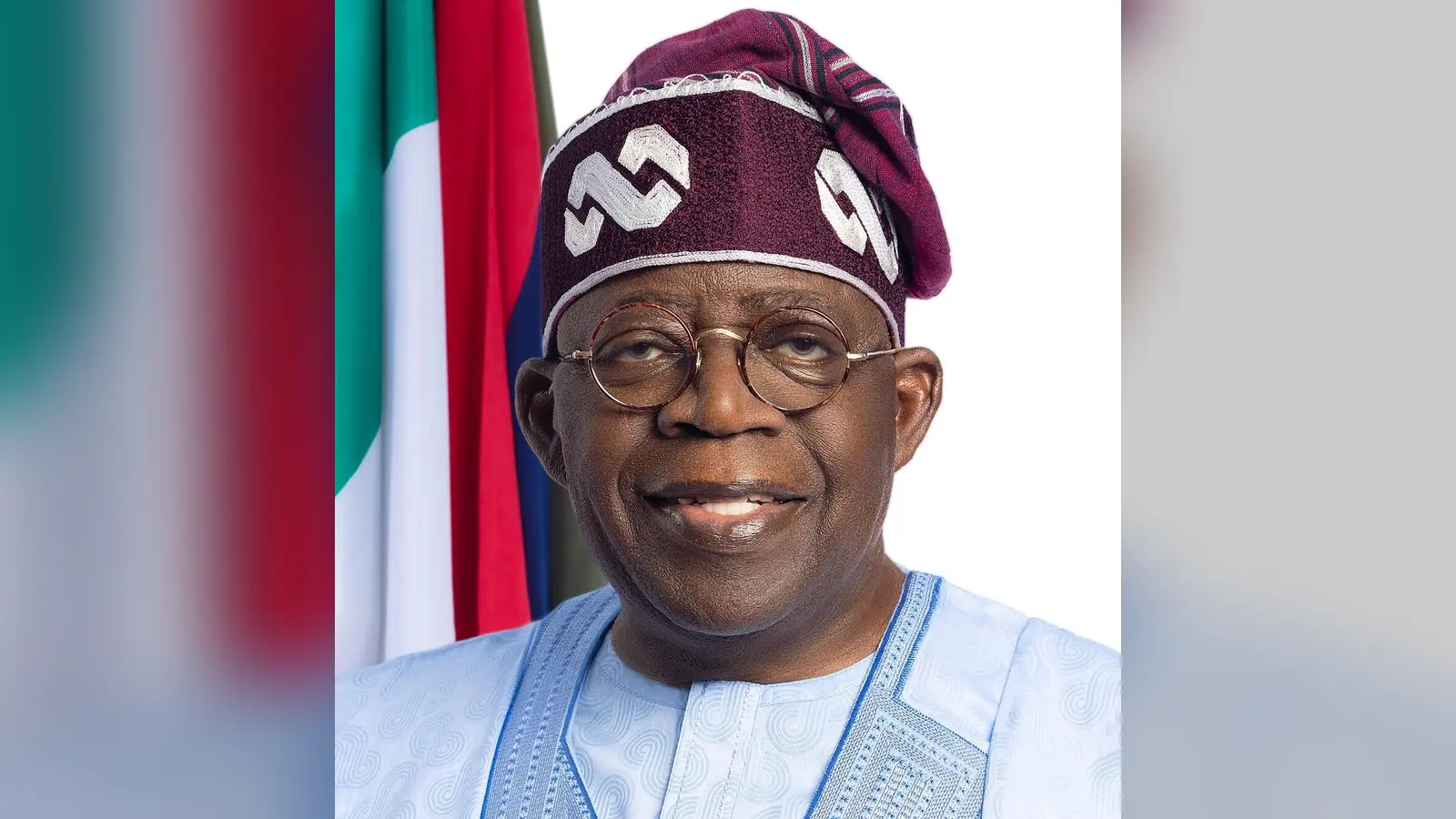
The presidential adviser defended the economic reforms undertaken by Bola Tinubu, including the removal of fuel subsidies and the change to the exchange-rate regime. He said that the support previously granted to the oil sector amounted to around $15 billion a year and largely benefited powerful industry interests. According to him, the foreign exchange reform had also limited opportunities for arbitrage and improved access to foreign currency for industrialists and individuals.
Tope Fasua placed the most difficult period of these changes between late 2023 and 2024. He cited economic growth of 4.43% in the second quarter of 2026, slowing inflation and improved external reserves as signs of favourable developments. He nonetheless acknowledged that poverty remained a major problem and encouraged the development of entrepreneurship in agriculture, infrastructure, industry, health and technology.