In Liberia, solar power expands as hydropower falls
By the AFREEQUE newsroom, based on Front Page Africa
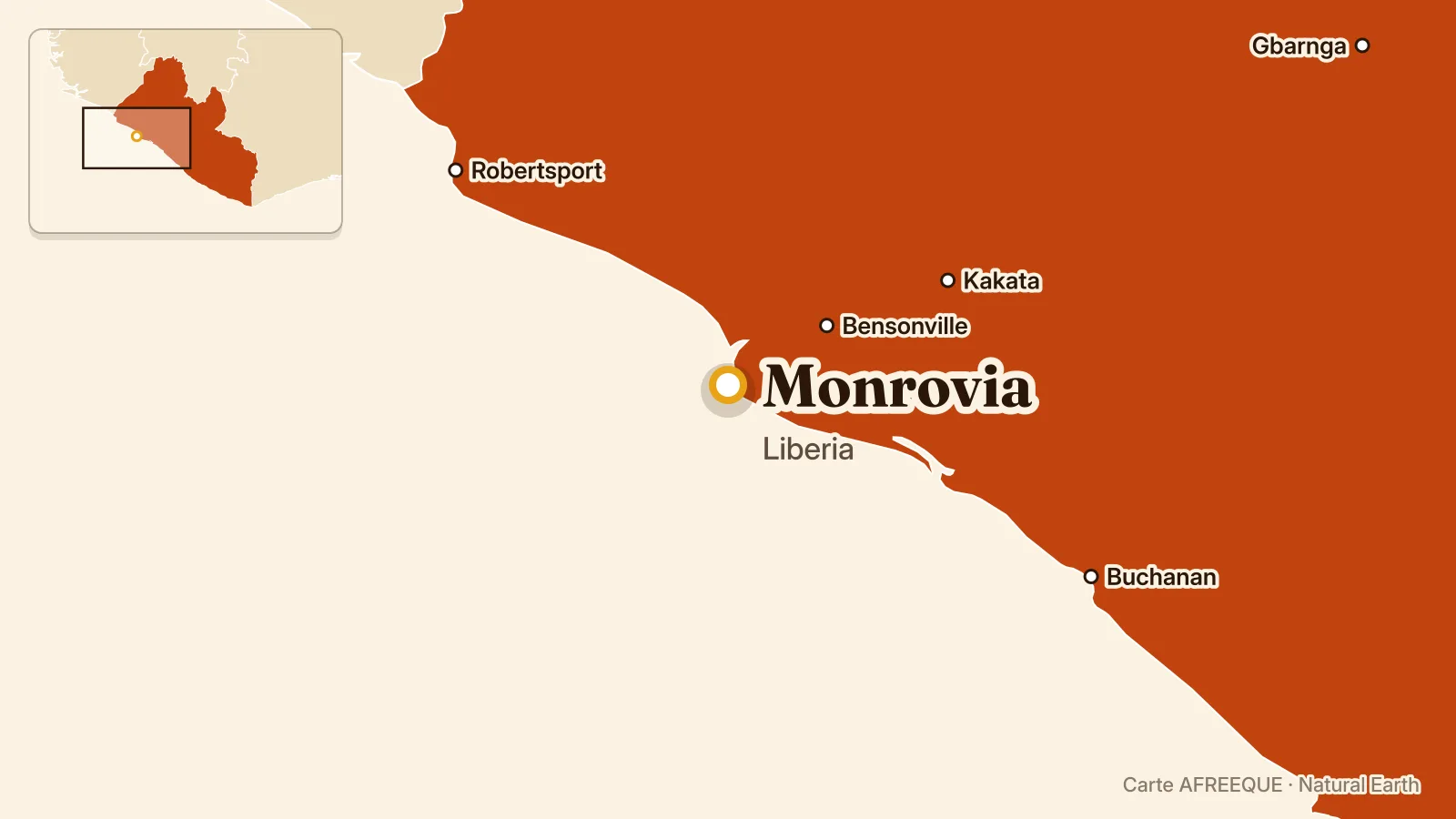
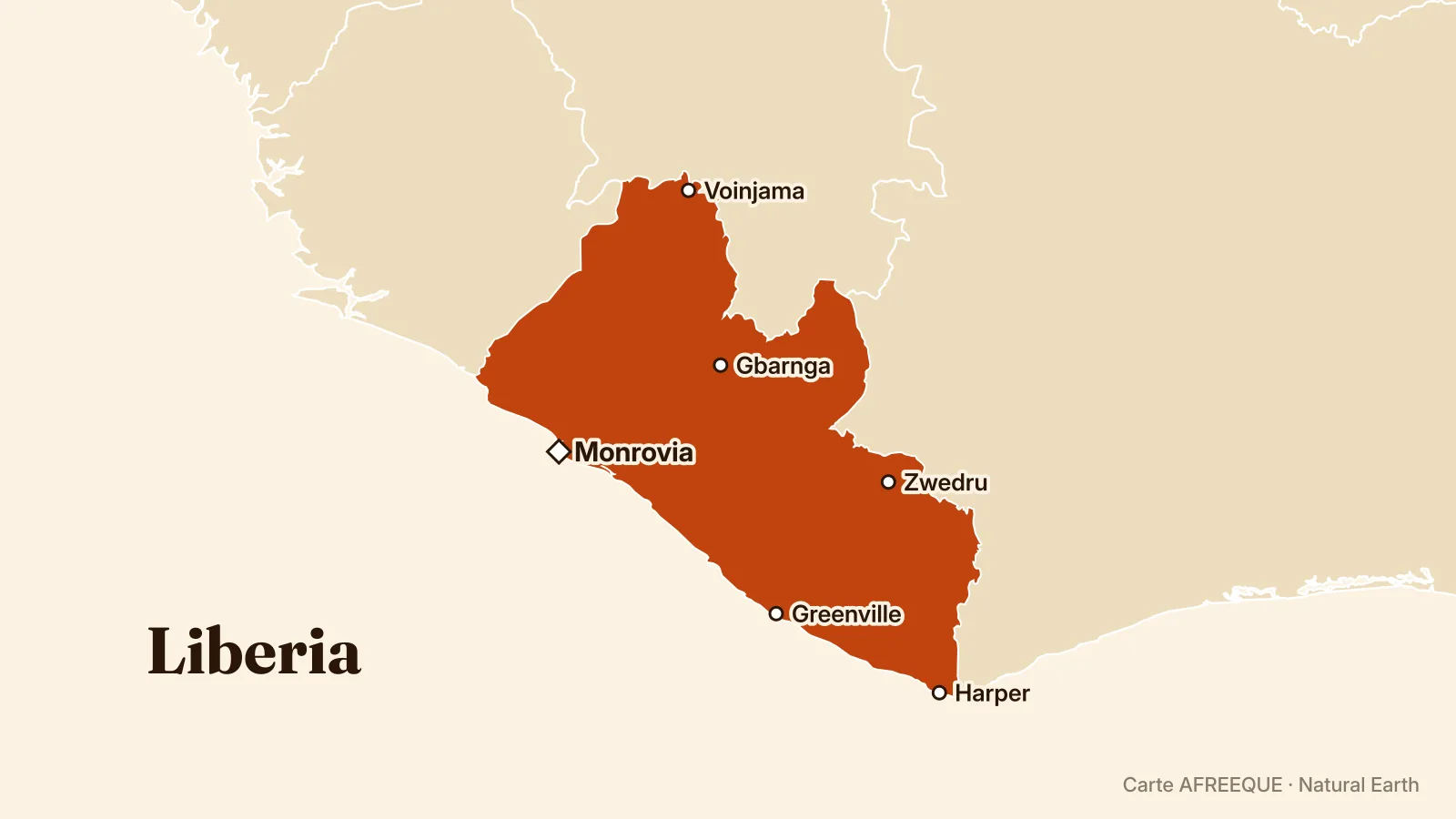
Liberia is expanding solar power because the drop in hydropower during the dry season leaves it dependent on fuel and on imports from Ivory Coast. According to Front Page Africa, President Joseph Boakai inaugurated a 20-megawatt solar plant at Mount Coffee, the site of the country’s main hydropower plant, in June 2026.
Liberia plans to raise its solar power output to 90 megawatts by 2029 in order to reduce its dependence on hydropower and energy imports. The government is banking in particular on the extension of the Mount Coffee solar plant and the installation of storage batteries, reports Front Page Africa.
Falling water levels during the dry season sharply reduce output at the Mount Coffee hydroelectric plant, the country’s main national electricity generation facility. Between January and May, its output can fall by more than 75%. This forces the country to rely more heavily on heavy fuel oil power plants and on electricity purchased from Ivory Coast.
In June 2026, President Joseph Boakai inaugurated a 20-megawatt solar plant at the Mount Coffee site. The project, backed by the World Bank under the regional emergency intervention programme for solar energy, obtained its licence in August. It is a first step towards the 90-megawatt target set for 2029.
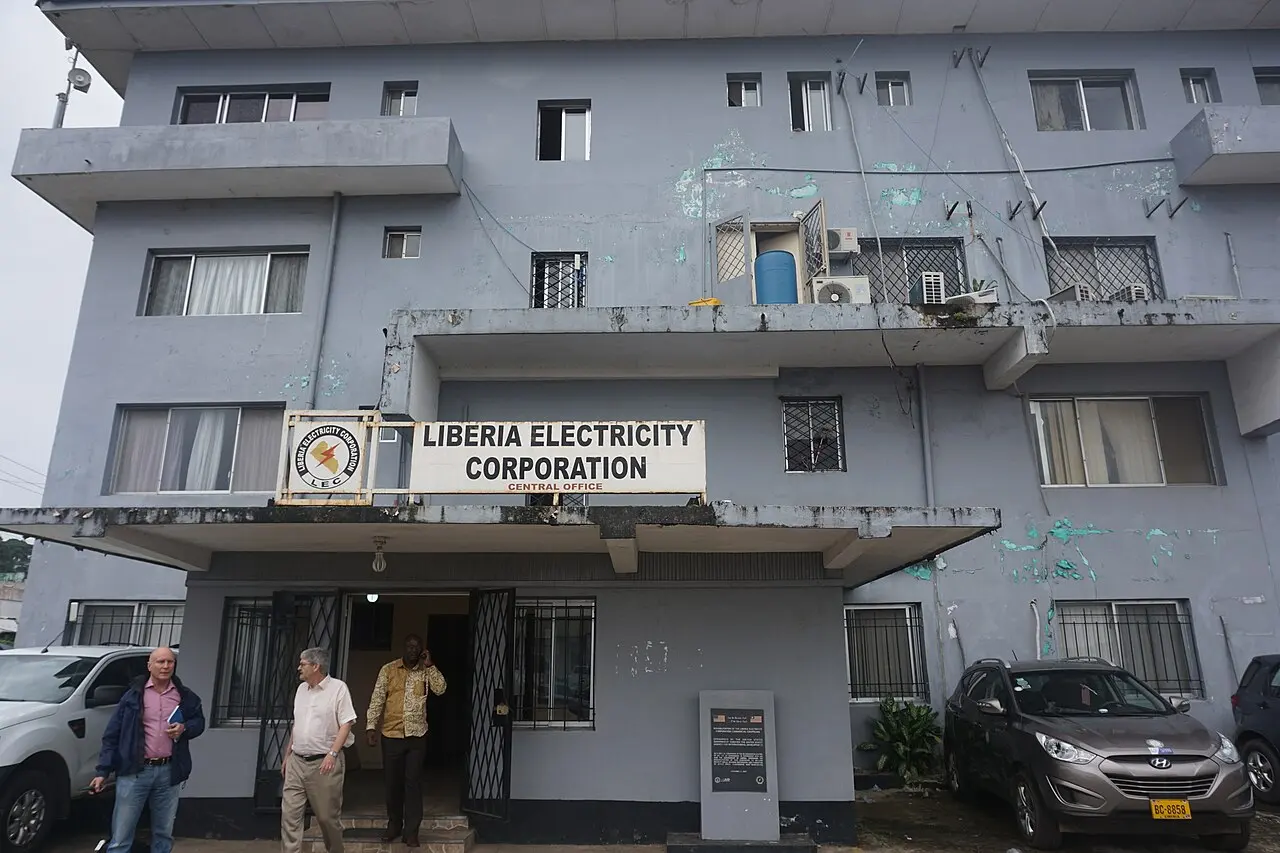
Liberia must also strengthen its distribution network to carry electricity to consumers. Moses Farley, projects director at the Liberia Electricity Corporation, stressed during a discussion held at the Liberian pavilion at COP31 in Antalya, Turkey, that additional output would not be enough without a network capable of distributing it. The management of used solar panels also presents a challenge for the development of the sector.
The installed electricity capacity recorded in Liberia’s National Energy Pact reaches 126 megawatts. It comprises 88 megawatts from hydropower at Mount Coffee and 38 megawatts from heavy fuel oil power plants.