Climate: CFA 30 billion mobilised against $13 billion in required funding
By the AFREEQUE newsroom, based on Senego
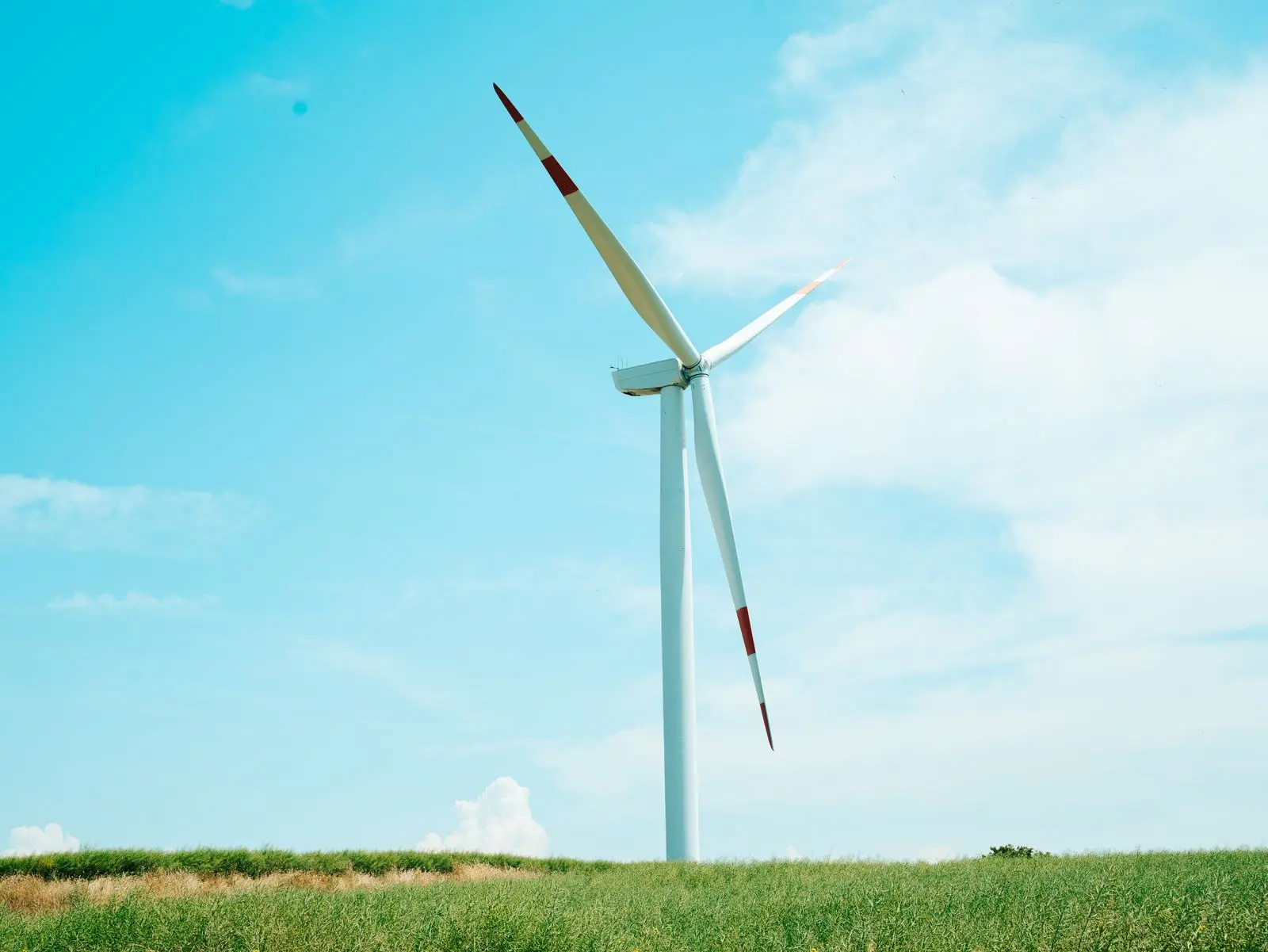 Illustrative image · Memet Öz · Pexels · Licence Pexels
Following COP31, the authorities report that more than CFA 30 billion has already been raised for climate action, according to Senego. This amount remains far below the $13 billion required by the revised nationally determined contribution by 2030, nearly $8.7 billion of which depends on international support.
Senegal has mobilised more than CFA 30 billion to finance its climate action and is expected to receive an additional $17 million from commitments announced after COP31, according to Senego. Together, these resources amount to nearly $67 million, far below the needs estimated in the country’s revised Nationally Determined Contribution (NDC). Submitted to the United Nations Framework Convention on Climate Change in 2020, this programme estimates that more than $13 billion in investment will be needed by 2030 to reduce emissions and help the country adapt to the effects of climate change.
Of this amount, approximately $8.7 billion depends on international financial support. Across the continent, the needs associated with the energy transition are estimated to reach $2.5 trillion by 2030. African populations emit an average of 75% less greenhouse gases than the global average, while their countries are heavily affected by the consequences of climate change. At COP31, African environment ministers called on industrialised economies to accelerate the funding pledged under the Paris Agreement.
The composition of these resources is another issue for Dakar. They may take the form of grants, preferential-rate or commercial loans, guarantees and private capital. This issue is particularly important for Senegal, whose public debt accounted for more than 80% of the wealth produced annually in the country, according to International Monetary Fund estimates released in 2024. The country had then renegotiated its programme with the institution after the discovery of a budget liability that had been underestimated by the previous administration.
On 14 November 2026, during a panel organised at the Senegalese pavilion in Antalya, Antoine Faye, an independent consultant and negotiator for the Senegalese delegation, proposed the creation of a national fund dedicated to climate financing. His aim is to improve the monitoring of resources and make them more accessible to local authorities. This proposal is in line with discussions at COP31 on climate adaptation financing, as well as debates on GEF climate funds brought together at the conference on 17 November.