Tap water declared unsafe after 408 illnesses in Bronkhorstspruit
By the AFREEQUE newsroom, based on Bizcommunity
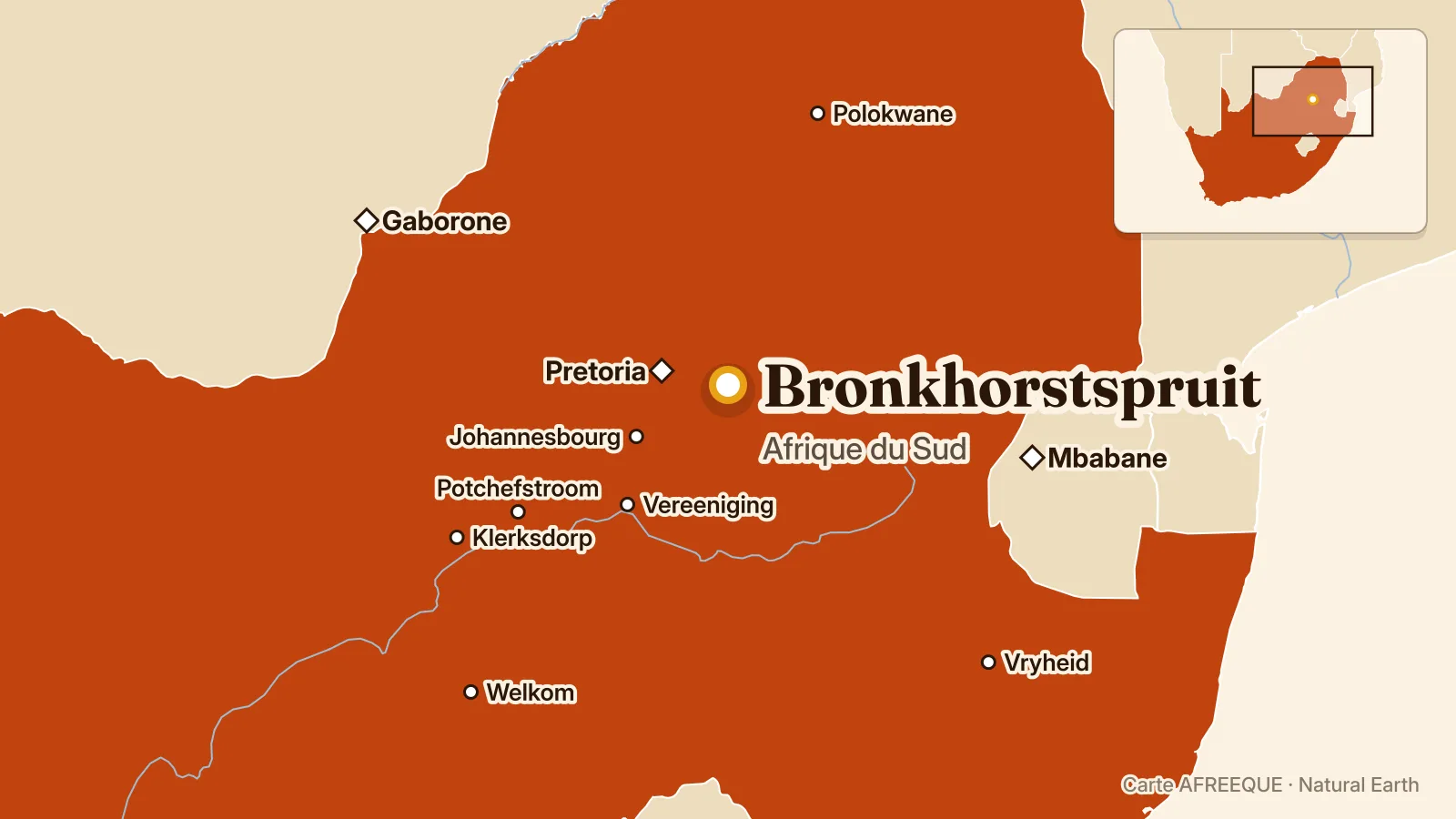
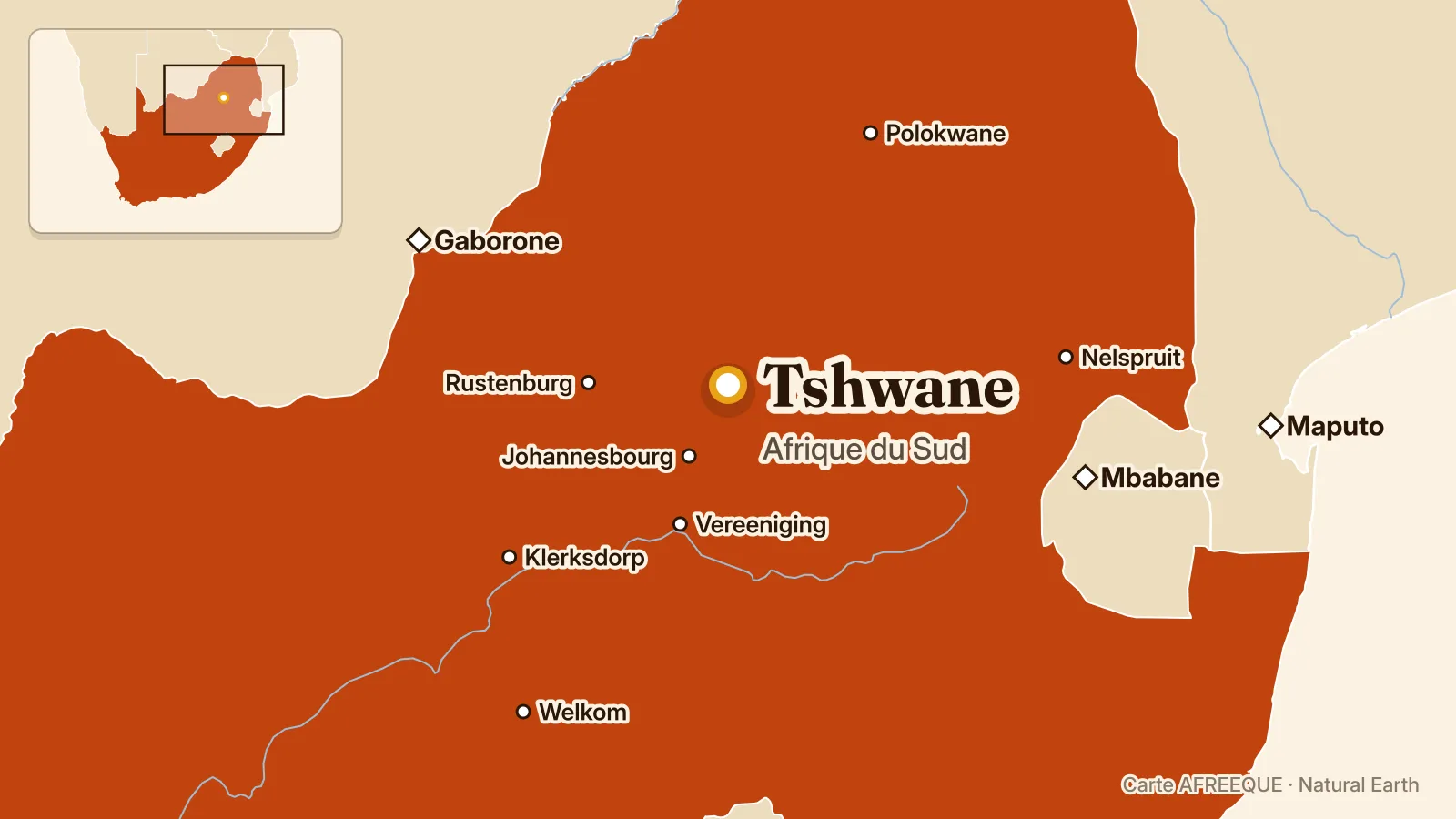
The City of Tshwane has banned drinking tap water in Bronkhorstspruit, South Africa, after high levels of E. coli and other bacteria were detected. The alert comes after 408 cases of gastrointestinal illness were reported between 7 and 18 October, according to the City of Tshwane.
The City of Tshwane has banned drinking tap water in areas served by the Bronkhorstspruit network after tests revealed bacterial contamination. The alert follows 408 cases of gastrointestinal illness reported from 7 to 18 October, according to the municipality, quoted by Bizcommunity.
Samples taken on 14 October at the Bronkhorstspruit treatment plant and in the reservoirs of Zithobeni and Ekandustria revealed high levels of E. coli and other bacteria. Laboratory results received on 17 October indicated possible contamination by human or animal waste, according to the municipality.
Residents of Bronkhorstspruit and nearby areas, including Zithobeni, Rethabiseng, Ekandustria, Ekangala and Dark City, must use tap water only to flush toilets. The instruction also applies to communities supplied by the cross-border network of Thembisile Hani Local Municipality. The contaminated water must not be used for drinking, cooking, washing or preparing baby food; boiling it does not make it safe, the municipality warned.
The city plans to provide free drinking water by tanker, at a rate of at least 15 litres per person per day, and to check its quality. It will inform the affected communities of collection points and delivery times. The new alert follows 408 cases linked to contaminated water in Bronkhorstspruit, reported on 19 October, and illnesses linked to Tshwane’s unchlorinated water, published on 20 October.
Summary produced with the help of artificial intelligence tools, under AFREEQUE’s editorial responsibility.