Stunting affects 32% of children in Nigeria
By the AFREEQUE newsroom, based on ThisDay
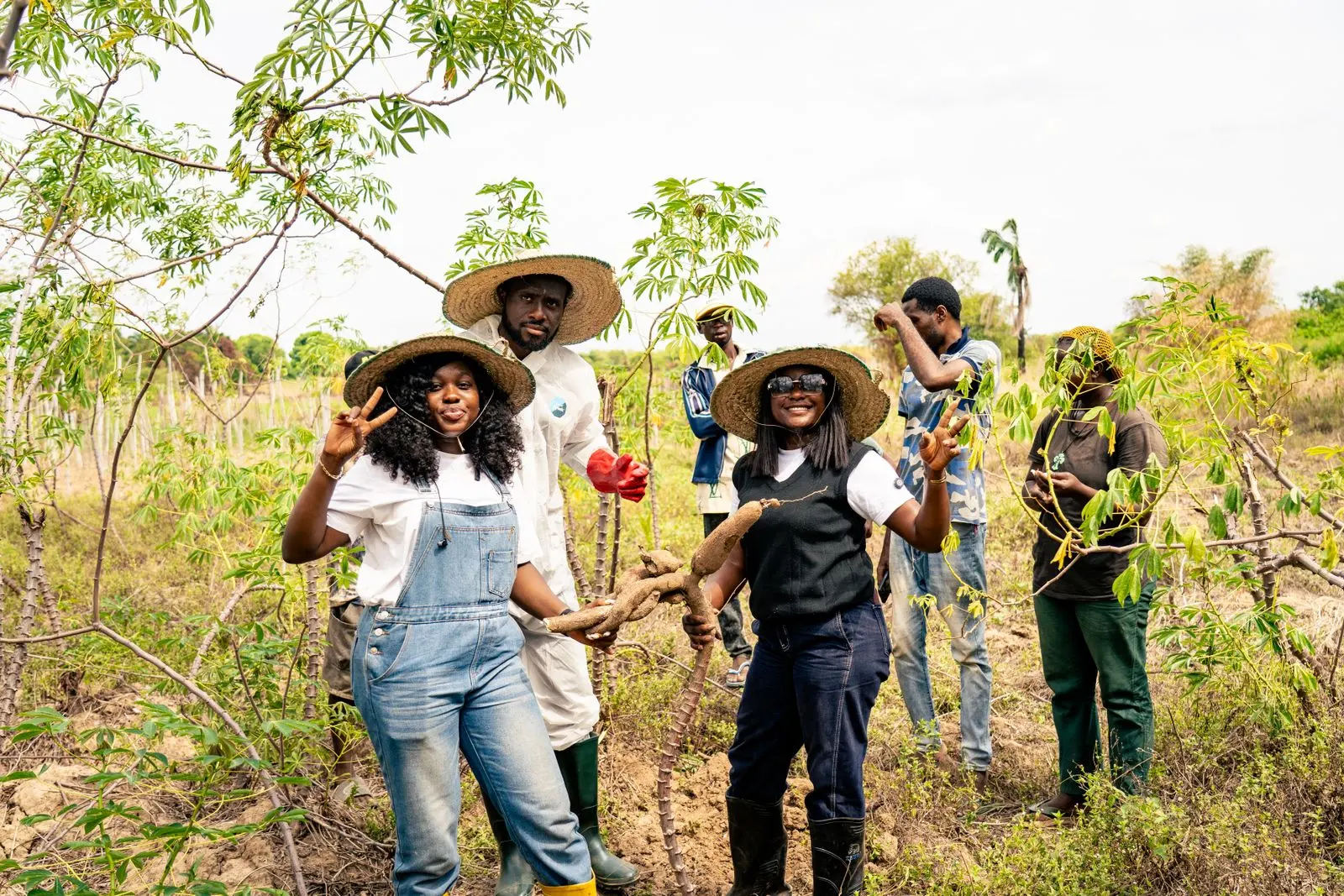
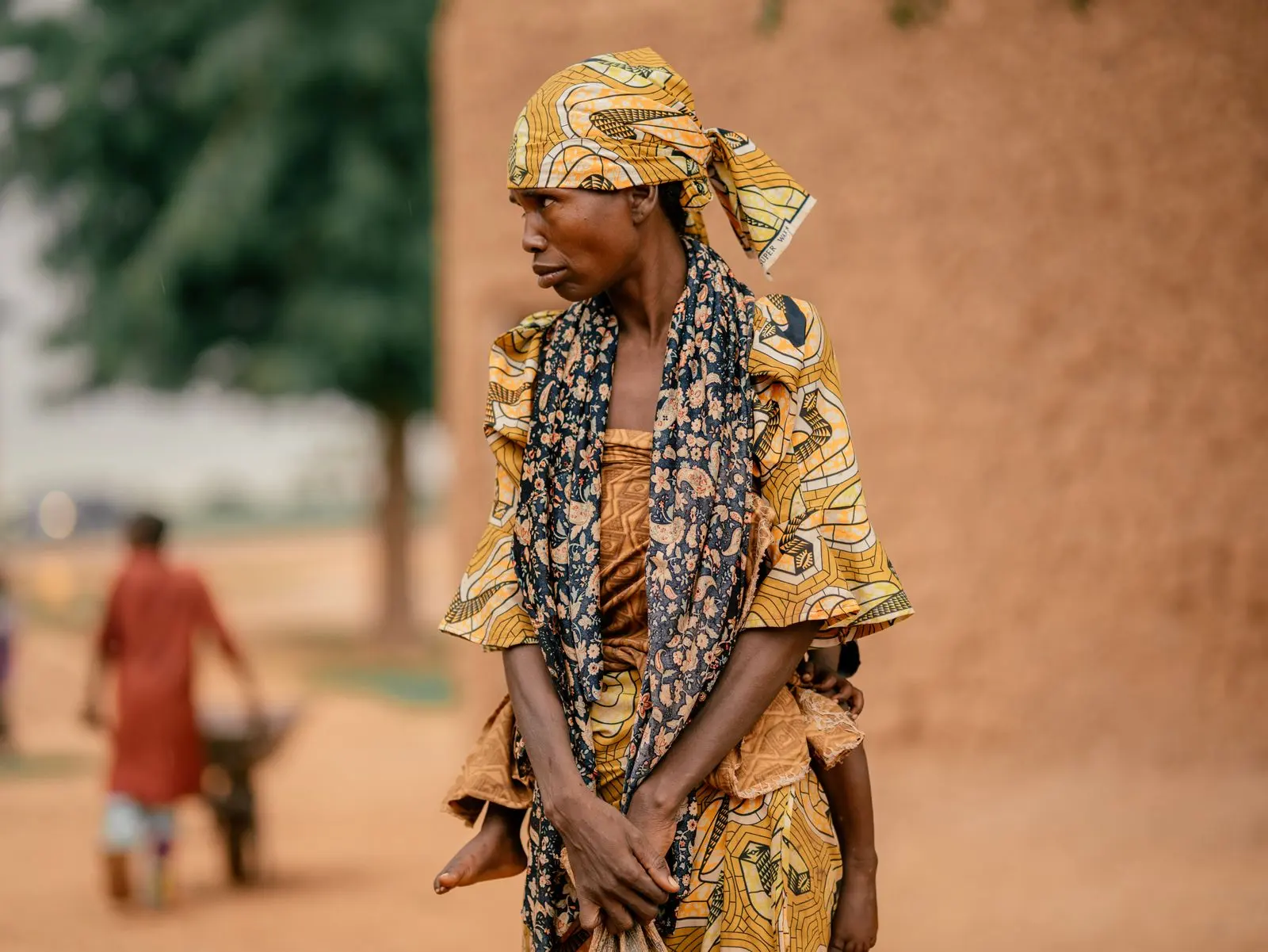 Illustrative image · Najim Kurfi · Pexels · Licence Pexels
Nigeria ranks second in the world for the number of children affected by stunting, with a national prevalence of 32%. The permanent secretary of the Federal Ministry of Health, Daju Kachallom, said in Abuja, at the 10th annual conference of the Association of Nigeria Health Journalists, that about four in ten children under five are affected, according to ThisDay.
Stunting affects 32% of children in Nigeria, according to the federal government, which ranks the country second in the world by the number of children affected. The permanent secretary of the Federal Ministry of Health and Social Welfare, Daju Kachallom, announced these figures at the opening of the 10th annual conference of the Association of Nigeria Health Journalists in Abuja.
Available estimates put the proportion of children under five affected at between 31.5% and 39.5%. The World Health Organization associates this developmental disorder with inadequate nutrition, repeated infections and a lack of psychosocial stimulation. Daju Kachallom estimates that about four in ten Nigerian children are affected.
The official also presented the results of the Health Sector Renewal Investment Initiative, launched by President Bola Tinubu in December 2023. According to her, all 41 presidential commitments in the health sector have been fulfilled and 12 of the 13 indicators monitored have improved. In total, 3,526 primary healthcare centres have been renovated and work on another 900 is under way.
In the 172 local government areas covered by the MAMII programme, the proportion of facilities supported by the Basic Health Care Provision Fund with at least two midwives or community health workers rose from 12% to 91%. Deliveries attended by skilled personnel at these facilities increased from 4.8 million in 2023 to 7.9 million by mid-2026. Between 2023 and 2025, maternal deaths in these areas fell by 17% and neonatal deaths by 12%.
The measles and rubella vaccination campaign reached 100 million children, while more than 17 million girls received the human papillomavirus vaccine. The number of Nigerians covered by health insurance also rose from about 16 million to nearly 24 million. Kachallom nevertheless noted that the cost of healthcare and disparities in quality continued to concern the population.