Stagnant water increases malaria risk in N’Djamena
By the AFREEQUE newsroom, based on Alwihda Info
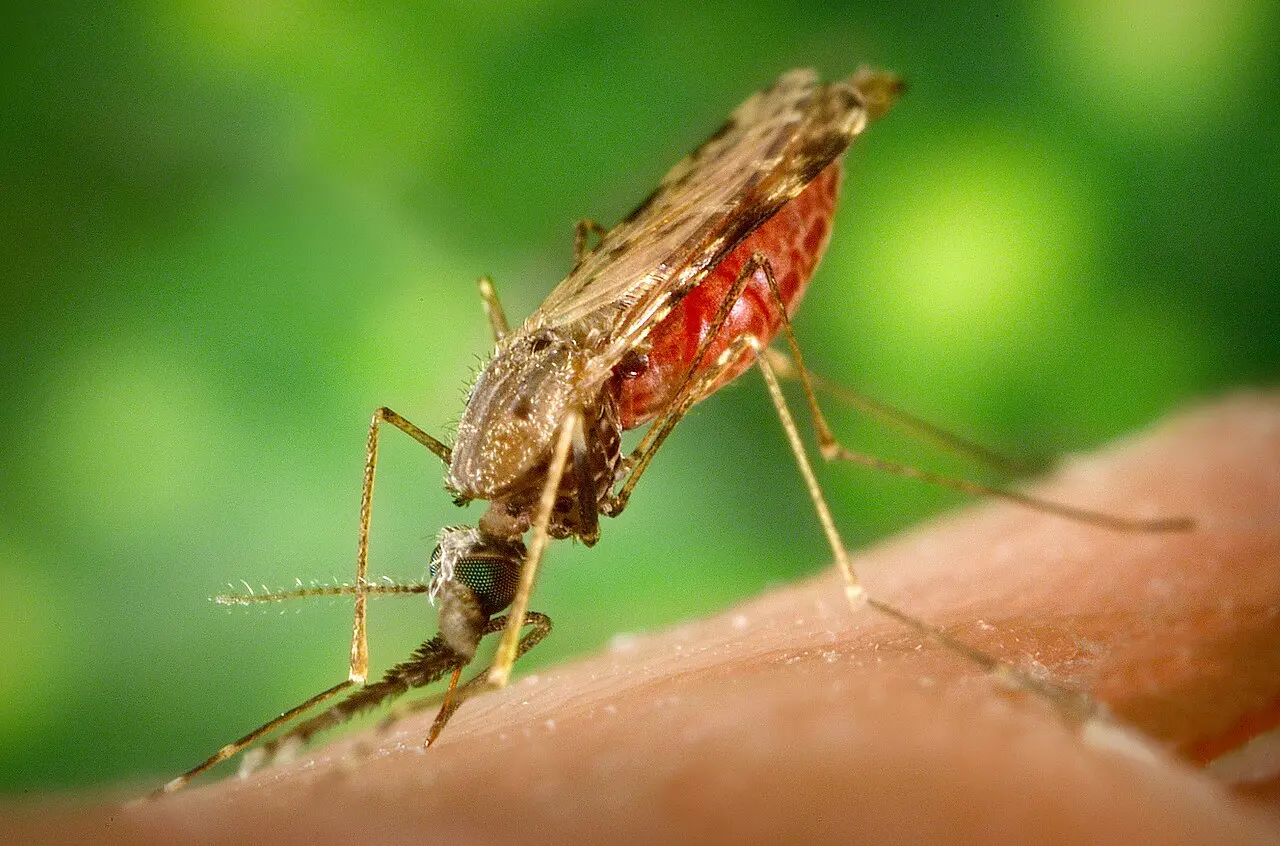
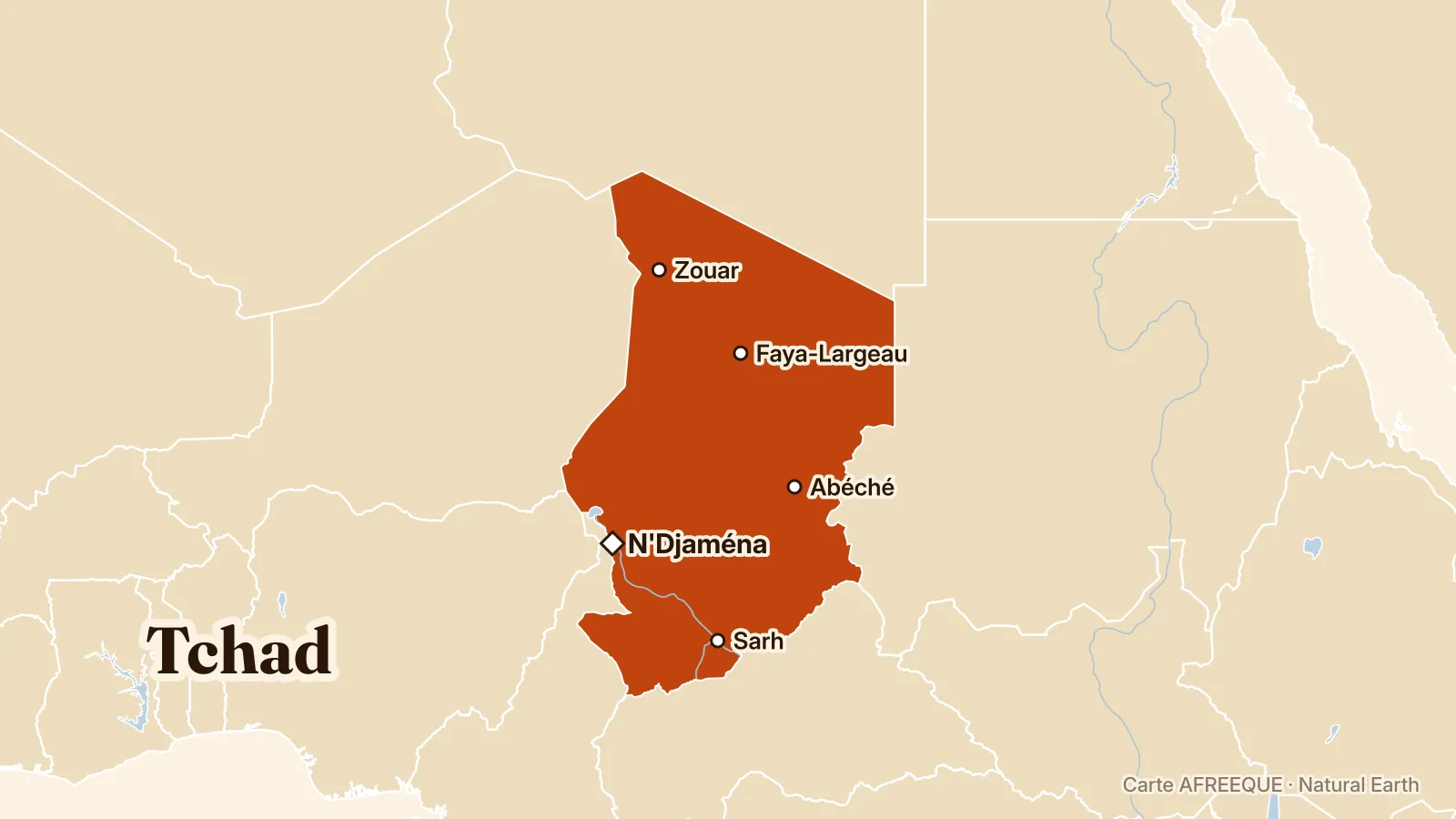
In N’Djamena, poorly sloped drains retain wastewater and encourage mosquito breeding, according to Alwihdainfo. The article links this stagnation to a major malaria-related health crisis, but provides neither case figures nor a timeline for any potential sanitation works.
In N’Djamena, poorly sloped drains allow wastewater to stagnate, where it mixes with rubbish and creates mosquito breeding grounds. This situation increases the risk of malaria in working-class neighbourhoods of the Chadian capital, according to a report by Temandang Gontran.
These channels can drain rainfall during heavy downpours, but a significant amount of water remains in them permanently, forming foul-smelling black pools. This stagnation encourages the breeding of mosquitoes, which transmit malaria, according to the same report.