





















South African schools face overcrowding and unsafe buildings
By the AFREEQUE newsroom, based on Daily Maverick and TimesLIVE
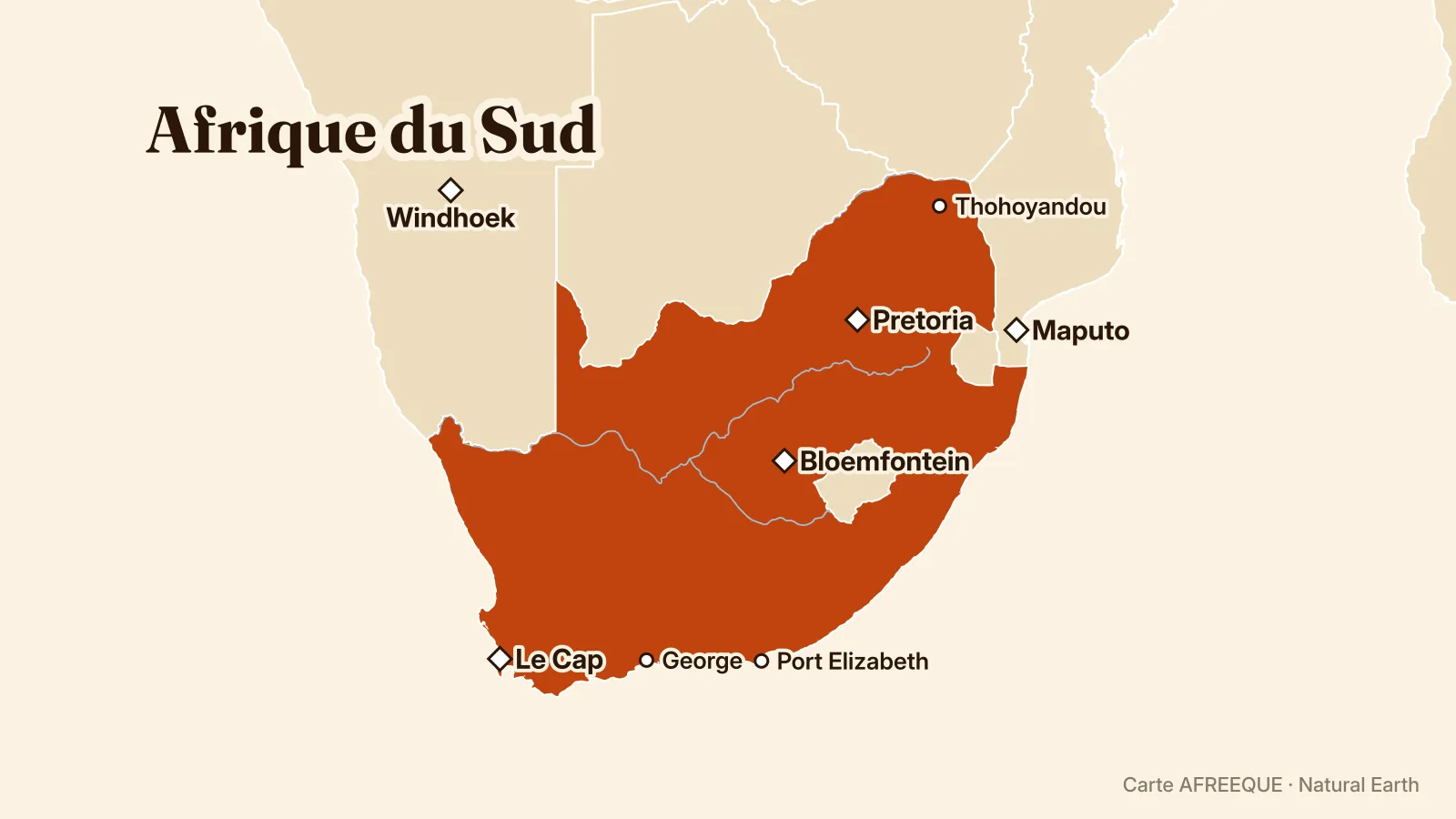
The South African Human Rights Commission publishes a report on the state of schools, identifying unsafe buildings, severe overcrowding and inadequate sanitation. Based on observations at 173 public schools across the nine provinces, the report finds that the same problems persist from one monitoring cycle to the next, according to the commission.
The South African Human Rights Commission (SAHRC) has identified shortcomings in school infrastructure, overcrowded classrooms and problems with access to water and electricity across the country’s nine provinces. These findings feature in its 2026 report on the state of South African schools, presented on Monday 23 November following an investigation at 173 public institutions.
At a school in Limpopo, 101 Grade 8 learners attend lessons in a single classroom. At a primary school in the Eastern Cape, only two of the 30 toilets are usable. In Gqeberha, pupils have been studying without electricity since 2022. The commission believes these recurring difficulties reflect shortcomings in the planning, funding and management of school construction works.
The inspections also identified health and structural risks. At Isiqalo Primary School in Gauteng and Attie Van Wyk Primary School in the Western Cape, Grade 1 and Grade 2 pupils are still attending buildings containing asbestos. At Jansenville Primary School in the Eastern Cape, lessons are continuing in a building declared unsafe by infrastructure inspectors. In Limpopo, Masiza High School is also among the institutions facing building safety problems.
In the report’s foreword, SAHRC Commissioner Tshepo Madlingozi says socioeconomic conditions and place of residence continue to affect children’s opportunities to succeed at school. He recalls that access to basic education is guaranteed under Article 29(1)(a) of the South African Constitution.